1912 Peg Leg Sam*
1914 Pee Wee Crayton*
1917 Eddie „Cleanhead“ Vinson*
1933 Lonnie Brooks*
1938 Bryan James "Chas" Chandler*
1941 Sam Andrew*
1943 Keith Richards*
1947 Rod Piazza*
1967 Oliver Röhrscheid*
Happy Birthday
Eddie „Cleanhead“ Vinson *18.12.1917
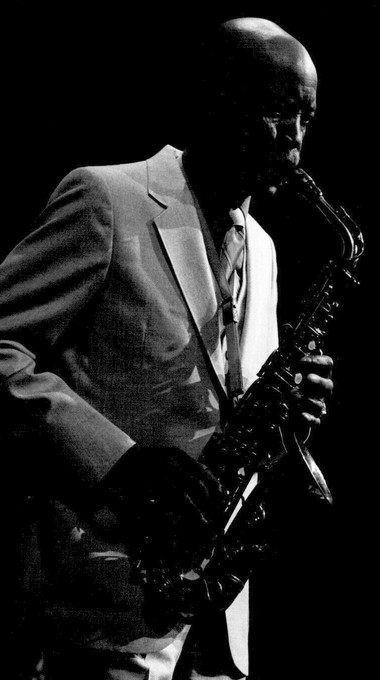 Eddie „Cleanhead“ Vinson (* 18. Dezember 1917 in Houston, Texas; † 2. Juli 1988 in Los Angeles) war ein US-amerikanischer Jazz- und Rhythm and Blues-Saxophonist, der auch als Blues-Sänger hervorgetreten ist.
Vinsons Eltern, beide Pianisten, brachten ihn früh mit Musik in Berührung. Bereits an der Highschool begann er Saxophon zu spielen. Er wurde 1935 Mitglied der Band von Chester Boone, der zu dieser Zeit auch T-Bone Walker angehörte. Von 1936 bis 1941 spielte er gemeinsam mit den Saxophonisten Arnett Cobb und Illinois Jacquet in der Band von Milt Larkin.
1941 ging er nach New York City und wurde Blues Shouter im Cootie Williams Orchestra, wo er Klassiker wie „Cherry Red“ einspielte. 1945 gründete er seine eigene Band, der auch der damals noch unbekannte John Coltrane angehörte. Hier entstanden einige seiner besten Stücke, u. a. „Kidney Stew“ und der legendäre „Cleanhead Blues“.
Kurzzeitig spielte er in der Band von Count Basie, und in den 1960er Jahren arbeitete er in der Johnny Otis Show. In den 1970er und 1980er Jahren hatte er mit seinem charakteristischen Mischstil aus Jazz und Blues vor allem in Europa Erfolg, er spielte allerdings auch in den USA ein Album mit der Gruppe Roomful of Blues und ein Live-Album mit Arnett Cobb und Alan Dawson ein.
Eddie "Cleanhead" Vinson (December 18, 1917 – July 2, 1988) was an American jump blues, jazz, bebop and R&B alto saxophonist and blues shouter.[1] He was nicknamed Cleanhead after an incident in which his hair was accidentally destroyed by lye contained in a hair straightening product.[2]
Biography
Vinson was born in Houston, Texas. He was a member of the horn section in Milton Larkin's orchestra, which he joined in the late 1930s. At various times, he sat next to Arnett Cobb, Illinois Jacquet, and Tom Archia, while other members of the band included Cedric Haywood and Wild Bill Davis. After exiting Larkin's employment in 1941, Vinson picked up a few vocal tricks while on tour with bluesman Big Bill Broonzy. He then moved to New York and joined the Cootie Williams Orchestra from 1942 to 1945, recording such tunes as "Cherry Red". Vinson struck out on his own in 1945, forming his own large band, signing with Mercury Records, and enjoying a double-sided hit in 1947 with his R&B chart-topper "Old Maid Boogie", and the song that would prove to be his signature number, "Kidney Stew Blues".[3]
Vinson's jazz leanings were probably heightened during 1952-1953, when his band included a young John Coltrane. In the late 1960s, touring in a strict jazz capacity with Jay McShann, Vinson's career took an upswing. In the early 1960s Vinson moved to Los Angeles and began working with the Johnny Otis Revue. A 1970 appearance at the Monterey Jazz Festival with Otis spurred a bit of a comeback for Vinson. Throughout the 1970s he worked high-profile blues and jazz sessions for Count Basie, Otis, Roomful of Blues, Arnett Cobb, and Buddy Tate. He also composed steadily, including "Tune Up" and "Four", both of which have been incorrectly attributed to Miles Davis.[4] Vinson recorded extensively during his fifty-odd year career and performed regularly in Europe and the U.S.
Keith Richards *18.12.1943

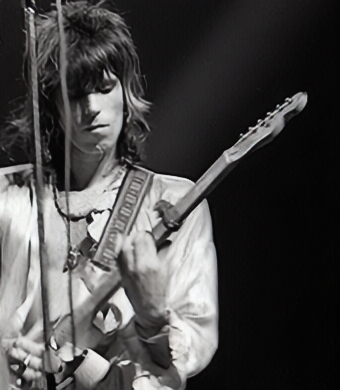 Keith Richards (* 18. Dezember 1943 in Dartford, Grafschaft Kent, England) ist ein britischer Gitarrist und Songwriter, gelegentlich auch Sänger. Berühmtheit erlangte er als Rhythmus- und Lead-Gitarrist der Rolling Stones, für die er gemeinsam mit Mick Jagger auch den Großteil der Lieder schreibt. Viele Jahre lang nannte er sich Keith Richard.
Kindheit und Jugend
Richards wuchs als Einzelkind in Dartford, Grafschaft Kent auf. Sein Vater war Bert Richards, seine Mutter Doris Maud Lydia Richards, geborene Dupree. Als Kind sang er in einem Knabenchor, der vor Königin Elisabeth II. das Oratorium „Der Messias“ von Georg Friedrich Händel aufführte. Seit seine Mutter ihm eine Gitarre gekauft hatte, ließ ihn das Gitarrespielen nicht mehr los. Sein Großvater Theodore Dupree hatte in den 1930er Jahren in Tanzkapellen gespielt und brachte ihm das Gitarrespiel bei, unter anderem anhand klassischer spanischer Gitarrenmusik.[1]:66 ff. Als Schuljunge begegnete er Mick Jagger zum ersten Mal, verlor ihn dann aber vorübergehend aus den Augen.

Im Dezember 1962 ergänzte der Bassist Bill Wyman die Band. Als Anfang 1963 schließlich der Schlagzeuger Charlie Watts einstieg, waren die Rolling Stones in ihrer ersten Zusammensetzung komplett.
Rolling Stones
Von Anfang an trug Richards als Gitarrist maßgeblich zum Klang der Gruppe bei. Er sorgte mit Watts und Wyman für die rhythmische Grundlage, auf der sich Jones und Jagger präsentieren konnten. Nachdem zunächst Brian Jones Chef der Rolling Stones gewesen war, bildeten ab 1964 mehr und mehr Richards und Jagger das Zentrum der Band. Manager Andrew Loog Oldham ermutigte die beiden, eigene Lieder für die Band zu schreiben, die zuvor hauptsächlich Werke anderer Musiker gecovert hatte. Richards hat hunderte von Liedern geschrieben; das Komponisten-Duo Jagger-Richards gehört mit Lennon/McCartney von den Beatles und Page & Plant von Led Zeppelin zu den erfolgreichsten Songwritern in der Geschichte der Rock-Musik. Im Mai 1965 fiel Richards auf einer Tournee in einem Hotel in Clearwater, Florida, nachts ein Riff ein, den er mit Mick Jagger zum Rolling-Stones-Klassiker (I Can’t Get No) Satisfaction machte. Durch seine Freundschaft mit dem Musiker Gram Parsons (Byrds, Flying Burrito Brothers) konnte Keith Richards seine Kenntnisse der Country-Musik vertiefen, was sich auf den Stones-Alben seit 1970 deutlich bemerkbar machte.
 Im Laufe der Jahre brachte sich Richards zunehmend auch als Sänger ein, nachdem er bereits regelmäßig beim Begleitgesang mitgewirkt hatte. Auf dem Album December’s Children (And Everybody’s) (1965) ist Keith Richards erstmals mit einem Solopart bei The Singer Not the Song zu hören, ebenso 1967 auf der LP Between the Buttons bei Something Happened to Me Yesterday. Schließlich sang er auf der LP Let It Bleed (1969) erstmals Leadstimme in You Got the Silver. Auf dem Album Exile on Main St. (1972), aufgenommen in Richards’ Villa Nellcote in Villefranche-sur-Mer an der Côte d’Azur, in der sich die Rolling Stones niedergelassen hatten, nachdem sie 1971 aus steuerlichen Gründen England verlassen hatten, ist Happy mit Richards als Sänger enthalten. Auch auf dem Album Goats Head Soup (1973) singt er solo: Coming down again. Ab dem Album Some Girls (1978) wurde es zur Gewohnheit, dass sich auf den Stones-Alben stets auch mindestens ein Lied mit Keith Richards als Lead-Sänger befindet.
Nach dem Ausstieg von Gitarrist Mick Taylor im Jahr 1974 (Ersatzmann für Brian Jones seit 1969) wählten die Rolling Stones Ron Wood als dessen Nachfolger, der bei der US-Tournee 1975 als Gast mitspielte und schließlich 1976 festes Bandmitglied wurde. Wood verkörpert zusammen mit Richards das Bild des typischen Rock ’n’ Rollers.
Mitte der 1980er Jahre drohten die Rolling Stones zu zerbrechen, da Mick Jagger Solo-Projekte anging und wenig Lust verspürte, mit den Stones zu arbeiten, geschweige denn auf Tour zu gehen. Das Verhältnis der Glimmer Twins war mehr als angespannt. Eine Reaktion Richards’ darauf war die Zusammenstellung der Band X-Pensive Winos. Er nahm mit ihr 1988 sein erstes Soloalbum Talk Is Cheap auf und ging auf Tournee. Der große Erfolg wollte sich weder bei Jagger noch bei Richards einstellen. Nach einer heftigen Auseinandersetzung versöhnten sie sich, schrieben auf Barbados gemeinsam Lieder für das 1989 veröffentlichte Album Steel Wheels und absolvierten mit den Rolling Stones 1989/90 die bis dahin größte Tournee der Rockgeschichte.
Keith Richards (born 18 December 1943) is an English musician, singer and songwriter, and one of the original members of the English rock band the Rolling Stones. Rolling Stone magazine credited Richards for "rock's greatest single body of riffs" on guitar and ranked him 4th on its list of 100 best guitarists.[1] Fourteen songs Richards wrote with the Rolling Stones' lead vocalist Mick Jagger are listed among Rolling Stone magazine's "500 Greatest Songs of All Time".
Early life
Keith Richards is the only child of Bertrand Richards and Doris Richards (née Dupree). He was born at Livingston Hospital in Dartford, Kent. His father was a factory worker who was injured in World War II during the Normandy invasion.[citation needed]
Richards' paternal grandparents were Socialists and civic leaders; his great-grandfather's family originated from Wales.[4][5][6] His maternal grandfather, Augustus Theodore Dupree, who toured Britain with a jazz big band, "Gus Dupree and his Boys", fostered Richards' interest in guitar.[7]
Richards' mother bought him his first guitar and he played at home, listening to recordings by Billie Holiday, Louis Armstrong, Duke Ellington and others.[8] His father, on the other hand, disparaged his son's musical enthusiasm.[9] One of Richards' first guitar heroes was Scotty Moore.[10]
Richards attended Wentworth Primary School with Mick Jagger and was his neighbour until 1954, when the family moved.[11] From 1955 to 1959 he attended Dartford Technical High School for Boys.[11][12] Recruited by Dartford Tech's choirmaster, R. W. "Jake" Clare, Richards sang in a trio of boy sopranos at, among other occasions, Westminster Abbey for Queen Elizabeth II.[13]
In 1959 Richards was expelled from Dartford Tech for truancy, and transferred to Sidcup Art College.[14] At Sidcup he was diverted from his studies proper and devoted more time to playing guitar with other students in the boys' room. At this point Richards had learned most of Chuck Berry's solos.[15]
Richards met Jagger on a train as Jagger was heading for classes at the London School of Economics.[16] The mail-order rhythm & blues albums from Chess Records by Chuck Berry and Muddy Waters that Jagger was carrying revealed a mutual interest and led to a renewal of their friendship. Along with mutual friend Dick Taylor, Jagger was singing in an amateur band: "Little Boy Blue and the Blue Boys", which Richards soon joined. The Blues Boys folded when Brian Jones, after sharing thoughts on their joint interest in the blues music, invited Mick and Keith to the Bricklayers Arms pub, where they then met Ian Stewart.[17][18]
In mid-1962 Richards had left Sidcup Art College to devote himself to music and moved into a London flat with Jagger and Jones. His parents divorced about the same time, resulting in his staying close to his mother and remaining estranged from his father until 1982.[citation needed]
After the Rolling Stones signed to Decca Records in 1963 their band manager, Andrew Loog Oldham, dropped the s from Richards' surname believing "Keith Richard" in his words "looked more pop".[19] In the early 1970s Richards re-established the s in his surname.
read more: http://en.wikipedia.org/wiki/Keith_Richards
Lonnie Brooks *18.12.1933

Lonnie Brooks (* 18. Dezember 1933 in Dubuisson, Louisiana), eigentlich Lee Baker, Jr., ist ein US-amerikanischer Blues-Gitarrist.
Ursprünglich wollte Brooks Banjo spielen wie sein Großvater, kam jedoch bald zur Gitarre, auf der er Rock'n'Roll, Country und R&B spielte. Clifton Chenier verpflichtete ihn für die "Red Hot Louisiana Band".
In der zweiten Hälfte der 1950er nahm Brooks als Guitar Junior eine Reihe von Rock'n'Roll-Hits auf. Er war mit Sam Cooke auf Tour und blieb 1960 in Chicago hängen. Dort gab es bereits einen Guitar Junior, daher änderte er seinen Künstlernamen in Lonnie Brooks.
Brooks schloss sich der Band von Jimmy Reed an und nahm auch eigene Singles auf. 1969 erschien sein erstes Album Broke And Hungry, wieder unter dem Namen Guitar Junior, den er danach endgültig ablegte. Er entwickelte einen eigenen Stil, der als "Voodoo Blues" bezeichnet wurde.
1978 kam eine Blues-Anthologie heraus, Living Chicago Blues, die vier Stücke von Brooks enthielt und ihm zu einem Plattenvertrag verhalf. Es folgten etliche erfolgreiche Alben.
Lonnie Brooks ist auch bekannt für seine energiegeladenen Liveauftritte. Sein Sohn Ronnie Baker Brooks tritt in die Fußstapfen des Vaters. Zusammen nahmen sie 1991 den Song Like Father, Like Son auf. 2010 wurde Brooks in die Blues Hall of Fame der Blues Foundation aufgenommen.
Sein Sohn Ronnie Baker Brooks ist auch Bluesmusiker (wie auch sein Sohn Wayne Baker Brooks).
Lonnie Brooks (born Lee Baker Jr., December 18, 1933)[1] is an American blues singer and guitarist. He was born in Dubuisson, Louisiana, United States.[1] Rolling Stone stated, "His music is witty, soulful and ferociously energetic, brimming with novel harmonic turnarounds, committed vocals and simply astonishing guitar work."[2] The New York Times added, "He sings in a rowdy baritone, sliding and rasping in songs that celebrate lust, fulfilled and unfulfilled; his guitar solos are pointed and unhurried, with a tone that slices cleanly across the beat. Wearing a cowboy hat, he looks like the embodiment of a good-time bluesman."[3]
Career
He learned to play blues from his banjo-picking grandfather, but did not think about a professional career until he moved to Port Arthur, Texas in the early 1950s. There he heard live performances by Clarence "Gatemouth" Brown, T-Bone Walker, B.B. King, Long John Hunter and others and began to think about making money from his music. One day, while Brooks was strumming his guitar on his front porch in Port Arthur, Clifton Chenier heard him and offered him a job in his touring band.[citation needed]
Embarking on a solo career, he adopted the moniker of Guitar Jr. and signed with Lake Charles's Goldband label. His singles for the label included regional hit "Family Rules", which remains a favorite of the swamp pop idiom in south Louisiana and southeast Texas.[4] Other Goldband singles included "Made In The Shade" and "The Crawl" (later recorded by The Fabulous Thunderbirds).
In 1960, he moved to Chicago, Illinois. Luther Johnson was already using the name 'Guitar Junior' there, so he adopted the alternative stage name, Lonnie Brooks.[1] In Chicago, he found regular work in the West Side clubs as well as in Gary and East Chicago, Indiana and occasionally in the Rush Street North Side entertainment area. He cut a series of 45s for a variety of labels, including Chess, Chirrup, Mercury, Midas and USA Records, achieving some local radio airplay. He also supported other artists on record and live, including Jimmy Reed. In 1961 he played guitar on the double album, Jimmy Reed at Carnegie Hall.
In 1969, he recorded his first album, Broke An’ Hungry, for the Capitol label. It was produced by Wayne Shuler, son of Eddie Shuler, who had founded Goldband Records in Louisiana.
In 1974, Brooks participated in a multi-artist tour of Europe, and cut an album entitled Sweet Home Chicago for the French label Black & Blue. When he returned to Chicago, he began playing regularly at Pepper’s Hideout on the Chicago's South Side. There he attracted the attention of Bruce Iglauer, head of the fledgling Alligator Records label, who had previously seen him a number of times at the Avenue Lounge on the city’s West Side.
In 1978, Iglauer included four of Brooks’ songs (including three originals) on an anthology series entitled Living Chicago Blues, released by Alligator Records. He was signed to the label, and the following year, he released his album Bayou Lightning on the Alligator label.[5] The album won the 'Grand Prix du Disque Award' from the 1980 Montreux Jazz Festival. While in Montreux, Brooks befriended country star Roy Clark. Clark was impressed with Brooks, and he arranged for an appearance on the country music television program Hee Haw.
Since that time, Brooks has recorded exclusively for the Alligator, releasing seven albums as well as shared recordings and compilation appearances. Brooks' style, sometimes described as "voodoo blues", includes elements of Chicago blues, Louisiana blues, swamp pop and rhythm and blues. Other labels have issued pre-1978 recordings by Brooks as well as compilations of Brooks' singles.
Following the release of Bayou Lightning, Brooks began touring nationwide as well as returning to Europe. A 1982 trip to Germany resulted in an hour-long Brooks live performance on German television. His 1983 follow-up album was Hot Shot. 1986's Wound Up Tight featured a guest appearance by Brooks' most famous fan, Johnny Winter, on guitar. Rolling Stone took notice of the album, running a six-page feature on Brooks. And in 1987, BBC Radio broadcast an hour-long live performance.
By this time, Brooks' teenage son, Ronnie Baker Brooks, was touring with the band. He made his recording debut on his father's Live From Chicago—Bayou Lightning Strikes. Brooks’ 1991 release, Satisfaction Guaranteed, received major media coverage, including features and articles in The Washington Post, The Village Voice, Chicago Tribune, Los Angeles Times, Guitar World, Living Blues, Blues Revue, and many other publications.
Brooks spent the summer of 1993 on a national concert tour with B.B. King, Buddy Guy, Koko Taylor, Junior Wells and Eric Johnson. During the Chicago stop of his 1995 “From The Cradle” club tour, Eric Clapton honored Brooks by inviting the bluesman on stage for an impromptu jam at Buddy Guy's Legends club.
In 1996, Brooks released Roadhouse Rules. The album was produced in Memphis by Jim Gaines, who also produced Luther Allison, Stevie Ray Vaughan and Santana, and his son Ronnie Baker Brooks appeared again. In 1999, along with fellow Gulf Coast blues veterans Long John Hunter and Phillip Walker (both of whom he had known and played with in the 1950s in Port Arthur), Brooks released Lone Star Shootout.[6]
Brooks continues to tour in the U.S. and Europe. His sons, Ronnie Baker Brooks and Wayne Baker Brooks, are also full-time blues entertainers, fronting their own bands and touring extensively in the U.S. and abroad. Wayne Baker Brooks continues to play in his father's band as well. The Brooks' are frequent guest performers at each other's shows and have booked appearances as 'The Brooks Family'.
Besides his live and recorded performances, Brooks appeared in the films Blues Brothers 2000 and The Express and in two UK television commercials for Heineken beer. His song "Eyeballin'" was heard in Forever LuLu, and "Got Lucky Last Night" featuring Johnny Winter appeared in John Candy's Masters of Menace. He also co-authored the book Blues for Dummies, along with son Wayne Baker Brooks and music historian, guitarist, and songwriter, Cub Koda.
Brooks is a chief influence on Soul artist Reggie Sears.
Career
He learned to play blues from his banjo-picking grandfather, but did not think about a professional career until he moved to Port Arthur, Texas in the early 1950s. There he heard live performances by Clarence "Gatemouth" Brown, T-Bone Walker, B.B. King, Long John Hunter and others and began to think about making money from his music. One day, while Brooks was strumming his guitar on his front porch in Port Arthur, Clifton Chenier heard him and offered him a job in his touring band.[citation needed]
Embarking on a solo career, he adopted the moniker of Guitar Jr. and signed with Lake Charles's Goldband label. His singles for the label included regional hit "Family Rules", which remains a favorite of the swamp pop idiom in south Louisiana and southeast Texas.[4] Other Goldband singles included "Made In The Shade" and "The Crawl" (later recorded by The Fabulous Thunderbirds).
In 1960, he moved to Chicago, Illinois. Luther Johnson was already using the name 'Guitar Junior' there, so he adopted the alternative stage name, Lonnie Brooks.[1] In Chicago, he found regular work in the West Side clubs as well as in Gary and East Chicago, Indiana and occasionally in the Rush Street North Side entertainment area. He cut a series of 45s for a variety of labels, including Chess, Chirrup, Mercury, Midas and USA Records, achieving some local radio airplay. He also supported other artists on record and live, including Jimmy Reed. In 1961 he played guitar on the double album, Jimmy Reed at Carnegie Hall.
In 1969, he recorded his first album, Broke An’ Hungry, for the Capitol label. It was produced by Wayne Shuler, son of Eddie Shuler, who had founded Goldband Records in Louisiana.
In 1974, Brooks participated in a multi-artist tour of Europe, and cut an album entitled Sweet Home Chicago for the French label Black & Blue. When he returned to Chicago, he began playing regularly at Pepper’s Hideout on the Chicago's South Side. There he attracted the attention of Bruce Iglauer, head of the fledgling Alligator Records label, who had previously seen him a number of times at the Avenue Lounge on the city’s West Side.
In 1978, Iglauer included four of Brooks’ songs (including three originals) on an anthology series entitled Living Chicago Blues, released by Alligator Records. He was signed to the label, and the following year, he released his album Bayou Lightning on the Alligator label.[5] The album won the 'Grand Prix du Disque Award' from the 1980 Montreux Jazz Festival. While in Montreux, Brooks befriended country star Roy Clark. Clark was impressed with Brooks, and he arranged for an appearance on the country music television program Hee Haw.
Since that time, Brooks has recorded exclusively for the Alligator, releasing seven albums as well as shared recordings and compilation appearances. Brooks' style, sometimes described as "voodoo blues", includes elements of Chicago blues, Louisiana blues, swamp pop and rhythm and blues. Other labels have issued pre-1978 recordings by Brooks as well as compilations of Brooks' singles.
Following the release of Bayou Lightning, Brooks began touring nationwide as well as returning to Europe. A 1982 trip to Germany resulted in an hour-long Brooks live performance on German television. His 1983 follow-up album was Hot Shot. 1986's Wound Up Tight featured a guest appearance by Brooks' most famous fan, Johnny Winter, on guitar. Rolling Stone took notice of the album, running a six-page feature on Brooks. And in 1987, BBC Radio broadcast an hour-long live performance.
By this time, Brooks' teenage son, Ronnie Baker Brooks, was touring with the band. He made his recording debut on his father's Live From Chicago—Bayou Lightning Strikes. Brooks’ 1991 release, Satisfaction Guaranteed, received major media coverage, including features and articles in The Washington Post, The Village Voice, Chicago Tribune, Los Angeles Times, Guitar World, Living Blues, Blues Revue, and many other publications.
Brooks spent the summer of 1993 on a national concert tour with B.B. King, Buddy Guy, Koko Taylor, Junior Wells and Eric Johnson. During the Chicago stop of his 1995 “From The Cradle” club tour, Eric Clapton honored Brooks by inviting the bluesman on stage for an impromptu jam at Buddy Guy's Legends club.
In 1996, Brooks released Roadhouse Rules. The album was produced in Memphis by Jim Gaines, who also produced Luther Allison, Stevie Ray Vaughan and Santana, and his son Ronnie Baker Brooks appeared again. In 1999, along with fellow Gulf Coast blues veterans Long John Hunter and Phillip Walker (both of whom he had known and played with in the 1950s in Port Arthur), Brooks released Lone Star Shootout.[6]
Brooks continues to tour in the U.S. and Europe. His sons, Ronnie Baker Brooks and Wayne Baker Brooks, are also full-time blues entertainers, fronting their own bands and touring extensively in the U.S. and abroad. Wayne Baker Brooks continues to play in his father's band as well. The Brooks' are frequent guest performers at each other's shows and have booked appearances as 'The Brooks Family'.
Besides his live and recorded performances, Brooks appeared in the films Blues Brothers 2000 and The Express and in two UK television commercials for Heineken beer. His song "Eyeballin'" was heard in Forever LuLu, and "Got Lucky Last Night" featuring Johnny Winter appeared in John Candy's Masters of Menace. He also co-authored the book Blues for Dummies, along with son Wayne Baker Brooks and music historian, guitarist, and songwriter, Cub Koda.
Brooks is a chief influence on Soul artist Reggie Sears.
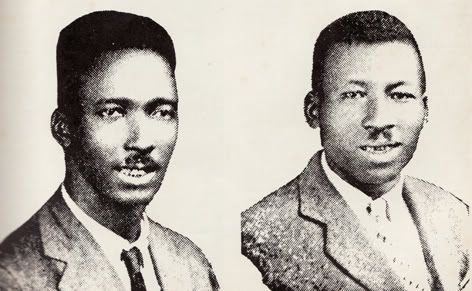
Pee Wee Crayton *18.12.1914

Pee Wee Crayton (eigentlich Connie Curtis Crayton; * 18. Dezember 1914 in Rockdale, Texas; † 25. Juni 1985 in Los Angeles, Kalifornien) war ein US-amerikanischer Blues-Sänger und Gitarrist.
Beeinflusst von T-Bone Walker schuf Crayton Hits wie Texas Hop, Pee Wee's Boogie und Poppa Stoppa. Seinen Spitznamen "Pee Wee" hatte er angeblich von keinem Geringeren als Roy Brown bekommen.
Biografie
Crayton, geboren in Rockdale (Texas), wuchs in Austin auf. In der Schulband spielte er Ukulele und Trompete. 1935 zog er von Texas nach San Francisco; später lebte er in Los Angeles. Erst ab 1944 spielte er verstärkt Gitarre, nachdem er einen Auftritt von T-Bone Walker gesehen hatte. Die beiden befreundeten sich, und T-Bone brachte Crayton die wichtigsten Kniffe auf der Gitarre bei. Schnell entwickelte er seinen eigenen unverkennbaren Stil. Aggressives Gitarrenspiel mit einer sanften Stimme wurde sein Markenzeichen und später oft kopiert.
Crayton gründete ein Trio und verdiente fortan seinen Lebensunterhalt als Musiker. Daneben spielte er in der Band von Ivory Joe Hunter, an dessen Aufnahmen er 1946 mitwirkte. 1947 entstanden Craytons erste Aufnahmen unter eigenem Namen; er unterschrieb einen Plattenvertrag bei Modern Records und hatte 1948 mit „Blues After Hours“ einen Nummer-1-Hit in den R&B-Charts. Er nahm dann bei einigen Plattenfirmen auf, u.a. bei Imperial in New Orleans, Jamie in Philadelphia und Vee-Jay Records in Chicago. Es wird berichtet, dass er der erste Blues-Gitarrist war, der eine Fender Stratocaster spielte, die ihm von Leo Fender persönlich übergeben wurde.
In den 1960er Jahren verschwand er beinahe ganz von der Bildfläche; erst 1971 veröffentlichte er bei Vanguard das Album Things I Used to Do. Danach ging es wieder etwas bergauf mit seiner Karriere. Er tourte und nahm noch einige Alben auf, bevor er 1985 einem Herzanfall erlag. Er starb in seinem Haus in Topanga nahe Los Angeles. Er liegt auf dem Inglewood Park Friedhof begraben.
Im Laufe seiner langen Karriere trat Crayton US-weit u.a. mit Big Joe Turner, Lowell Fulson, T-Bone Walker, Ray Charles, Big Maybelle und Dinah Washington auf.
Connie Curtis Crayton (December 18, 1914 – June 25, 1985),[1] known as Pee Wee Crayton, was an American R&B and blues guitarist and singer.
Career
Born in Rockdale, Texas, United States,[2] Crayton began playing guitar seriously after moving to California in 1935, later settling in San Francisco.[3] While there he absorbed the music of T-Bone Walker, but developed his own unique approach. His aggressive playing contrasted with his smooth vocal style, and was copied by many later blues guitarists.
In 1948 he signed a recording contract with Modern Records.[3] One of his first recordings was the instrumental, "Blues After Hours", which reached #1 in the Billboard R&B chart late that year.[3] Its B-side, the pop ballad "I'm Still in Love With You", and the quicker "Texas Hop", are good examples of his work.[4]
He went on to record for many other record labels in the 1950s including Imperial in New Orleans, Louisiana, Vee-Jay in Chicago and Jamie in Philadelphia. It is thought he was the first blues guitarist to use a Fender Stratocaster, given to him by Leo Fender. His album Things I Used To Do was released by Vanguard Records in 1971. He continued to tour and record in the following years.[3]
A longtime resident of Los Angeles, California, Crayton died there of a heart attack in 1985,[1] and was interred in the Inglewood Park Cemetery.
Pee Wee Crayton & his Guitar Blues After Hours (1948)
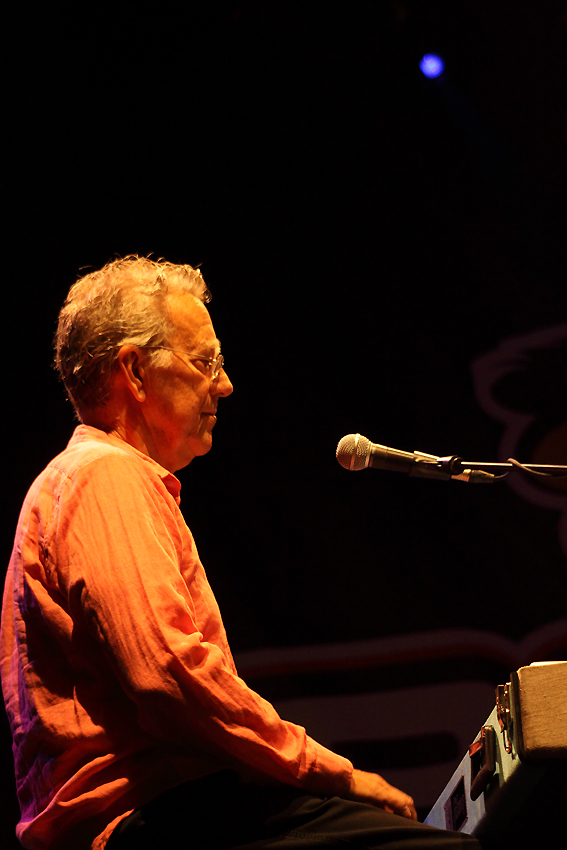
Rod Piazza *18.12.1947
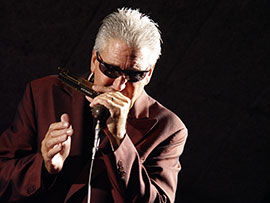
 Rod Piazza (* 18. Dezember 1947, Riverside, Kalifornien) ist ein US-amerikanischer Bluesmundharmonikaspieler.
Leben
Ersten Kontakt mit dem Blues bekam er bereits im Alter von sieben Jahren, als er die Aufnahmen hörte, die seine um 10 Jahre bzw 12 Jahre älteren Brüder mit nach Hause brachten (Jimmy Reed, Big Joe Turner....). Sein erstes Musikinstrument war eine 4 $-Gitarre, die ihm seine Mutter kaufte. 1963 erhielt er seine erste Mundharmonika, mit der er Nummern von Slim Harpo, Buster Brown und Jimmy Reed, die er im Radio hörte, nachspielte.
Um 1965 spielte er in seiner ersten Band, „The Mystics“, ursprünglich war er als Gitarrist vorgesehen, aber bei den ersten Proben stellte sich heraus, dass es andere gab, die die Gitarre besser spielten. So wurde er als Mundharmonikaspieler und Sänger Bandmitglied. Die Gruppe spielte auf Partys und ging später nach Los Angeles, wo sie in der lokalen Klubszene auftraten. Dort wurden sie entdeckt und bei ABC Bluesway unter Vertrag genommen. Sie nannten sich jetzt „The Dirty Blues Band“. Unglücklicherweise wurden einige Bandmitglieder nach Vietnam eingezogen, und die Band löste sich auf.
Mit seiner neuen Band Bacon Fat machte er die Bekanntschaft von George „Harmonica“ Smith. Bacon Fat nahm 2 LP auf. Von 1974 an arbeitete er solo, danach gründete er die Chicago Flying Saucer Band, aus denen die Mighty Flyers hervorgingen. Eines der Gründungsmitglieder war Debra „Honey“ Solum, die er einige Jahre später heiratete. Mit den Mighty Flyers ist er auch heute noch unterwegs.
Rod Piazza (born December 18, 1947,[1] Riverside, California) is an American blues harmonica player and singer. He has been playing with his band The Mighty Flyers since 1980 which he formed with his pianist wife Honey Piazza.[2] Their boogie sound combines the styles of jump blues, West Coast blues and Chicago blues.
Biography
Piazza grew up in Southern California, where he studied blues records and perfected his harmonica work. He originally started on guitar, an instrument he began playing at the age of six or seven.[3]
In the mid 1960s, Piazza formed his first band The House of DBS, which later changed its name to the Dirty Blues Band. The band signed with ABC-Bluesway and released two albums in 1967 and 1968.[1] The band broke up in 1968, and Piazza formed Bacon Fat that year.[4] Piazza's idol and mentor, George "Harmonica" Smith joined the band and they had a "dual harp" sound. Bacon Fat released two albums the following two years. Piazza left and worked in other bands before going solo in 1974.
He formed the Chicago Flying Saucer Band the following year, which later evolved into the Mighty Flyers. The band recorded their first album in 1980. Piazza started touring and recording as Rod Piazza and the Mighty Flyers Blues Quartet, after the departure of long-time bassist Bill Stuve in the early 2000s. Piazza has recorded twenty-four studio albums between 1967 and 2009, including the live concert DVD Big Blues Party in 2005 (recorded at the Sierra Nevada Brewing Company in Chico, California). In addition, he has appeared as a guest performer on over twenty-one releases since 1968.[5] Between 1995 and 2001, Rick Holmstrom played in the Mighty Flyers.[6]
Piazza has toured blues clubs, concert venues and festivals in the US, Canada, United Kingdom, Germany, Japan and Spain, among other countries. He and his wife currently live in Riverside, California.
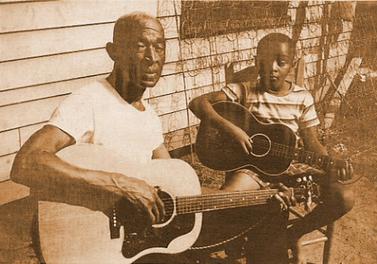
Peg Leg Sam *18.12.1912
 Peg Leg Sam (December 18, 1911 – October 27, 1977)[1] was an American country blues harmonicist, singer and comedian.[2] He recorded "Fox Chase" and "John Henry", and worked in medicine shows.[1] He gained his nickname following an accident whilst hoboing in 1930.[3]
 He died in Jonesville in October 1977, at the age of 65.[1]
Documentary
A biography of Peg Leg Sam, Born for Hard Luck was released by Tom Davenport in 1976. An excerpt of the documentary appears in the French film, Le Fabuleux Destin d'Amélie Poulain.
Peg Leg Sam
Sam Andrew *18.12.1941

Sam Houston Andrew III (December 18, 1941 – February 12, 2015) was an American musician, singer, songwriter, composer, artist and founding member and guitarist of Big Brother and the Holding Company.[2][3][4][1] During his career as musician and composer, Andrew had three platinum albums and two hit singles. His songs have been used in numerous major motion picture soundtracks and documentaries.
Music career
Andrew was born in Taft, California.[1] As the son of a military father, Andrew moved a great deal as a child. He developed a skill for music at a very early age. By the time he was fifteen living in Okinawa, he already had his own band, called the "Cool Notes", and his own weekly TV show, an Okinawan version of American Bandstand. His early influences were Chuck Berry, Bo Diddley and Little Richard. He also listened to a great deal of Delta blues. His brother Leland Andrew frequently stated his brother was the "Benny Goodman of Japan".
Shortly after he graduated from high school, his father was transferred to Hamilton Air Force Base in northern California. It was during this period that he started attending classes at the University of San Francisco, becoming involved with the San Francisco folk music scene of the early 1960s. However it was not until he returned from a two-year stay in Paris that he met Peter Albin at 1090 Page Street.
As Big Brother and the Holding Company began to gel, Andrew brought many songs into the band. He has been a prolific songwriter all of his life, penning his first tune at the age of six. Of his early compositions, "Call on Me" and "Combination of the Two" have been two of Big Brother’s most enduring classic tracks. Until up until his final illness in early 2015 Andrew continued in his original role as the musical director of the band.
Janis Joplin was recruited by band manager Chet Helms to join Big Brother as lead singer on June 4, 1966. They soon landed a record contract, issuing their first album on Mainstream and their second – a top seller – on Columbia Records.
Andrew and original band mate James Gurley were known for their searing, psychedelic guitar work. In February 1997, Guitar Player magazine listed Andrew's and Gurley's work on "Summertime" as one of the top ten psychedelic solos in music history. On September 11, 2001, Andrew was to be presented with a High Times magazine Life Time Achievement award. That day his flight to New York City was canceled, and instead he received the award the next year.
In December 1968, Andrew and Joplin left Big Brother and the Holding Company to form the Kozmic Blues Band.[1] After about nine months and one album, I Got Dem Ol' Kozmic Blues Again Mama!, Andrew returned to Big Brother.
After Big Brother stopped performing in 1972, he moved to New York City, where he studied harmony and counterpoint at the New School for Social Research and composition at Mannes School of Music. During this period he also scored several films in the US and Canada as well as writing two string quartets and a symphony. He remained in New York City for eight years before returning to San Francisco, where he began playing clarinet and saxophone. Big Brother and the Holding Company reunited in 1987.
During the 1990s, in addition to touring with Big Brother, Andrew was involved with his solo project, The Sam Andrew Band. It toured across North America, and the spoken word quartet Theatre of Light, that besides Andrew, featured The Vagabond Poet, Tony Seldin, keyboardist Tom Constanten and harpist-pianist Elise Piliwale.
Andrew was also Music Director of the musical Love, Janis, based on the life of Janis Joplin, written and directed by Randal Myler and based on the book by Laura Joplin of the same name.
Andrew performed at the 40th Anniversary of Woodstock Concert on August 15, 2009 at Bethel Woods, New York.
Personal life and death
Andrew lived in northern California with his wife Elise Piliwale.[1] He had one daughter, Mari Andrew, from his marriage to Suzanne Thorson. He died in San Rafael, California on February 12, 2015, following complications from open-heart surgery due to a heart attack suffered ten weeks prior.
Big Brother and the Holding Company & Shommy boy - Summertime (Live at 11th In Wires Festival)
Oliver Röhrscheid *18.12.1967

Die Lohmänner haben sich in der Vergangenheit rar gemacht. Als Willi Lohmann aus der Band ausgestiegen ist, hat er eine große Lücke hinterlassen. Diese galt es auszufüllen!
Ausgerechnet ein neuer Frontmann und Shouter musste her. Charisma musste der Mann haben, sein Gesang musste absolut überzeugen. Schließlich bereitet die Band einen gewaltigen Klangteppich mit den Instrumenten; Mischa Schlagzeug, Wolfgang E-Bass, Holger E-Gitarre, Sven E-Piano, sowie Bläsersektion bestehend aus Matthes Saxophon, Uli Trompete und Michael Posaune. – Und die Lohmann Kapelle hat genau so einen Frontmann gefunden!
Charisma hat er, ein großartiger Showtyp ist er und Unterhaltung als Frontmann ist genau sein Ding!
Die Rede ist von Oliver Röhrscheid. Er ist immer in Bewegung, er kann laut genauso wie leise und er reißt das Publikum vom ersten Ton an in seinen Bann.
Die Lohmann Kapelle macht Musik mit Herz und Seele. Das Zusammenspiel ist hochprofessionell. Mit Charme und Witz werden die Titel angesagt. Ein großartiges Spektrum des Repertoires an Titeln aus der Rhythm’n Blues Ära der 50-er und 60-er Jahre. Diese Musik geht direkt in die Beine, Stillsitzen ist eigentlich unmöglich.
Es gab brilliante Gitarrensoli, knallige Bläsersätzen und wirklich aufregenden Gesang; der Bielefelder Jazzclub hatte nicht zu viel versprochen!
Ausgerechnet ein neuer Frontmann und Shouter musste her. Charisma musste der Mann haben, sein Gesang musste absolut überzeugen. Schließlich bereitet die Band einen gewaltigen Klangteppich mit den Instrumenten; Mischa Schlagzeug, Wolfgang E-Bass, Holger E-Gitarre, Sven E-Piano, sowie Bläsersektion bestehend aus Matthes Saxophon, Uli Trompete und Michael Posaune. – Und die Lohmann Kapelle hat genau so einen Frontmann gefunden!
Charisma hat er, ein großartiger Showtyp ist er und Unterhaltung als Frontmann ist genau sein Ding!
Die Rede ist von Oliver Röhrscheid. Er ist immer in Bewegung, er kann laut genauso wie leise und er reißt das Publikum vom ersten Ton an in seinen Bann.
Die Lohmann Kapelle macht Musik mit Herz und Seele. Das Zusammenspiel ist hochprofessionell. Mit Charme und Witz werden die Titel angesagt. Ein großartiges Spektrum des Repertoires an Titeln aus der Rhythm’n Blues Ära der 50-er und 60-er Jahre. Diese Musik geht direkt in die Beine, Stillsitzen ist eigentlich unmöglich.
Es gab brilliante Gitarrensoli, knallige Bläsersätzen und wirklich aufregenden Gesang; der Bielefelder Jazzclub hatte nicht zu viel versprochen!
Kidney Stew / Lohmann Rhythm & Blues Kapelle - JC Bielefeld - 15.11.2013 -
Bryan James "Chas" Chandler *18.12.1938
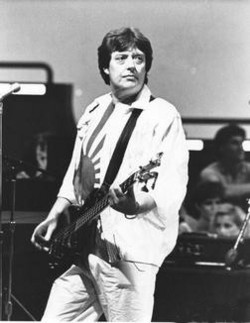
Bryan
James "Chas" Chandler (18 December 1938 – 17 July 1996)[1] was an
English musician, record producer and manager, best known as the
original bassist in the Animals . He was also known as the manager of
Slade and Jimi Hendrix, about whom he was regularly interviewed until
his death in 1996.
Early life
Chandler was born at 35 Second Avenue, Heaton, Newcastle upon Tyne in Northumberland U.K.[citation needed] After leaving school, he worked as a turner in the Tyneside shipyards. Having originally learned to play the guitar, he became the bass player with The Alan Price Trio in 1962.[1]
With the Animals
After Eric Burdon joined them, the Alan Price Trio was renamed the Animals. Chandler's bass lines were rarely given critical attention but some, including the opening riff of the group's 1965 hit "We Gotta Get Out of This Place" subsequently received praise.[2][3] Chandler was also the most prominent of the group's backing vocalists and did occasional songwriting with Burdon. in 1966, despite commercial success, Chandler became disillusioned with the lack of money, recalling that "We toured non-stop for three years, doing 300 gigs a year and we hardly got a penny."[1]
Jimi Hendrix and Slade
After the group split up in late 1966, Chandler turned to becoming a talent scout, artist manager, and record producer. During his final tour with the Animals that year, Chandler saw a then-unknown Jimi Hendrix play in Cafe Wha?, a Greenwich Village, New York City nightclub. Hendrix was at the time using the moniker Jimmy James. In September, Chandler convinced James to go with him to Britain,[3] which was made possible with the help of Michael Jeffery who suggested that he revert to using his actual name, and later suggested naming the band the Jimi Hendrix Experience. In Britain, Chandler recruited bassist Noel Redding and drummer Mitch Mitchell as the other members of the Experience.
Chandler was a key figure in Hendrix's rise to strong critical and commercial success. As part of his association with Hendrix, he provided somewhere for him to stay and financed the The Jimi Hendrix Experience's first single "Hey Joe", before they had a recording contract.[2] He was also instrumental in introducing Hendrix to Eric Clapton. It was through this introduction that Hendrix was given the opportunity to play with Clapton and Cream on stage.[4] It was Chandler's idea for Hendrix to set his guitar on fire, which made national news when this idea was used at a concert at the Finsbury Astoria Theatre and subsequently at the Monterey Pop festival. Hendrix's sound engineer Eddie Kramer later recalled that Chandler was very hands on with the first two Hendrix albums, adding that "he was his mentor and I think it was very necessary."[3]
By 1968, Chandler had become fed up with the recording sessions for Hendrix's album Electric Ladyland, claiming they were self-indulgent and left management services in the hands of Jeffery during the following year.[1] Chandler then went on to manage and produce the British rock band Slade[5] for twelve years, during which time they achieved six number one chart hits in the UK.
Expansion of music industry interests
Chandler bought IBC Studios which he renamed Portland Recording Studios, after the studio address of 35 Portland Place, London and ran it for four years until he sold it to Don Arden. Chandler also ran a series of record labels from the studios including Barn Records[5] and Six of the Best. He formed a music publishing agency, as well as a production company and management companies.[5]
Animals reunions
In 1977, Chandler played and recorded with the Animals during a brief reunion and he joined them again for a further revival in 1983, at which point he sold his business interests, in order to concentrate on being a musician.[5] During the early 1990s, he helped finance the development of Newcastle Arena, a ten-thousand seat sports and entertainment venue that opened in 1995.[2]
Death
Chandler died of an aortic aneurysm at Newcastle General Hospital on 17 July 1996,[6] only days after performing his final solo show. Chandler's former home at 35 Second Avenue, Heaton is remembered with a black plaque placed on the wall by Newcastle City Council, which reads: "Chas Chandler 1938–1996. Founder member of the 'Animals'. Manager of Jimi Hendrix & Slade. Co-founder of Newcastle Arena. Lived in this house 1938–1964."[7]
Family
Chandler had one son Steffan, from his first marriage. He later married Madeleine Stringer, with whom he had a son Ale, also two daughters, Elizabeth and Katherine.
Early life
Chandler was born at 35 Second Avenue, Heaton, Newcastle upon Tyne in Northumberland U.K.[citation needed] After leaving school, he worked as a turner in the Tyneside shipyards. Having originally learned to play the guitar, he became the bass player with The Alan Price Trio in 1962.[1]
With the Animals
After Eric Burdon joined them, the Alan Price Trio was renamed the Animals. Chandler's bass lines were rarely given critical attention but some, including the opening riff of the group's 1965 hit "We Gotta Get Out of This Place" subsequently received praise.[2][3] Chandler was also the most prominent of the group's backing vocalists and did occasional songwriting with Burdon. in 1966, despite commercial success, Chandler became disillusioned with the lack of money, recalling that "We toured non-stop for three years, doing 300 gigs a year and we hardly got a penny."[1]
Jimi Hendrix and Slade
After the group split up in late 1966, Chandler turned to becoming a talent scout, artist manager, and record producer. During his final tour with the Animals that year, Chandler saw a then-unknown Jimi Hendrix play in Cafe Wha?, a Greenwich Village, New York City nightclub. Hendrix was at the time using the moniker Jimmy James. In September, Chandler convinced James to go with him to Britain,[3] which was made possible with the help of Michael Jeffery who suggested that he revert to using his actual name, and later suggested naming the band the Jimi Hendrix Experience. In Britain, Chandler recruited bassist Noel Redding and drummer Mitch Mitchell as the other members of the Experience.
Chandler was a key figure in Hendrix's rise to strong critical and commercial success. As part of his association with Hendrix, he provided somewhere for him to stay and financed the The Jimi Hendrix Experience's first single "Hey Joe", before they had a recording contract.[2] He was also instrumental in introducing Hendrix to Eric Clapton. It was through this introduction that Hendrix was given the opportunity to play with Clapton and Cream on stage.[4] It was Chandler's idea for Hendrix to set his guitar on fire, which made national news when this idea was used at a concert at the Finsbury Astoria Theatre and subsequently at the Monterey Pop festival. Hendrix's sound engineer Eddie Kramer later recalled that Chandler was very hands on with the first two Hendrix albums, adding that "he was his mentor and I think it was very necessary."[3]
By 1968, Chandler had become fed up with the recording sessions for Hendrix's album Electric Ladyland, claiming they were self-indulgent and left management services in the hands of Jeffery during the following year.[1] Chandler then went on to manage and produce the British rock band Slade[5] for twelve years, during which time they achieved six number one chart hits in the UK.
Expansion of music industry interests
Chandler bought IBC Studios which he renamed Portland Recording Studios, after the studio address of 35 Portland Place, London and ran it for four years until he sold it to Don Arden. Chandler also ran a series of record labels from the studios including Barn Records[5] and Six of the Best. He formed a music publishing agency, as well as a production company and management companies.[5]
Animals reunions
In 1977, Chandler played and recorded with the Animals during a brief reunion and he joined them again for a further revival in 1983, at which point he sold his business interests, in order to concentrate on being a musician.[5] During the early 1990s, he helped finance the development of Newcastle Arena, a ten-thousand seat sports and entertainment venue that opened in 1995.[2]
Death
Chandler died of an aortic aneurysm at Newcastle General Hospital on 17 July 1996,[6] only days after performing his final solo show. Chandler's former home at 35 Second Avenue, Heaton is remembered with a black plaque placed on the wall by Newcastle City Council, which reads: "Chas Chandler 1938–1996. Founder member of the 'Animals'. Manager of Jimi Hendrix & Slade. Co-founder of Newcastle Arena. Lived in this house 1938–1964."[7]
Family
Chandler had one son Steffan, from his first marriage. He later married Madeleine Stringer, with whom he had a son Ale, also two daughters, Elizabeth and Katherine.
The Animals - House Of The Rising Sun -1964
The Animals foi uma banda de rock britânica dos anos 1960 formada em
Newcastle upon Tyne por Eric Burdon (vocais), Alan Price (órgão), Hilton
Valentine (guitarra), John Steel (bateria) e Bryan "Chas" Chandler
(baixo).