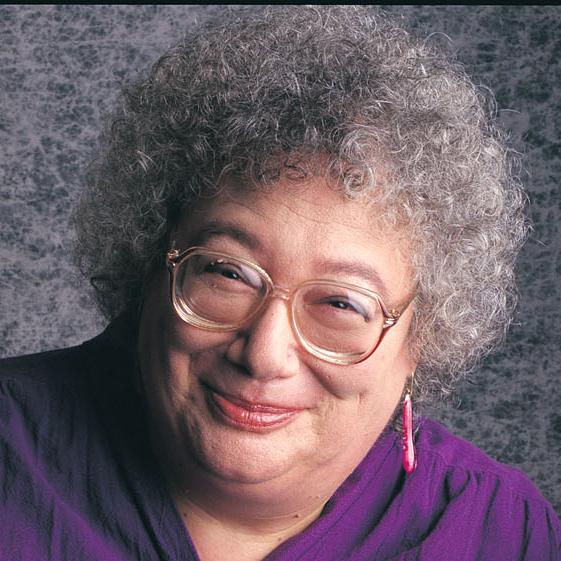
1901 Julius Daniels*
1920 Pernell Charity*
1946 Duane Allman*
1990 Earl Phillips+
2005 Chris Whitley+
2010 Little Smokey Smothers+
1920 Pernell Charity*
1946 Duane Allman*
1990 Earl Phillips+
2005 Chris Whitley+
2010 Little Smokey Smothers+
Happy Birthday
Duane Allman Geb. 20.11.1946
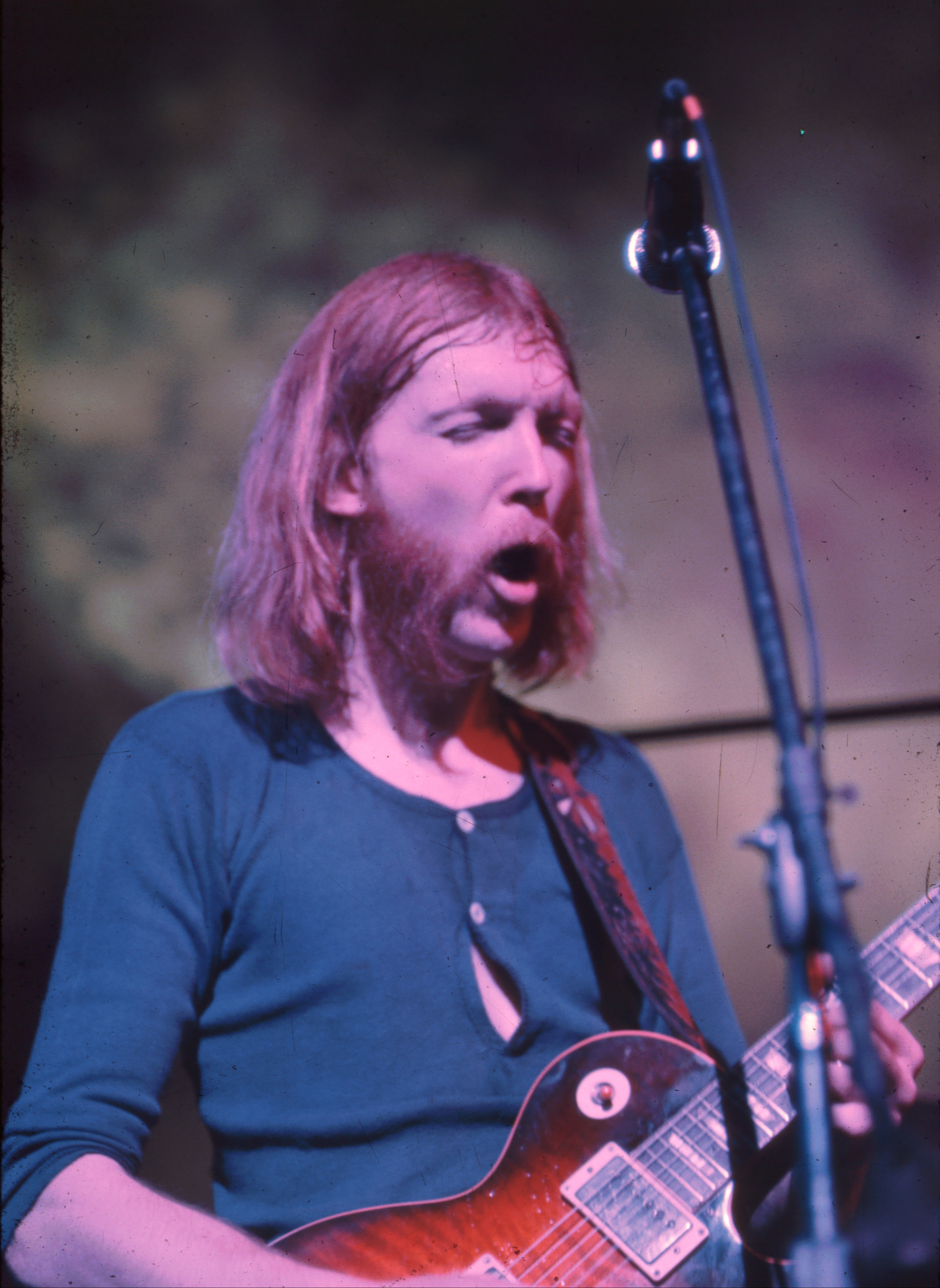
Howard Duane Allman (* 20. November 1946 in Nashville, Tennessee; † 29. Oktober 1971 in Macon, Georgia) gilt als Slide-Gitarren-Legende und als einer der besten Rock- und Blues-Gitarristen aller Zeiten. Auf der Liste der 100 Greatest Guitarists of All Time der amerikanischen Musikzeitschrift Rolling Stone findet sich Allman auf Rang 9 hinter Jimi Hendrix, Eric Clapton, Jimmy Page, Keith Richards, Jeff Beck, B.B. King, Chuck Berry und Eddie Van Halen.
Nachdem Duane Allman im Alter von etwa 14 Jahren von seinem Bruder Gregg die ersten Gitarrengriffe gelernt hatte, spielten die Brüder zusammen in verschiedenen Gruppen, wobei Duane seinen Bruder, was das Können auf der Gitarre anbelangt, schon bald übertraf. Dieser wechselte dann auch im Lauf der Zeit zu Orgel und Klavier über; später, bei den Allman Brothers, sollte er auch das Gros der Stücke für die Gruppe komponieren.
1965 gründeten die Allman-Brüder die Band Allman Joys; 1967 folgte Hour Glass. Diese Band nahm während eines Kalifornien-Aufenthaltes auch zwei später auf Doppel-LP veröffentlichte Alben auf.
1969 spielte Duane, der inzwischen nach Florida gegangen war, zwischen Sessions als Studio-Musiker für die Fame-Studios in Muscle Shoals, Alabama (u. a. für Aretha Franklin, Wilson Pickett und King Curtis) mit dem Schlagzeuger Butch Trucks, der Band des Gitarristen Dickey Betts und dem Schlagzeuger Jai Johanny „Jaimoe“ Johanson, und ihm wurde schnell klar, dass dies genau das war, was alle Beteiligten machen wollten. Nach einer Jam-Session im Green House und dem Hinzukommen von Duanes Bruder Gregg aus Kalifornien war die Allman Brothers Band komplett. Neben Duane [lead-g, slide-g, voc] und Gregg Allman [lead-voc, org, p] bestand die Band aus Dickey Betts [lead-g, slide-g, voc], Berry Oakley [el-b, voc] sowie den beiden Schlagzeugern Jai Johanny Johanson [dr, congas, perc] und Butch Trucks [dr, tympani]. Auch war es Duane, der Don Felder, dem späteren Gitarristen der Eagles, die Slide-Gitarre näher brachte.
Duane Allman nahm zusammen mit der Ur-Besetzung der Allman Brothers Band insgesamt vier Alben – davon zwei Doppelalben – auf. Neben den Alben der Allman Brothers Band wirkte er auch auf dem Layla-Album von Eric Clapton/Derek & The Dominos mit.
Duane Allman verunglückte am 29. Oktober 1971 bei einem Motorradunfall in Macon tödlich, als er einem plötzlich ausscherenden Lastwagen ausweichen wollte. Posthum wurde das zu seinen Lebzeiten begonnene Doppelalbum Eat a Peach vom Rest der Band fertiggestellt und veröffentlicht.
Ein Jahr nach Duanes Tod verunglückte der Bassist der Gruppe, Berry Oakley, ebenfalls mit dem Motorrad an fast derselben Stelle wie Duane tödlich. Bis zum heutigen Tag besteht die Allman Brothers Band – unterbrochen von mehr oder weniger langen Pausen – nach wie vor.
Technisches
Die Gitarren, die Duane Allman spielte, waren zu Zeiten der Allman Brothers Band entweder eine 1957er Gibson Les Paul Goldtop, eine 59er Gibson Les Paul Darkburst oder eine 68er Gibson SG Standard.[2] Für die Aufnahme des allerersten Allman-Brothers-Albums The Allman Brothers Band verwendete er eine Gibson ES-345. Als Verstärker benutzte er hauptsächlich einen 50-Watt Marshall Bass Head, als Slide ein Coricidinfläschchen.
Howard Duane Allman (November 20, 1946 – October 29, 1971) was an American guitarist, session musician, co-founder and leader of the The Allman Brothers Band until his death in a motorcycle accident in 1971 at the age of 24.
The Allman Brothers Band was formed in 1969 and based in the Southeastern United States. In the early 1970s, the band had major success. Allman is best remembered for his brief but influential tenure in the band and in particular for his expressive slide guitar playing and inventive improvisational skills.[1] In 2003, Rolling Stone magazine ranked Allman at #2 in their list of the 100 greatest guitarists of all time, second only to Jimi Hendrix and in 2011 he was ranked #9.[2] His tone (achieved with a Gibson Les Paul and two 50-watt bass Marshall amplifiers) was named one of the greatest guitar tones of all time by Guitar Player.[3]
A sought-after session musician both before and during his tenure with the band, Duane Allman performed with such established stars as King Curtis, Aretha Franklin, Wilson Pickett, and Herbie Mann. He also contributed heavily to the 1970 album Layla and Other Assorted Love Songs by Derek and the Dominos.
Duane Allman's skills as a guitarist were complemented by personal qualities such as his intensity, drive and ability to draw the best out of others in making music.[4] He is still referred to by his nickname "Skydog".
Early years
Duane Allman was born on November 20, 1946 in Nashville, Tennessee. He was the eldest son of Willis Allman, a career United States Army sergeant, and Geraldine (née Robbins). His younger brother Gregg Allman was born in late 1947.
While the family was living near Norfolk, Virginia, his father was murdered by a fellow veteran hitchhiker.[6] In order to retrain as an accountant, Geraldine "Mama A" Allman sent Duane and Gregg to Castle Heights Military Academy in Lebanon, Tennessee, which they both disliked intensely.[7] In 1957, the family moved to Daytona Beach, Florida where the boys attended Seabreeze High School.
The boys returned to Nashville to spend summers with their grandmother where Gregg learned guitar basics from a neighbor. In 1960, Gregg had saved enough money to buy his first guitar, a Japanese-made Teisco Silvertone while Duane acquired a Harley 165 motorbike. Duane began to take an interest in the guitar, leading to fights over it, and eventually their mother bought Duane a Gibson Les Paul Junior.[8]
It was also in Nashville that the boys became musically inspired by a rhythm and blues concert they attended, at which blues guitar legend B. B. King performed. Apparently, Duane turned to Gregg and said, "We got to get into this."[8]
Duane learned to play very quickly and soon became the better guitarist of the two, dropping out of high school to stay home during the day and focus on developing his guitar skills.
Allman Joys and Hour Glass
The two Allman brothers started playing publicly in 1961, joining or forming a number of small, local groups. Shortly thereafter, Duane quit high school to stay home during the day and focus on his guitar playing. Their band the Escorts opened for The Beach Boys in 1965 but disbanded and eventually became the Allman Joys. After Gregg graduated from Seabreeze High School in 1965, the Allman Joys went on the road, performing throughout the Southeast and eventually being based in Nashville and St. Louis, Missouri.
The Allman Joys morphed into another not-completely-successful band, The Hour Glass, which moved to Los Angeles in early 1967. There the Hour Glass produced two albums that left the band unsatisfied. Liberty, their record company, tried to market them as a pop band, completely ignoring the band's desire to play more blues-oriented material.
In 1968, Gregg Allman went to visit Duane on his 22nd birthday. Duane was laid up in bed, nursing an injured left elbow suffered from a fall from a horse. Gregg brought along a bottle of Coricidin pills for his fever and the debut album by guitarist Taj Mahal as a gift. He left it on the front porch and rang the bell, as Duane was angry with him for the injury. "About two hours after I left, my phone rang," Gregg states. "Baby brother, baby brother, get over here now!" When Gregg got there, he found that Duane had poured the pills out of the bottle, washed off the label and was using it as a slide to play "Statesboro Blues", an old Blind Willie McTell song that Taj Mahal covered. "Duane had never played slide before," says Gregg, "he just picked it up and started burnin'. He was a natural."[citation needed] The song would go on to become a part of the Allman Brothers Band's repertoire, and Duane's slide guitar became crucial to their sound.
The Hour Glass broke up in early 1968, and Duane and Gregg Allman went back to Florida, where they played on demo sessions with February 31, a folk rock outfit whose drummer was Butch Trucks. Gregg returned to California to fulfill Hour Glass obligations, while Duane jammed around Florida for months but didn't get another band going.
Session musician
Allman's playing on the two Hour Glass albums and an Hour Glass session in early 1968 at FAME Studios in Muscle Shoals, Alabama had caught the ear of Rick Hall, owner of FAME. In November 1968 Hall hired Allman to play on an album with Wilson Pickett. Allman's work on that album, Hey Jude (1968), got him hired as a full-time session musician at Muscle Shoals and brought him to the attention of a number of other musicians, such as Eric Clapton, who later said, "I remember hearing Wilson Pickett's 'Hey Jude' and just being astounded by the lead break at the end. I had to know who that was immediately—right now."
Allman's performance on "Hey Jude" blew away Atlantic Records producer and executive Jerry Wexler when Hall played it over the phone for him. Wexler immediately bought Allman's recording contract from Hall and wanted to use him on sessions with all sorts of Atlantic R&B artists. While at Muscle Shoals, Allman was featured on releases by a number of artists, including Doris Duke, Clarence Carter, King Curtis, Aretha Franklin, Laura Nyro, Wilson Pickett, Otis Rush, Percy Sledge, Johnny Jenkins, Boz Scaggs, Delaney & Bonnie and jazz flautist Herbie Mann.
Formation of The Allman Brothers Band
The limits of full-time session playing frustrated Allman. The few months in Muscle Shoals were by no means a waste, however; besides meeting the great artists and other industry professionals with whom he was working, Allman had rented a small, secluded cabin on a lake and spent many solitary hours there refining his playing. Perhaps most significantly, Allman got together with R&B and jazz drummer Jaimoe Johanson, who came to meet Allman at the urging of Otis Redding's manager, Phil Walden, who by now was managing Allman and wanted to build a three-piece band around him. Allman and Jaimoe got Chicago-born bassist Berry Oakley to come up from Florida and jam as a trio, but Berry was committed to his rock band with guitarist Dickey Betts, the Second Coming, and returned south.
Getting fed up with Muscle Shoals, in March Allman took Jaimoe with him back to Jacksonville, Florida, where they moved in with Butch Trucks. Soon a jam session of these three plus Betts, Oakley, and Reese Wynans took place and forged what all present recognized as a natural, or even magical, bond. With the addition of brother Gregg, called back from Los Angeles to sing and replace Wynans on keyboards, at the end of March 1969, the Allman Brothers Band was formed. (Wynans became well known over a decade later as organist with Stevie Ray Vaughan & Double Trouble.) After a bit of rehearsing and gigging, the sextet moved to Macon, Georgia, in April to be near Walden and his Capricorn Sound Studios. While living in Macon, Allman met Donna Roosman, who bore his only child, Galadrielle. Despite their child, the relationship quickly ended.
Success: Layla, At Fillmore East
The Allman Brothers Band went on to become one of the most influential rock groups of the 1970s, described by Rolling Stone's George Kimball in 1971 as "the best damn rock and roll band this country has produced in the past five years."[9] After months of nonstop rehearsing and gigging, including free shows in Macon's Central City Park and Atlanta's Piedmont Park, the group was ready to settle on the Allman Brothers Band name, and to record. Their debut album, The Allman Brothers Band, was recorded in New York in September 1969 and released a few months later. In the midst of intense touring, work began in Macon and Miami (Atlantic South – Criteria Studios), and a little bit in New York, on the band's second album, Idlewild South. Produced mostly by Tom Dowd, Idlewild South was released in August 1970 and broke new ground for them by quickly hitting the Billboard charts.
A group date in Miami, also that August, gave Allman the chance to participate in Eric Clapton's Layla and Other Assorted Love Songs. Clapton had long wanted to meet Allman; when he heard that the Allman Brothers were due to play in Miami, where he had just started work on Layla with producer Tom Dowd, he insisted on going to see their concert, where he met Allman. At one point, Allman approached Clapton, fully admiring his ability to play guitar as much as Clapton admired his, and cautiously asked Clapton if he could come by the studio to watch. Clapton eagerly agreed, since he knew that his masterful playing combined with Allman's would be greater than the sum of its parts. After the show the two bands—the Allman Brothers Band and Derek and the Dominos—returned to Criteria, where Allman and Clapton quickly formed a deep rapport during an all-night jam session.[10] Allman wound up participating on most of the album's tracks, contributing some of his best-known work. Allman never left the Allman Brothers Band, though, despite being offered a permanent position with Clapton. Allman never toured with Derek and the Dominos, but he did make three appearances with them on December 1, 1970 at the Curtis Hixon Hall in Tampa (Soulmates LP) and the following day at Onondaga County War Memorial in Syracuse, NY, and one appearance (or possibly just Delaney Bramlett or both Allman and Delaney) November 20, 1970[11] at the Santa Monica Civic Auditorium, California.
In an interview, Allman told listeners how to tell who played what: Eric played the Fender parts and Duane played the Gibson parts. He continued by nonchalantly noting that the Fender had a sparklier sound, while the Gibson produced more of a "full-tilt screech".[12] Clapton wrote later in his autobiography that he and Allman were inseparable during the sessions in Florida; he talked about Allman as the "musical brother I'd never had but wished I did."[13]
The Allman Brothers went on to record At Fillmore East in March 1971. Meanwhile, Allman continued contributing session work to other artists' albums whenever he could. According to Skydog: the Duane Allman Story, Allman was in the habit of spontaneously dropping in at recording sessions and contributing to whatever was being taped that day. He received cash payments but no recording credits, making it virtually impossible to compile a complete discography of his works.
Allman was well known for his melodic, extended and attention-holding guitar solos. During this period two of his stated influences were Miles Davis and John Coltrane, having listened extensively to Kind of Blue for two years.[12][14]
Death
Duane Allman was killed in a motorcycle accident only months after the release and initial success of At Fillmore East.[15] On October 29, 1971, in the western part of Macon, Georgia, during a band break from touring and recording, Allman was riding his motorcycle at a high speed on Hillcrest Avenue as he approached Bartlett Street, when a flatbed truck carrying a lumber crane stopped suddenly in the intersection, forcing Allman to swerve his Harley-Davidson Sportster motorcycle sharply to the left to avoid a collision. As he was doing so, he struck either the back of the truck or the ball on the lumber crane and was immediately thrown from the motorcycle. The motorcycle bounced into the air, landed on Allman and skidded another 90 feet with Allman pinned underneath, crushing his internal organs. Though he was alive when he arrived at the hospital, despite immediate emergency surgery, he died several hours later from massive internal injuries.
Memorial
After Allman's funeral and some weeks of mourning, the five surviving members of the Allman Brothers Band carried on, resuming live performances and finishing the recording work interrupted by Allman's death. They named their next album Eat a Peach for Allman's response to an interviewer's question: "How are you helping the revolution?" Allman replied: "There ain't no revolution, only evolution, but every time I'm in Georgia I 'eat a peach' for peace." Released in February 1972, this double album contains a side of live and studio tracks with Allman, two sides of "Mountain Jam", recorded with Allman at the same At Fillmore East stand in March, and a side of tracks by the surviving five member band.
Bass guitarist Berry Oakley died less than 13 months later in a similar motorcycle crash with a city bus, three blocks from the site of Duane Allman's fatal accident. Oakley's remains were laid to rest beside Duane Allman's in Macon, Georgia's Rose Hill Cemetery.
The variety of Allman's session work and Allman Brothers Band bandleading can be heard to good effect on two posthumous Capricorn releases, An Anthology (1972) and An Anthology Volume II (1974). There are also several archival releases of live Allman Brothers Band performances from what the band calls "Duane's Era".
Shortly after Allman's death, Ronnie Van Zant of Lynyrd Skynyrd dedicated the song "Free Bird", to the memory of Duane Allman. Van Zant would sometimes allude to this in concert; in the "Free Bird" performance at Skynyrd's famed 1976 appearance at Knebworth, England, Van Zant says to pianist Billy Powell, "Play it for Duane Allman." Many people assume the song was written about Allman. However, it had actually been written well before he died. (Allen Collins wrote the song after his then girlfriend asked him the question "if I leave here tomorrow, would you still remember me?")
In 1973, fans carved the very large letters "REMEMBER DUANE ALLMAN" in a dirt embankment along Interstate Highway 20 near Vicksburg, Mississippi.[16][17] A photograph was published in Rolling Stone magazine and in the Rolling Stone Illustrated History of Rock & Roll; the carving itself lasted for over ten years.[18]
In 1998 the Georgia State Legislature passed a resolution designating a stretch of State Highway 19, US 41, within Macon as the "Duane Allman Boulevard" in his honor.[19]
Country singer Travis Tritt, in the song "Put Some Drive in Your Country" on his debut album, sings "Now I still love old country/I ain't tryin' to put it down/But damn I miss Duane Allman/I wish he was still around."
In 2013, Skydog, a seven-CD box set tracing the virtuosity of Duane Allman on the slide guitar was released with the help of his daughter, Galadrielle Allman. A March 16 interview with her on NPR's Weekend Edition Saturday by Scott Simon ran over eight minutes, includes many details, and is highlighted with clips of his playing,[20] including links to an audio file prepared for the broadcast.
Equipment
Allman Joys, Hour Glass
Fender Telecaster, modified with a Stratocaster neck.[21]
Marshall amplifier, with six 10-inch speakers and two horns.[21]
Early session work
1954 Fender Stratocaster, used on the Muscle Shoals Sound Studio studio sessions, now
at the Hard Rock Cafe in London at the Vault.[22]
Dallas Arbiter Fuzz Face, which used old 9V batteries because "they make a special
sound."
Fender Twin Reverb with JBL speakers.[21]
Maestro Echoplex.[21]
1959 Fender Bassman.[21]
"Blue Sky", Duane Allman's Solo, at Stonybrook, 1971-09-19
Julius Daniels *20.11.1901

Julius Daniels (November 20, 1901 – October 18, 1947)[1][2] was an American Piedmont blues musician. His song "99 Year Blues" appeared on the box set Anthology of American Folk Music and has been covered by Jim Kweskin, Chris Smither, Johnny Winter, Charlie Parr and Hot Tuna on their album Burgers.[3]
Daniels was born in Denmark, South Carolina, United States. He lived in Pineville, North Carolina, from 1912 to 1930, when he moved to Charlotte, North Carolina. He first recorded in 1927, joined first by guitarist Bubba Lee Torrence and later by Wilbert Andrews.[2] Daniels is buried at the Silver Mount Church Cemetery near Fort Mill, South Carolina.
The Historic Society of Bamberg County held the first Julius Daniels Memorial Blues Festival at the Dane Theater in Denmark, South Carolina, on October 23, 2010. Performers included Drink Small, Beverly Watkins, The Meeting Street Sheiks and Hitman. Gary Erwin was the artistic director. The 2nd JDMBF was held on October 22, 2011, and featured Sandra Hall, Roy Roberts and The King Bees with Rob Baskerville serving as artistic director. The Historic Society moved the JDMBF to the last Saturday in February. Juke Joint Johnny and Elliot & the Untouchables performed at the 3rd Julius Daniels Memorial Blues Festival on February 25, 2012. The 4th JDMBF was on February 23, 2013 and featured Jeff Liberty and Fatback & The Groove Band. The 5th JDMBF was held on Saturday, February 22, 2014 featuring Anthony Charles & the Blues Dolphins, The Front Porch Three and Warren Peay. The 6th JDMBF will feature Mac Arnold and Plate Full O' Blues and will be held on Saturday, February 28, 2015.
Pernell Charity *20.11.1920

b. 20 November 1920, Waverly, Virginia, USA, d. 12 April 1979, Waverly, Virginia, USA. Although Charity’s guitar playing and singing show many and varied influences, he appears to have spent most of his life in the town where he was born. His compositions, such as all the tracks on his 1972 album, suggest an awareness of the wider world, even if it was one in which he chose not to travel, and of the history of the blues and its practitioners as well as of the culture of the deep south: ‘War Blues’, ‘Pig Meat Mama’, ‘Mamie’, ‘Richmond Blues’, ‘Blind Man’ and ‘Blind Lemon’s Blues’.
Pernell Charity Blind Lemon's Blues (1972)
R.I.P.
Little Smokey Smothers +20.11.2010

Otis „Big Smokey“ Smothers (* 21. März 1929 in Lexington, Mississippi; † 23. Juli 1993 in Chicago, Illinois) war ein US-amerikanischer Blues-Gitarrist und -Sänger.
Als Howlin' Wolf Smothers 1956/57 als Rhythmus-Gitarrist ins Studio holte, hatte Smothers bereits eine etwa zehnjährige Erfahrung als Bluesmusiker hinter sich. Mit Howlin' Wolf nahm er während dieser Zeit Songs wie Who's Been Talking und Tell Me. 1960 arbeitete Smothers mit Freddy King zusammen und bekam einen Plattenvertrag bei Federal Records, wo er auch einige Solo-Aufnahmen machte. So veröffentlichte er 1961 sein Debüt-Album Sings the Backporch Blues.
Außer einer Single (I Got My Eyes on You 1968) hörte man nun lange Zeit nichts mehr von Smothers, bis 1987 auf Red Beans Records die LP Got My Eyes on You erschien. Am 23. Juli 1993 verstarb Smokey Smothers in Chicago.
In den 60er Jahren heuerte der Gitarrist Albert Abraham "Little Smokey" Smothers den weißen Bluesharp-Spieler Paul Butterfield an. Wenig später nahm er auch noch den Gitarristen Elvin Bishop unter seine Fittiche. Beide wurden mit der Paul Butterfield Blues Band schnell wesentlich bekannter als ihr Mentor. Auch wenn der am 20. November 2010 verstorbene Bluesman Little Smokey Smothers nur recht wenige eigene Platten veröffentlichte, zählt er dennoch zu den ganz wichtigen Musikern des Chicago-Blues.
Geboren wurde Little Smokey Smothers am 2. Januar 1939 in Tchula, Mississippi. Bald schon zog die musikalische Familie nach Chicago. Sein älterer Bruder "Big" Smokey Smothers wurde als Gitarrist in den Bands von Little Walter, Howlin' Wolf und Muddy Waters einer der Gitarristen, die ständig für Plattenaufnahmen eingeladen wurden. Sein Cousin Lee "Shot" Williams wurde als Soulsänger bekannt.
Little Smokey entwickelte einen Gitarrenstil, der sehr stark von B.B. und Albert King - aber auch vom Jazzgitarristen Kenny Burrell - geprägt war. Damit war er in der mehr rockig ausgerichteten Bluesszene Chicagos etwas Besonderes. Und so konnte er sich seit den späten 50er Jahren in der Clubszene der South Side von Chicago einen Namen erspielen. Ähnlich wie sein Bruder wurde er auch schon bald als Sessiongitarrist zu Plattenaufnahmen der berühmten Blueshelden der Stadt eingeladen.
Als er allerdings eine Familie gegründet hatte, zog er sich für etliche Jahre aus der Musikwelt zurück. Denn um die Kinder zu ernähren reichten die Einkünfte als Gitarrist nicht aus.Erst 1978 kehrte er zurück, spielte etwa seit Ende der 80er Jahre für The Legendary Blues Band, die Drummer Willie Smith und andere gegründet hatten, als sie Muddy Waters 1980 im Streit verlassen hatten.
Seine ersten eigenen Platten nahm Smothers allerdings erst in den 90er Jahren auf. "Bossman!" erschien beim holländischen Label Black Magic, "Second Time Around" bei CrossCut in Deutschland. In den USA war sein Plattendebüt die gemeinsam mit seinem ehemaligen Schüler Elvin Bishop bei Alligator veröffentlichte Platte "That's My Partner", die live in San Francisco mitgeschnitten worden war. Daneben wurde Smothers auch in der von Martin Scorsese parallel zu der Kinoreihe "The Blues" entwickelten Fernsehserie vorgestellt. Dabei wurde beispielsweise ein Auftritt in Koko Taylors Nachtclub mit ihm gefilmt.
Geboren wurde Little Smokey Smothers am 2. Januar 1939 in Tchula, Mississippi. Bald schon zog die musikalische Familie nach Chicago. Sein älterer Bruder "Big" Smokey Smothers wurde als Gitarrist in den Bands von Little Walter, Howlin' Wolf und Muddy Waters einer der Gitarristen, die ständig für Plattenaufnahmen eingeladen wurden. Sein Cousin Lee "Shot" Williams wurde als Soulsänger bekannt.
Little Smokey entwickelte einen Gitarrenstil, der sehr stark von B.B. und Albert King - aber auch vom Jazzgitarristen Kenny Burrell - geprägt war. Damit war er in der mehr rockig ausgerichteten Bluesszene Chicagos etwas Besonderes. Und so konnte er sich seit den späten 50er Jahren in der Clubszene der South Side von Chicago einen Namen erspielen. Ähnlich wie sein Bruder wurde er auch schon bald als Sessiongitarrist zu Plattenaufnahmen der berühmten Blueshelden der Stadt eingeladen.
Als er allerdings eine Familie gegründet hatte, zog er sich für etliche Jahre aus der Musikwelt zurück. Denn um die Kinder zu ernähren reichten die Einkünfte als Gitarrist nicht aus.Erst 1978 kehrte er zurück, spielte etwa seit Ende der 80er Jahre für The Legendary Blues Band, die Drummer Willie Smith und andere gegründet hatten, als sie Muddy Waters 1980 im Streit verlassen hatten.
Seine ersten eigenen Platten nahm Smothers allerdings erst in den 90er Jahren auf. "Bossman!" erschien beim holländischen Label Black Magic, "Second Time Around" bei CrossCut in Deutschland. In den USA war sein Plattendebüt die gemeinsam mit seinem ehemaligen Schüler Elvin Bishop bei Alligator veröffentlichte Platte "That's My Partner", die live in San Francisco mitgeschnitten worden war. Daneben wurde Smothers auch in der von Martin Scorsese parallel zu der Kinoreihe "The Blues" entwickelten Fernsehserie vorgestellt. Dabei wurde beispielsweise ein Auftritt in Koko Taylors Nachtclub mit ihm gefilmt.
Little Smokey Smothers (January 2, 1939[1] – November 20, 2010)[2] was an African American, Chicago blues guitarist and singer.
His elder brother, Otis (died 1993), was known as the bluesman Otis "Big Smokey" Smothers, with whom he was sometimes confused.
Biography
Albert Abraham "Abe" Smothers was born in Tchula, Mississippi,[1][2] learned guitar at the age of 15, and relocated to Chicago two years later.[3][4] He soon appeared on stage playing alongside Arthur “Big Boy” Spires, Magic Sam, Otis Rush and Lazy Bill Lucas.[4] In 1958 he joined up with Howlin' Wolf, and played on Wolf's recording session for Chess Records the following year. Tracks Smothers contributed to included "I've Been Abused," "Howlin' for My Darling," and "Mr. Airplane Man."[1]
In 1961 he founded Little Smokey Smothers and the Pipeplayers.[4] He later met Paul Butterfield and became a founding member of the Paul Butterfield Blues Band. He was replaced in the band by Elvin Bishop, but developed a friendship that lasted a lifetime.[4] Throughout the 1960s Smothers appeared with Buddy Guy, James Cotton, Earl Hooker, and Junior Wells.[3] Musical opportunities dried up in the 1970s, and Smothers worked in construction.[4] He recorded again, after several years break, in 1979 as part of Mojo Buford's Chicago Blues Summit album.[5] He re-appeared in the 1980s with The Legendary Blues Band.[6] Their 1989 recording, Woke up with the Blues, included contributions from Smothers.[4][7]
In 1993, Bishop made a guest appearance on Smothers first solo album with the Dutch Black Magic label, Bossman! The Chicago Blues of Little Smokey Smothers. The recording also included work from Smothers' cousin, Lee "Shot" Williams.[1] Bishop and Smothers played at the 1993 Chicago Blues Festival.[8] Smothers had open heart surgery in 1995, but the following year issued Second Time Around.[4] Smothers performed at the 1999 San Diego Blues Festival, and at a party for Mick Jagger's 55th birthday.[3]
Alligator Records then issued That's My Partner (2000), a live album recorded in San Francisco, which saw Smothers reunited with Bishop.[1] Smothers also appeared at the 2000 Chicago Blues Festival.[9] He also featured in Martin Scorsese's 2003 television series The Blues, with excerpts from his live show.[5] In 2006 Smothers and Bishop played live at the Ground Zero club in Clarksdale, Mississippi. Latterly Smothers experienced health problems, and had both legs amputated due to diabetes.
In 2009, Bishop compiled the benefit album, Chicago Blues Buddies, incorporating recordings made by Smothers and Bishop dating back to 1992. Proceeds from the album helped to pay for Smothers' medical costs.[8]
On November 20, 2010, after a spell in a Chicago hospital, Smothers died of natural causes.
His elder brother, Otis (died 1993), was known as the bluesman Otis "Big Smokey" Smothers, with whom he was sometimes confused.
Biography
Albert Abraham "Abe" Smothers was born in Tchula, Mississippi,[1][2] learned guitar at the age of 15, and relocated to Chicago two years later.[3][4] He soon appeared on stage playing alongside Arthur “Big Boy” Spires, Magic Sam, Otis Rush and Lazy Bill Lucas.[4] In 1958 he joined up with Howlin' Wolf, and played on Wolf's recording session for Chess Records the following year. Tracks Smothers contributed to included "I've Been Abused," "Howlin' for My Darling," and "Mr. Airplane Man."[1]
In 1961 he founded Little Smokey Smothers and the Pipeplayers.[4] He later met Paul Butterfield and became a founding member of the Paul Butterfield Blues Band. He was replaced in the band by Elvin Bishop, but developed a friendship that lasted a lifetime.[4] Throughout the 1960s Smothers appeared with Buddy Guy, James Cotton, Earl Hooker, and Junior Wells.[3] Musical opportunities dried up in the 1970s, and Smothers worked in construction.[4] He recorded again, after several years break, in 1979 as part of Mojo Buford's Chicago Blues Summit album.[5] He re-appeared in the 1980s with The Legendary Blues Band.[6] Their 1989 recording, Woke up with the Blues, included contributions from Smothers.[4][7]
In 1993, Bishop made a guest appearance on Smothers first solo album with the Dutch Black Magic label, Bossman! The Chicago Blues of Little Smokey Smothers. The recording also included work from Smothers' cousin, Lee "Shot" Williams.[1] Bishop and Smothers played at the 1993 Chicago Blues Festival.[8] Smothers had open heart surgery in 1995, but the following year issued Second Time Around.[4] Smothers performed at the 1999 San Diego Blues Festival, and at a party for Mick Jagger's 55th birthday.[3]
Alligator Records then issued That's My Partner (2000), a live album recorded in San Francisco, which saw Smothers reunited with Bishop.[1] Smothers also appeared at the 2000 Chicago Blues Festival.[9] He also featured in Martin Scorsese's 2003 television series The Blues, with excerpts from his live show.[5] In 2006 Smothers and Bishop played live at the Ground Zero club in Clarksdale, Mississippi. Latterly Smothers experienced health problems, and had both legs amputated due to diabetes.
In 2009, Bishop compiled the benefit album, Chicago Blues Buddies, incorporating recordings made by Smothers and Bishop dating back to 1992. Proceeds from the album helped to pay for Smothers' medical costs.[8]
On November 20, 2010, after a spell in a Chicago hospital, Smothers died of natural causes.
Little Smokey Smothers - 43rd Street Blues
Chris Whitley +20.11.2005

Christopher Becker Whitley, genannt: Chris Whitley, (* 31. August 1960 in Houston, Texas, USA; † 20. November 2005 in Houston, Texas, USA) war ein US-amerikanischer Musiker und Songwriter.
Leben
Chris Whitley arbeitete mit vielen bekannten Musikern zusammen. 1991 wurde sein Debütalbum Living With the Law von Malcom Burns produziert, einem Protegé von Daniel Lanois. Im Jahr 2000 arbeitete er zusammen mit Chris Wood und Billy Martin (vom Trio Medeski, Martin and Wood) am Album Perfect Day. Auf seinem Album Rocket House (2001) fanden sich unter anderem auch Gastauftritte von Dave Matthews und Bruce Hornsby. Für die Untermalung einer Liebesszene im Film Thelma & Louise mit Geena Davis und Brad Pitt wurde vom Regisseur Ridley Scott der Titel Kick the Stones von Whitley ausgewählt.
Während der Aufnahmen zum Soundtrack Pigs Will Fly (2003) arbeitete Whitley mit den beiden Deutschen Heiko Schramm (Bass) und Matthias Macht (Schlagzeug) zusammen. Schramm war bereits auf der „Rocket-House“-Tournee als ständiger Bassist dabei. Im Folgenden entstand das Album Hotel Vast Horizon (ebenfalls 2003). Während dieser Arbeit entwickelte sich eine gewisse Liebe zur Stadt Dresden, die in den folgenden Jahren bis kurz vor seinem Tod auch seine neue Heimat werden sollte.
Chris Whitley, Vater der Musikerin Trixie Whitley (* 1987), starb am 20. November 2005 im Kreise seiner Familie im Alter von 45 Jahren an Lungenkrebs.
Stil
Whitley spielte unter anderem Resonatorgitarre und Banjo. Besonders auffällig war dabei die spröde Art und Weise, in der Whitley seine Songs instrumentierte. Seinen Stil könnte man als psychedelischen Blues beschreiben. In seinen Texten mischten sich politische, religiöse und sexuelle Themen auf surreale, aber poetische Weise.
Whitleys Gitarrenspiel gilt für viele als wegweisend und äußerst eigenständig. Seine Technik entspricht nicht den Regeln, aber bestach dennoch durch atemberaubende Intonation und Schnelligkeit (siehe z. B. Home is Where You Get Across auf der CD Live At Martyrs von 1999). Auch verwendete er eine Vielzahl an Gitarrenstimmungen („Tunings“), was wohl auch auf seine Verehrung für Nick Drake zurückgehen mochte.
Das in nur zwei Tagen in seines Vaters Scheune in Vermont eingespielte Album Dirt Floor charakterisierte die MusikWoche: „Nur mit Akustikgitarre oder Banjo schuf er eine faszinierende Songkollektion, die in ihrer Intimität und Intensität an Country-Blues-Legenden wie Robert Johnson und Son House, zuweilen auch an Songwriter-Größen wie Nick Drake oder Townes van Zandt erinnert. Whitleys soulige Stimme und seine feinfühligen Saitenkünste bringen schöne, schlichte Melodien und meist traurige, allegorische Texte über die Härten, Hindernisse und unerfüllten Sehnsüchte des Lebens eindrucksvoll zur Geltung.“
Christopher Becker Whitley (August 31, 1960[1] – November 20, 2005)[2] was an American blues/rock singer-songwriter and guitarist. During his 25-year career he released more than a dozen albums, had two songs in the top 50 of the Billboard mainstream rock charts and received two Independent Music Awards. Whitley's sound was drawn from the traditions of blues, jazz and rock and he recorded songs by artists from many genres. He died in 2005 of lung cancer at the age of 45.
Early life
Whitley was born in Houston, Texas and learned to play guitar when he was fifteen.[3] His father was an art director and his mother was a sculptor. During his youth he lived in Dallas, Texas, Oklahoma, Connecticut, Mexico and Vermont. His parents "grew up on race radio in the South" and their musical tastes—including Muddy Waters, Howlin' Wolf, Bob Dylan and Jimi Hendrix—influenced Whitley.[4]
Career
During the early 1980s Whitley was busking on the streets of New York City and collaborating with musicians Marc Miller, Arto Lindsay and Michael Beinhorn.[4][5] He was given a plane ticket to Ghent, Belgium in 1981, and lived there for six years, recording several albums and playing with the bands Kuruki, 2 Belgen, Nacht Und Nebel, Alan Fawn, and A Noh Rodeo.[6]
In 1988, producer Daniel Lanois heard Whitley perform at the Mondo Cane club in New York City and he helped Whitley obtain a recording contract with Columbia Records. In 1991 two of Whitley's songs charted on the Billboard Mainstream Rock charts: "Big Sky Country" (#36) and "Living with the Law" (#28).[7]
In 2000, Whitley recorded his album Perfect Day, an album of cover songs, with Chris Wood and Billy Martin and followed up with the album Rocket House in 2001.[citation needed]
Whitley's song "Breaking Your Fall" from the album Hotel Vast Horizon (2003) won in The 3rd Annual Independent Music Awards for Folk/Singer-Songwriter Song.[8] In 2004 he won The 4th Annual Independent Music Award for Blues/R&B Song for his composition "Her Furious Angels" from the album War Crime Blues.[9] Whitley was an inaugural member of The Independent Music Awards' judging panel to support independent artists[10] and collaborated with Jeff Lang on an album called Dislocation Blues in 2005.[11]
Style
Whitley's style drew on an array of influences.[2] In 2001, the New York Times described him as "restless, moving into noise-rock and minimalist jazz evoking Chet Baker and Sonic Youth as much as Robert Johnson".[12] He recorded songs by Robert Johnson and Bob Dylan as well as Lou Reed, James Brown, J.J. Cale, The Clash, Nat King Cole, The Doors, Willie Dixon, The Flaming Lips, Jimi Hendrix, Howlin' Wolf, The Jesus and Mary Chain, Kraftwerk, Gary Numan, The Passions, Prince, The Stooges, and Sonny Boy Williamson II.[11]
Notable fans of Whitley's music include, ATO co-founder Dave Matthews,[13] blues guitarist Robert Lockwood, Jr., Bruce Springsteen, Bruce Hornsby, Tom Petty, Jacob Golden, Myles Kennedy, Don Henley, Iggy Pop, Alanis Morissette, Sandi Thom, John Mayer, Gavin DeGraw, Joey DeGraw, Johnny A., Joe Bonamassa and Keith Richards.[14][15][16][17]
Whitley used various alternate tunings and often played slide guitar on a National resonator guitar and other musical equipment such as:[18]
Death
In fall 2005, Whitley canceled his tour due to health issues. In November he was reported to be terminally ill with lung cancer and under the care of hospice. He died on November 20, 2005 in Houston, Texas at the age of 45.[2][13][19] After his death, musician John Mayer said, "[Whitley's] somewhat prostrated place in pop culture earned him a sidebar of an obituary, but to those who knew his work, it registers as one of the most under appreciated losses in all of music."[14] Whitley is survived by his brother Dan and his musician daughter, Trixie Whitley.
Early life
Whitley was born in Houston, Texas and learned to play guitar when he was fifteen.[3] His father was an art director and his mother was a sculptor. During his youth he lived in Dallas, Texas, Oklahoma, Connecticut, Mexico and Vermont. His parents "grew up on race radio in the South" and their musical tastes—including Muddy Waters, Howlin' Wolf, Bob Dylan and Jimi Hendrix—influenced Whitley.[4]
Career
During the early 1980s Whitley was busking on the streets of New York City and collaborating with musicians Marc Miller, Arto Lindsay and Michael Beinhorn.[4][5] He was given a plane ticket to Ghent, Belgium in 1981, and lived there for six years, recording several albums and playing with the bands Kuruki, 2 Belgen, Nacht Und Nebel, Alan Fawn, and A Noh Rodeo.[6]
In 1988, producer Daniel Lanois heard Whitley perform at the Mondo Cane club in New York City and he helped Whitley obtain a recording contract with Columbia Records. In 1991 two of Whitley's songs charted on the Billboard Mainstream Rock charts: "Big Sky Country" (#36) and "Living with the Law" (#28).[7]
In 2000, Whitley recorded his album Perfect Day, an album of cover songs, with Chris Wood and Billy Martin and followed up with the album Rocket House in 2001.[citation needed]
Whitley's song "Breaking Your Fall" from the album Hotel Vast Horizon (2003) won in The 3rd Annual Independent Music Awards for Folk/Singer-Songwriter Song.[8] In 2004 he won The 4th Annual Independent Music Award for Blues/R&B Song for his composition "Her Furious Angels" from the album War Crime Blues.[9] Whitley was an inaugural member of The Independent Music Awards' judging panel to support independent artists[10] and collaborated with Jeff Lang on an album called Dislocation Blues in 2005.[11]
Style
Whitley's style drew on an array of influences.[2] In 2001, the New York Times described him as "restless, moving into noise-rock and minimalist jazz evoking Chet Baker and Sonic Youth as much as Robert Johnson".[12] He recorded songs by Robert Johnson and Bob Dylan as well as Lou Reed, James Brown, J.J. Cale, The Clash, Nat King Cole, The Doors, Willie Dixon, The Flaming Lips, Jimi Hendrix, Howlin' Wolf, The Jesus and Mary Chain, Kraftwerk, Gary Numan, The Passions, Prince, The Stooges, and Sonny Boy Williamson II.[11]
Notable fans of Whitley's music include, ATO co-founder Dave Matthews,[13] blues guitarist Robert Lockwood, Jr., Bruce Springsteen, Bruce Hornsby, Tom Petty, Jacob Golden, Myles Kennedy, Don Henley, Iggy Pop, Alanis Morissette, Sandi Thom, John Mayer, Gavin DeGraw, Joey DeGraw, Johnny A., Joe Bonamassa and Keith Richards.[14][15][16][17]
Whitley used various alternate tunings and often played slide guitar on a National resonator guitar and other musical equipment such as:[18]
Death
In fall 2005, Whitley canceled his tour due to health issues. In November he was reported to be terminally ill with lung cancer and under the care of hospice. He died on November 20, 2005 in Houston, Texas at the age of 45.[2][13][19] After his death, musician John Mayer said, "[Whitley's] somewhat prostrated place in pop culture earned him a sidebar of an obituary, but to those who knew his work, it registers as one of the most under appreciated losses in all of music."[14] Whitley is survived by his brother Dan and his musician daughter, Trixie Whitley.
I Forget You Every Day - Chris Whitley
https://www.youtube.com/watch?v=e5Zu5CJOQh4#t=13

Howlin Wolf, Jody Williams, Hubert Sumlin and drummer Earl Phillips (at back)
https://www.iorr.org/talk/read.php?1,2289925,2290048

Earl Phillips +20.11.1990
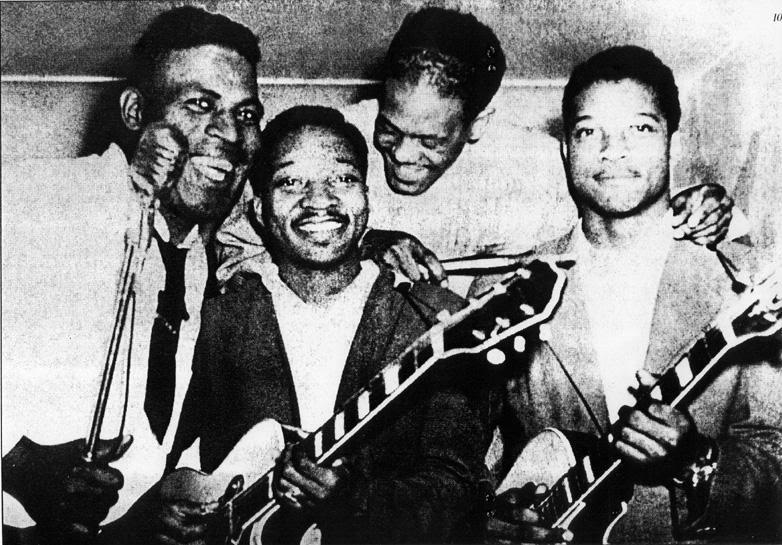
Howlin Wolf, Jody Williams, Hubert Sumlin and drummer Earl Phillips (at back)
https://www.iorr.org/talk/read.php?1,2289925,2290048
Legendary blues drummer EARL PHILLIPS would have been 75 today. He was
born on Sunday, April 25, 1920, Harlem, NY. He first recorded in NYC with
bass player Dallas Bartley's jump group with R&B vocalist Annie Laurie
("They raided the Joint", Cosmo Records, 1945) and jazz trumpeter
Roy "Little Jazz" Eldridge ("Yard Dog", Decca Records, May/1946).
By the early 50s, he had moved to Chicago, and began is long association
with the Chicago blues scene, especially with Howlin' Wolf & Jimmy Reed.
He recorded extensively for Chance/VeeJay records - they even issued one
single under his own name (VeeJay 158 : Oop-de-oop / Nothing but
love). But it's as an accompanyists, especially for Jimmy Reed, that
his VeeJay sessions will be remembered for : Dr. JoJo Adams (Chance'52),
Billy Boy Arnold ("I ain't got you", "I was Fooled', VeeJay'55),
John Lee Hooker ("Maudie", "I'm goin' upstairs", VeeJay'59-61),
Snooky Pryor ("Someone to love", VeeJay'56), Eddie Taylor ("Big Town
Playboy", VeeJay'55). His 1955-1961 recordings with Jimmy Reed are
legendary :
"Ain't that lovin' you Baby" "Honest I do"
"Baby, what you want me to do" "Hush Hush"
"Big Boss Man" "My First Plea"
"Bright lights, Big City" "Take out some insurance"
"Going to New York" "You got me dizzy"
During the VeeJay period, he was also Howlin' Wolf's drummer between
1954 & 1958. He's on the following Chess Recordings :
"Evil (is goin' on)" "No Place to go"
"Forty Four" "Rocking Daddy"
"Goin' back Home" "Smokestack Lightnin'"
"Howlin' Blues" "Sittin' on top of the World"
"Moaning for my Baby" "Who will be next?"
"Nachez Burnin'" "Who's been talking"
EARL PHILLIPS died on Tuesday, November 20, 1990. Chicago, IL. He
belongs in the same group as the other 50s Chicago blues drummers :
Fred Below, Al Duncan, Jump Jackson, Odie Payne, and S.P. Leary.
born on Sunday, April 25, 1920, Harlem, NY. He first recorded in NYC with
bass player Dallas Bartley's jump group with R&B vocalist Annie Laurie
("They raided the Joint", Cosmo Records, 1945) and jazz trumpeter
Roy "Little Jazz" Eldridge ("Yard Dog", Decca Records, May/1946).
By the early 50s, he had moved to Chicago, and began is long association
with the Chicago blues scene, especially with Howlin' Wolf & Jimmy Reed.
He recorded extensively for Chance/VeeJay records - they even issued one
single under his own name (VeeJay 158 : Oop-de-oop / Nothing but
love). But it's as an accompanyists, especially for Jimmy Reed, that
his VeeJay sessions will be remembered for : Dr. JoJo Adams (Chance'52),
Billy Boy Arnold ("I ain't got you", "I was Fooled', VeeJay'55),
John Lee Hooker ("Maudie", "I'm goin' upstairs", VeeJay'59-61),
Snooky Pryor ("Someone to love", VeeJay'56), Eddie Taylor ("Big Town
Playboy", VeeJay'55). His 1955-1961 recordings with Jimmy Reed are
legendary :
"Ain't that lovin' you Baby" "Honest I do"
"Baby, what you want me to do" "Hush Hush"
"Big Boss Man" "My First Plea"
"Bright lights, Big City" "Take out some insurance"
"Going to New York" "You got me dizzy"
During the VeeJay period, he was also Howlin' Wolf's drummer between
1954 & 1958. He's on the following Chess Recordings :
"Evil (is goin' on)" "No Place to go"
"Forty Four" "Rocking Daddy"
"Goin' back Home" "Smokestack Lightnin'"
"Howlin' Blues" "Sittin' on top of the World"
"Moaning for my Baby" "Who will be next?"
"Nachez Burnin'" "Who's been talking"
EARL PHILLIPS died on Tuesday, November 20, 1990. Chicago, IL. He
belongs in the same group as the other 50s Chicago blues drummers :
Fred Below, Al Duncan, Jump Jackson, Odie Payne, and S.P. Leary.
Howlin' Wolf - Howlin' Blues
Howlin' Blues (8780) [remastered/retitled alt tk of I'm Going Away (8719-3)]
rec. April 3, 1958 in Chicago, IL; Howlin' Wolf, voc, hca; Hosea Lee Kennard, p; Jody Williams, Hubert Sumlin, g; Alfred Elkins, b; Earl Phillips, dr
Info via and Thank you Stefan Wirz -
rec. April 3, 1958 in Chicago, IL; Howlin' Wolf, voc, hca; Hosea Lee Kennard, p; Jody Williams, Hubert Sumlin, g; Alfred Elkins, b; Earl Phillips, dr
Info via and Thank you Stefan Wirz -