1893 Furry Lewis*
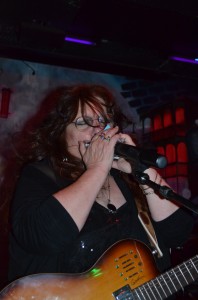
1951 Walter Trout*
1953 Phil Alvin*
1963 Johnny Iñiguez*
1994 Moses Rascoe+
2006 Johnny Williams+
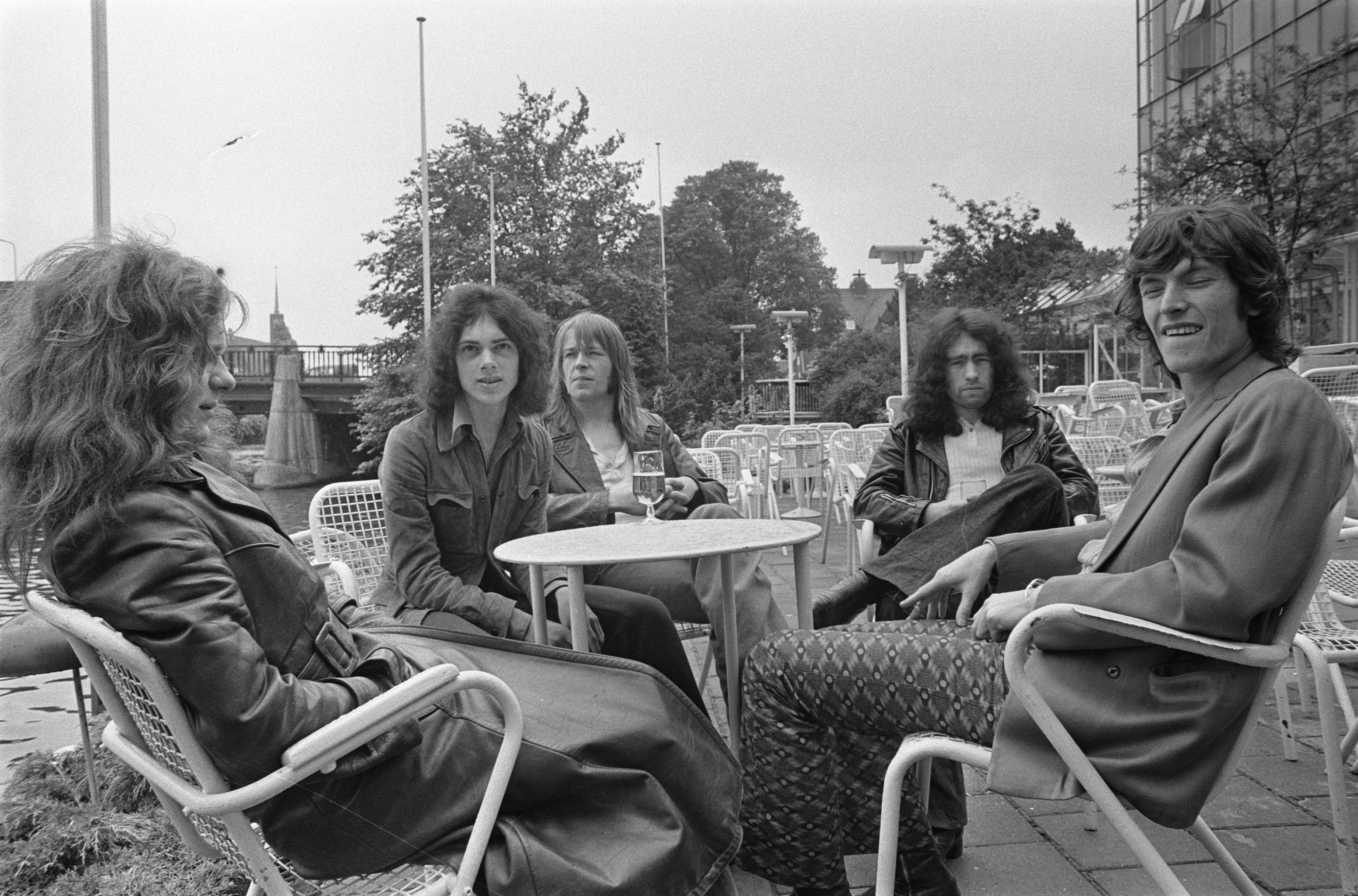
2013 Alvin Lee+
Gina Sicilia*
Russ Green*
Happy Birthday
Furry Lewis *06.03.1893
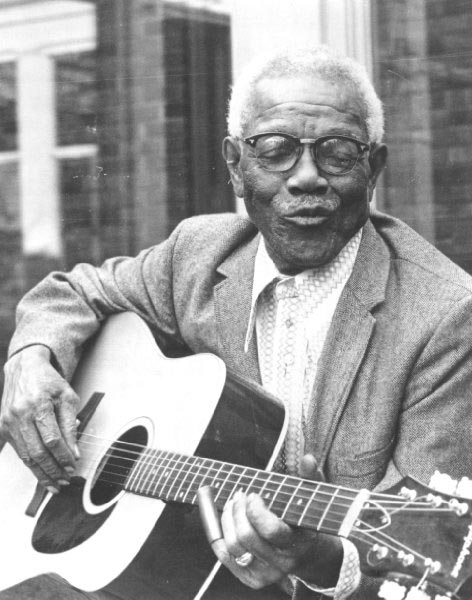
Walter "Furry" Lewis (* 6. März 1893 in Greenwood, Mississippi; † 14. September 1981 in Memphis, Tennessee) war ein US-amerikanischer Blues-Gitarrist und -Sänger.
Er war einer der bedeutendsten Vertreter des Memphis Blues und einer der ersten der Blues-Veteranen, die im Zuge des amerikanischen Blues-Revivals der 1960er "wiederentdeckt" wurden. Zu seinen bekanntesten Stücken gehören Billy Lyons & Stack-o-Lee, Judge Harsh Blues und Kassie Jones.
Den Spitznamen "Furry" (dt. pelzig) erhielt er bereits als Kind. Seine Eltern, Walter und Victoria, trennten sich noch vor seiner Geburt, die Kinder blieben bei der Mutter. Im Alter von 7 Jahren zog seine Familie nach Memphis, wo ein gewisser "Blind Joe" ihm das Gitarrespielen beibrachte. Von ihm lernte er auch zwei seiner bekanntesten Stücke, Kassie Jones und John Henry.
Schon früh spielte Lewis in Kneipen und auf der Straße, einige Male auch im Orchester von W. C. Handy, der ihm, gemeinsam mit dem Kneipenbesitzer Chad Fields, seine erste Gitarre schenkte, die er 20 Jahre lang spielen sollte. Zeitweise trat er auch in Medicine Shows auf, in der von Dr. Willie Lewis lernte er Jim Jackson kennen.
1916 verlor Lewis ein Bein, als er sich beim Aufspringen auf einen Zug mit dem Fuß in der Kupplung verhakte. Dennoch zog er weiterhin als Musiker umher und trat u. a. mit Gus Cannon, Will Shade, Memphis Minnie, Bessie Smith, Blind Lemon Jefferson, Texas Alexander und Frank Stokes auf.
1923 wurde er bei der Stadtreinigung in Memphis angestellt, wo er bis zu seinem Ruhestand 1968 arbeitete. 1925 tat er sich mit Will Shade, Dewey Thomas und Hambone Lewis zur Memphis Jug Band zusammen. Anfang 1927 wurden er und Jim Jackson von Talentsuchern entdeckt; am 20. April dieses Jahres machte er, begleitet von Landers Waller als zweitem Gitarristen, bei einigen Stücken von Charles Johnson an der Mandoline, in Chicago seine ersten Aufnahmen für das Label Vocalion Records. Drei weitere Aufnahmesitzungen, diesmal stets solo, folgten im Oktober 1927 (ebenfalls in Chicago) sowie im August 1928 und im September 1929, jeweils in Memphis. Die Weltwirtschaftskrise beendete 1929 seine Plattenkarriere, dennoch trat er auch in den nächsten Jahrzehnten regelmäßig auf, vor allem in der Beale Street, aber auch auf privaten Festen.
1959 wurde Furry Lewis von Sam Charters wiederentdeckt und hatte bis zu seinem Tod 1981 noch beträchtlichen Erfolg. Er spielte bei Festivals und trat in der Johnny Carson Show auf.
1976, fünf Jahre vor seinem Tod, veröffentlichte Joni Mitchell auf ihrer LP Hejira den Song "Furry Sings The Blues" über ihn, der ihm jedoch missfiel.
Walter E. "Furry" Lewis (March 6, 1893 – September 14, 1981)[1] was an American country blues guitarist and songwriter from Memphis, Tennessee. Lewis was one of the first of the old-time blues musicians of the 1920s to be brought out of retirement, and given a new lease of recording life, by the folk blues revival of the 1960s.
Life and career
Walter E. Lewis was born in Greenwood, Mississippi, United States, but his family moved to Memphis when he was aged seven.[1] Lewis acquired the nickname "Furry" from childhood playmates.[2] By 1908, he was playing solo for parties, in taverns, and on the street. He was also invited to play several dates with W. C. Handy's Orchestra.[2]
His travels exposed him to a wide variety of performers including Bessie Smith, Blind Lemon Jefferson, and Alger "Texas" Alexander. Like his contemporary Frank Stokes, he tired of the road and took a permanent job in 1922. His position as a street sweeper for the City of Memphis, a job he would hold until his retirement in 1966, allowed him to remain active in the Memphis music scene.[2]
In 1927, Lewis cut his first records in Chicago for the Vocalion label. A year later he recorded for the Victor label at the Memphis Auditorium in a session with the Memphis Jug Band, Jim Jackson, Frank Stokes, and others. He again recorded for Vocalion in Memphis in 1929.[2] The tracks were mostly blues but included two-part versions of "Casey Jones" and "John Henry". He sometimes fingerpicked, sometimes played with a slide.[3] He recorded many successful records in the late 1920s including "Kassie Jones", "Billy Lyons & Stack-O-Lee" and "Judge Harsh Blues" (later called "Good Morning Judge").
In 1969, Lewis was recorded by the record producer, Terry Manning, at home in Lewis' Fourth Street apartment near Beale Street. These recordings were released in Europe at the time by Barclay Records, and then again in the early 1990s by Lucky Seven Records in the United States, and again in 2006 by Universal. Joni Mitchell's song, "Furry Sings the Blues", (on her Hejira album) is about her visit to Furry Lewis' apartment and a mostly ruined Beale Street on February 5, 1976. Lewis despised the Mitchell song and demanded she pay him royalties.[4]
In 1972 he was the featured performer in the Memphis Blues Caravan, which included Bukka White, Sleepy John Estes, Clarence Nelson, Hammy Nixon, Memphis Piano Red, Sam Chatmon, and Mose Vinson.[citation needed]
Before he died, Lewis opened twice for The Rolling Stones, played on The Tonight Show Starring Johnny Carson, had a part in a Burt Reynolds movie, W.W. and the Dixie Dancekings (1975), and had a profile in Playboy magazine.[1][3]
Lewis began to lose his eyesight because of cataracts in his final years. He contracted pneumonia in 1981, which led to his death from heart failure in Memphis on September 14 of that year, at the age of 88.[5] He is buried in the Hollywood Cemetery in South Memphis, where his grave bears two headstones, the second purchased by fans.
Life and career
Walter E. Lewis was born in Greenwood, Mississippi, United States, but his family moved to Memphis when he was aged seven.[1] Lewis acquired the nickname "Furry" from childhood playmates.[2] By 1908, he was playing solo for parties, in taverns, and on the street. He was also invited to play several dates with W. C. Handy's Orchestra.[2]
His travels exposed him to a wide variety of performers including Bessie Smith, Blind Lemon Jefferson, and Alger "Texas" Alexander. Like his contemporary Frank Stokes, he tired of the road and took a permanent job in 1922. His position as a street sweeper for the City of Memphis, a job he would hold until his retirement in 1966, allowed him to remain active in the Memphis music scene.[2]
In 1927, Lewis cut his first records in Chicago for the Vocalion label. A year later he recorded for the Victor label at the Memphis Auditorium in a session with the Memphis Jug Band, Jim Jackson, Frank Stokes, and others. He again recorded for Vocalion in Memphis in 1929.[2] The tracks were mostly blues but included two-part versions of "Casey Jones" and "John Henry". He sometimes fingerpicked, sometimes played with a slide.[3] He recorded many successful records in the late 1920s including "Kassie Jones", "Billy Lyons & Stack-O-Lee" and "Judge Harsh Blues" (later called "Good Morning Judge").
In 1969, Lewis was recorded by the record producer, Terry Manning, at home in Lewis' Fourth Street apartment near Beale Street. These recordings were released in Europe at the time by Barclay Records, and then again in the early 1990s by Lucky Seven Records in the United States, and again in 2006 by Universal. Joni Mitchell's song, "Furry Sings the Blues", (on her Hejira album) is about her visit to Furry Lewis' apartment and a mostly ruined Beale Street on February 5, 1976. Lewis despised the Mitchell song and demanded she pay him royalties.[4]
In 1972 he was the featured performer in the Memphis Blues Caravan, which included Bukka White, Sleepy John Estes, Clarence Nelson, Hammy Nixon, Memphis Piano Red, Sam Chatmon, and Mose Vinson.[citation needed]
Before he died, Lewis opened twice for The Rolling Stones, played on The Tonight Show Starring Johnny Carson, had a part in a Burt Reynolds movie, W.W. and the Dixie Dancekings (1975), and had a profile in Playboy magazine.[1][3]
Lewis began to lose his eyesight because of cataracts in his final years. He contracted pneumonia in 1981, which led to his death from heart failure in Memphis on September 14 of that year, at the age of 88.[5] He is buried in the Hollywood Cemetery in South Memphis, where his grave bears two headstones, the second purchased by fans.
Walter Trout *06.03.1951


Walter Cooper Trout (* 6. März 1951 in Ocean City, New Jersey, USA) ist ein amerikanischer Komponist, Gitarrist und Sänger. Seine Musik stellt eine Synthese aus Blues und Rock (Bluesrock) dar.
Werdegang
Seit 1968 spielte Walter Trout bei verschiedenen Bands und Musikern, so zum Beispiel von 1979 bis 1980 beim legendären Bluesmusiker John Lee Hooker. Von 1980 bis 1984 war Trout Mitglied in der Band Canned Heat, bevor er sich von 1984 bis 1989 John Mayall anschloss.
1989 gründete Trout die Walter Trout Band, die sich ab 1999 in Walter Trout and the Radicals umbenannte. Im Jahr 2008 bestand die Band aus folgenden Musikern: Walter Trout (Gitarre, Gesang), Sammy Avila (Keyboards), Michael Leasure (Schlagzeug) und Rick Knapp (Bass). Rick Knapp ersetzte im Sommer 2005 den bisherigen Bassisten James Trapp, der am 24. August 2005 an den Folgen einer Herzkrankheit im Alter von 52 Jahren starb. Andrew Elt, eigentlich der Tour Manager der Band, ist seit der Relentless-Tournee das fünfte Mitglied der Band. War er live gelegentlich als Background-Sänger für Walter Trout zu hören, so tritt er jetzt auch als Solosänger neben Walter Trout in Erscheinung. Walter Trout geht mit seiner Band ziemlich regelmäßig auf Tournee und hat auch 2013 wieder eine Europa-Tournee gespielt. Im Rahmen der Herbst-Tournee gab er zahlreiche Konzerte in der Schweiz, Deutschland, England, Frankreich, den Niederlanden und in Italien (Steinegg Live). Ebenso in 2013 ist auch sein Tribute-Album "Luther´s Blues" veröffentlicht worden - eine Hommage an Luther Allison .
Walter Trout stellt im Vorprogramm seiner Konzerte immer wieder junge, talentierte Nachwuchsgitarristen vor, so beispielsweise Ian Parker, Steve Fister, Danny Bryant, Henrik Freischlader und Scott McKeon.
Wegen einer nicht medikamentös behandelbaren Lebererkrankung liegt er seit März 2014 auf der Intensivstation einer Spezialklinik in Nebraska und erhielt am 26. Mai 2014 eine neue Leber. Eine groß angelegte Spendenaktion hatte die Operation finanziert, da sie durch Trout's Versicherung nicht abgedeckt war.
In der Zwischenzeit hat Walter Trout vor allem Dank der Hilfe seiner Frau Marie Fortschritte in der Genesung gemacht. Seit dem 12. Oktober ist er wieder zu Hause. Auch hat er wieder mit dem Gitarrenspiel angefangen.
Walter Trout (born March 6, 1951, Ocean City, New Jersey, United States[1]) is an American blues guitarist, singer and songwriter.
Biography
Trout's career began on the Jersey coast scene of the late 1960s and early 1970s. He then decided to relocate to Los Angeles where he became a sideman for Percy Mayfield and Deacon Jones. He also worked in the bands of John Lee Hooker and Joe Tex.[1]
In 1981 he became the guitarist for Canned Heat.[1] This led to an invitation to play in John Mayall's Bluesbreakers where he shared the stage with fellow guitarist Coco Montoya. He left the Bluesbreakers in 1989 and formed the 'Walter Trout Band' which developed a successful following in Europe.
In 1994 the official Walter Trout Fan Club for the Netherlands and Belgium was founded, followed in 1996 by the official International Fan Club which has members in 14 countries in Europe, America, Asia and Australia. In 2006 the official International Fan club celebrated its tenth anniversary by giving fan club members an exclusive live CD recorded in Las Vegas, Nevada, which was the last performance of the late bassist, Jimmy Trapp, who died in 2005.
In 1998 Trout released his self-titled US debut album and renamed his band 'Walter Trout and the Free Radicals' (later renamed 'Walter Trout and the Radicals' and currently simply 'Walter Trout'). Since that time Trout has been recording and touring in North America, Europe and India.
In 2002, he was featured on the Bo Diddley tribute album, Hey Bo Diddley - A Tribute!, performing the song "Road Runner" and many more guest appearances on other recordings.
In 2013, his album, Luther's Blues, was nominated for a Blues Music Award in the 'Rock Blues Album of the Year' category.[2]
Walter has been fighting health issues for a while now and has had numerous surgeries and lost a lot of weight (over 100 lbs) whilst continuing to release stunning blues music, details can be read on Walter's own website at http://www.waltertrout.com/news--walters-health.
Biography
Trout's career began on the Jersey coast scene of the late 1960s and early 1970s. He then decided to relocate to Los Angeles where he became a sideman for Percy Mayfield and Deacon Jones. He also worked in the bands of John Lee Hooker and Joe Tex.[1]
In 1981 he became the guitarist for Canned Heat.[1] This led to an invitation to play in John Mayall's Bluesbreakers where he shared the stage with fellow guitarist Coco Montoya. He left the Bluesbreakers in 1989 and formed the 'Walter Trout Band' which developed a successful following in Europe.
In 1994 the official Walter Trout Fan Club for the Netherlands and Belgium was founded, followed in 1996 by the official International Fan Club which has members in 14 countries in Europe, America, Asia and Australia. In 2006 the official International Fan club celebrated its tenth anniversary by giving fan club members an exclusive live CD recorded in Las Vegas, Nevada, which was the last performance of the late bassist, Jimmy Trapp, who died in 2005.
In 1998 Trout released his self-titled US debut album and renamed his band 'Walter Trout and the Free Radicals' (later renamed 'Walter Trout and the Radicals' and currently simply 'Walter Trout'). Since that time Trout has been recording and touring in North America, Europe and India.
In 2002, he was featured on the Bo Diddley tribute album, Hey Bo Diddley - A Tribute!, performing the song "Road Runner" and many more guest appearances on other recordings.
In 2013, his album, Luther's Blues, was nominated for a Blues Music Award in the 'Rock Blues Album of the Year' category.[2]
Walter has been fighting health issues for a while now and has had numerous surgeries and lost a lot of weight (over 100 lbs) whilst continuing to release stunning blues music, details can be read on Walter's own website at http://www.waltertrout.com/news--walters-health.
Walter Trout - Red House - live performance
Gina Sicilia *06.03.1985

Gina Sicilia (born March 6, 1985, Newtown, Pennsylvania, a suburb of Philadelphia) is an American blues singer. She is the youngest daughter of Giovanni Sicilia, an Italian immigrant, born in the southern Italian province of Calabria who emigrated to the United States in the 1960s, and Patricia Sicilia, born in Philadelphia. Sicilia has an older brother, David Sicilia, a physicist at Dartmouth College as well as an accomplished musician, and an older sister, Anne-Marie Sicilia, a math teacher in New Jersey. Sicilia attended the Council Rock School District in Bucks County, Pennsylvania.
Exposed to music early on by her parents, Sicilia showed a passion for music at a young age. By age 12 she began writing her own songs, and by 16 she had written numerous songs that would later be recorded on her debut album.[citation needed]In 2007 Sicilia graduated from Temple University with a degree in journalism[citation needed]. During her sophomore year of college, Sicilia began attending the weekly blues jam at Warmdaddy's in Philadelphia. It was there she got her first performing experience and met a large group of local musicians who would help her to record her first demo.
In 2006 Sicilia recorded her debut album, Allow Me To Confess, which was produced by Gross and consisted of eight original songs. Musicians on the album included harmonica player Dennis Gruenling and Arthur Neilson. The album was released in early 2007 to rave reviews. JazzReview called her "the best blues singer on the music scene today"[1] BluesWax said she was a singer with "...star potential.."[citation needed]
Allow Me To Confess debuted at #10 on the Living Blues Radio chart, and peaked at #3 on XM Radio's Bluesville.[citation needed] A few months after the album's release, Sicilia signed with the VizzTone Label Group. Sicilia was nominated for a 2008 Blues Music Award in the category of 'Best New Artist Debut'. She also performed at the ceremony alongside acclaimed blues pianist, David Maxwell.
Hey Sugar
In October 2008, Sicilia released her second album, Hey Sugar, which debuted at #10 on the Living Blues Radio chart and consisted of nine original compositions. "Hey Sugar" helped to further establish Sicilia as a formidable singer, songwriter, and performer who could easily cross over from Blues to Americana.
Sicilia toured the United States extensively in 2008-2009 and in 2011, took part in the Legendary Rhythm and Blues Cruise. There, she performed alongside such artists as Kenny Wayne Shepherd, Joan Osborne, and The Holmes Brothers.
Can't Control Myself
On March 1, 2011 Sicilia released her much anticipated third studio album, "Can't Control Myself", once again produced by Dave Gross.
The album was met by rave reviews. The Boston Globe praised her voice as "Earthy and voluptuous" while About.com said she "delivers a vocal and lyrical performance that rates alongside the titans of early-1960s soul."
In March 2011 to promote the new album, Sicilia performed on Philadelphia's popular NBC "10! Show" and interviewed and performed on BB King's Bluesville, channel 74 on Sirius/XM Radio with DJ Bill Wax. The album debuted at # 11 on the Living Blues Radio Charts on April 1, 2011 and was added to over 150 AAA radio stations in May 2011. In the summer of 2011 "Can't Control Myself" was included in About.com's list of the "Top Ten Best Blues Album's of 2011...So Far".
In April, 2011, "Gimme a Simple Song", an original song from "Can't Control Myself", reached as high as #94 among the over 15 million MP3's available for download on Amazon.com
It Wasn't Real
On April 30, 2013 Sicilia released her fifth studio album, "It Wasn't Real" on the VizzTone Label Group.
The CD was produced and engineered by Grammy winning producer Glenn Barratt at Morning Star Studios in Amber, Pennsylvania. The recording contained an array of Philadelphia studio musicians and included nine of Sicilia's original songs, as well as an early 1960's Etta James hit, "Don't Cry Baby"
In regards to Sicilia's vocal and songwriting prowess displayed on the CD, The Philadelphia Inquirer said ""Her smoky alto is a striking instrument, but the way she harnesses its earthy power reflects a maturity that's also found in her frank songwriting. The result is a combination of polished craft and gut-level emotion that is a knockout, and earns Sicilia the right to comparisons between herself and James."
"It Wasn't Real" was met with critical acclaim by fans and critics alike, and was praised by Blues press despite its Americana and Roots tendencies and obvious departure from a contemporary Blues sound.
In 2013 Sicilia toured in support of the CD.
Career
In June, 2011 Sicilia was nominated for a Blues Blast Award in the category of the "Sean Costello Rising Star Award"
In August, 2011 Sicilia released a music video for "Addicted" directed by Saturday Night Live producer Tanya Ryno
Sicilia has opened for such notable acts as Johnny Winter, Joe Bonamassa, Shemekia Copeland, Beth Hart, and James Cotton
Gina Sicilia is an artist who actively utilizes social media, and interacts everyday with over 60,000 fans through various social networking websites such as Twitter and Facebook
In June, 2013 Sicilia was asked to perform The National Anthem at NASCAR
Personal life
Since 2005, Sicilia has been dating producer and multi-instrumentalist, Dave Gross, whom she met at Hurricane Katrina benefit concert in Philadelphia.
https://www.youtube.com/watch?v=-1xpF3CPLDA
Russ Green *06.03.

Since returning to Chicago, Russ Green’s career in music has continued to grow. Not only has he been influenced by Sugar Blue, but also by legendary harmonica player Billy Branch. He has shared the stage with the likes of Buddy Guy, John Primer, Sammy Fender, Dave Myers, Johnny Mars and many others. He is also one of the harmonica players featured on a CD that has received rave reviews and has been played on radio stations around the world, the Chicago Blues Harmonica Project. This recording has been credited with proving that the harmonica is still alive and vibrant in Chicago. Russ has played in a number of Blues festivals including the Chicago Blues Festival, the Burnley Mechanics Blues festival in England, the Gloucester Blues Festival, and the San Francisco Blues Festival, where his was called the standout performance of the festival. Russ has also played across Europe. He has also been featured on the BBC on the Paul Jones Blues Hour.
Russ’ journey into music is different than those of most musicians. Russ was born in Chicago and grew up on the city’s west side. Although throughout his life he had listened to all types of music, his desire to play wasn’t realized until his adult years.
After being discharged from the Army, Russ attended Southern Illinois University at Carbondale where he studied film. It was at this time that his desire to play music began to grow. Like lots of fans of Jimi Hendrix, Russ wanted to be able to re-create the sounds of the man whom he had admired for many years. But being a film student and having all of his money going to these films, he couldn’t afford to buy a guitar. Undaunted by this realization, Russ remembered the purchase of a harmonica from a west side shop a few years earlier. The ability to re-create the sounds of Hendrix was becoming realized, not with a guitar, but with a harmonica!
Russ moved to Seattle where every waking moment was spent concentrating on playing the harmonica. There was always a harmonica shoved in his mouth, whether he was sitting on his couch or walking down the street. He spent seven nights a week in Blues clubs jamming or sitting in. On a Christmas visit back home to Chicago, friends invited him to go to Rosa’s Blues Lounge where Sugar Blue was playing. This provided Russ the opportunity to meet the man whose music had captured his attention, the man who was already being called the “Jimi Hendrix of the harmonica”. After this meeting Russ began thinking about returning to Chicago to take advantage of this newly formed friendship. It took a year and half, but he returned to Chicago to continue his journey into the world of Blues. At this point the journey for Russ Green is rolling on!
Johnny Iñiguez *06.03.1963

Besonders herausragend ist der Gitarrist und Vokalist Johnny Iniguez aus Ecuador. Seine rauchige Stimme und seine enorme Leidenschaft entführen den Zuschauer nach Südamerika. Mal sind die Beiträge romantisch und verträumt. Doch schon bald wird es heiss. Die Rhythmen werden immer schneller, der Schweiss perlt auf den Stirnen der Musiker. Es riecht nach Holz, Kerzen und südlichem Ambiente. Die Musik reisst die Zuschauer von den Stühlen, ein Mann tanzt begeistert mit. Wahrlich, die Sonne des Südens hat im Kulturlokal Einzug gehalten. Die Begeisterung der Bandmitglieder und deren Leidenschaft reissen das Publikum mit. Die Lebensfreude, die Santa Kandela zum Ausdruck bringt, wirkt ansteckend.
Neuer Partner von Matěj Ptaszek in Ecuador
"Dieser Freitag Mai bringt Ihnen RIVIERI LOUNGE BAR BLUES von Matěj Ptaszek und Johnny Iñiguez! " FB
jhonny iniguez
Phil Alvin *06.03.1953

Philip Joseph "Phil" Alvin (born March 6, 1953) is an American singer and guitarist. He is known primarily as the frontman of the roots rock band The Blasters.
Biography
Alvin grew up in Downey, California in a music-loving family where he and his younger brother Dave Alvin were exposed to blues, rockabilly, and country. Inspired and influenced by the music they grew up with, Phil and Dave formed the rock and roll band The Blasters in the late 1970s with fellow Downey residents Bill Bateman and John Bazz.[1] The group released four studio albums between 1980 and 1985. While never achieving mass market success on the music charts, the group's recordings and concerts drew critical acclaim and a cult following across the United States and Europe.[1]
In 1986, after The Blasters had disbanded, Alvin released a solo album, Un "Sung" Stories. He then returned to graduate school at California State University, Long Beach, where eventually earned a master's degree in mathematics and artificial intelligence.[2][3] Incidentally, before launching his music career, Alvin had taught mathematics at the same university.[4]
When The Blasters reconvened in the late 1980s without Dave Alvin, who was pursuing a solo career and other projects, Phil resumed his role as the band's lead vocalist, rhythm guitarist, and harmonica player.[3][4] In 1994, he released a second solo album, County Fair 2000.[3] In 2005, under Alvin's leadership, a revised configuration of The Blasters released 4-11-44, the first studio album from the group since 1985.[1] The band followed that effort in 2012 with the studio album, Fun On Saturday Night.[1]
In 2014, Phil and Dave Alvin released the album Common Ground, a selection of Big Bill Broonzy covers, as a duo.[5] It was the first studio collaboration by the Alvin brothers since the mid 1980s.
Biography
Alvin grew up in Downey, California in a music-loving family where he and his younger brother Dave Alvin were exposed to blues, rockabilly, and country. Inspired and influenced by the music they grew up with, Phil and Dave formed the rock and roll band The Blasters in the late 1970s with fellow Downey residents Bill Bateman and John Bazz.[1] The group released four studio albums between 1980 and 1985. While never achieving mass market success on the music charts, the group's recordings and concerts drew critical acclaim and a cult following across the United States and Europe.[1]
In 1986, after The Blasters had disbanded, Alvin released a solo album, Un "Sung" Stories. He then returned to graduate school at California State University, Long Beach, where eventually earned a master's degree in mathematics and artificial intelligence.[2][3] Incidentally, before launching his music career, Alvin had taught mathematics at the same university.[4]
When The Blasters reconvened in the late 1980s without Dave Alvin, who was pursuing a solo career and other projects, Phil resumed his role as the band's lead vocalist, rhythm guitarist, and harmonica player.[3][4] In 1994, he released a second solo album, County Fair 2000.[3] In 2005, under Alvin's leadership, a revised configuration of The Blasters released 4-11-44, the first studio album from the group since 1985.[1] The band followed that effort in 2012 with the studio album, Fun On Saturday Night.[1]
In 2014, Phil and Dave Alvin released the album Common Ground, a selection of Big Bill Broonzy covers, as a duo.[5] It was the first studio collaboration by the Alvin brothers since the mid 1980s.
https://en.wikipedia.org/wiki/Phil_Alvin
Dave and Phil Alvin "All By Myself" and "Key To The Highway"
R.I.P.
Alvin Lee +06.03.2013
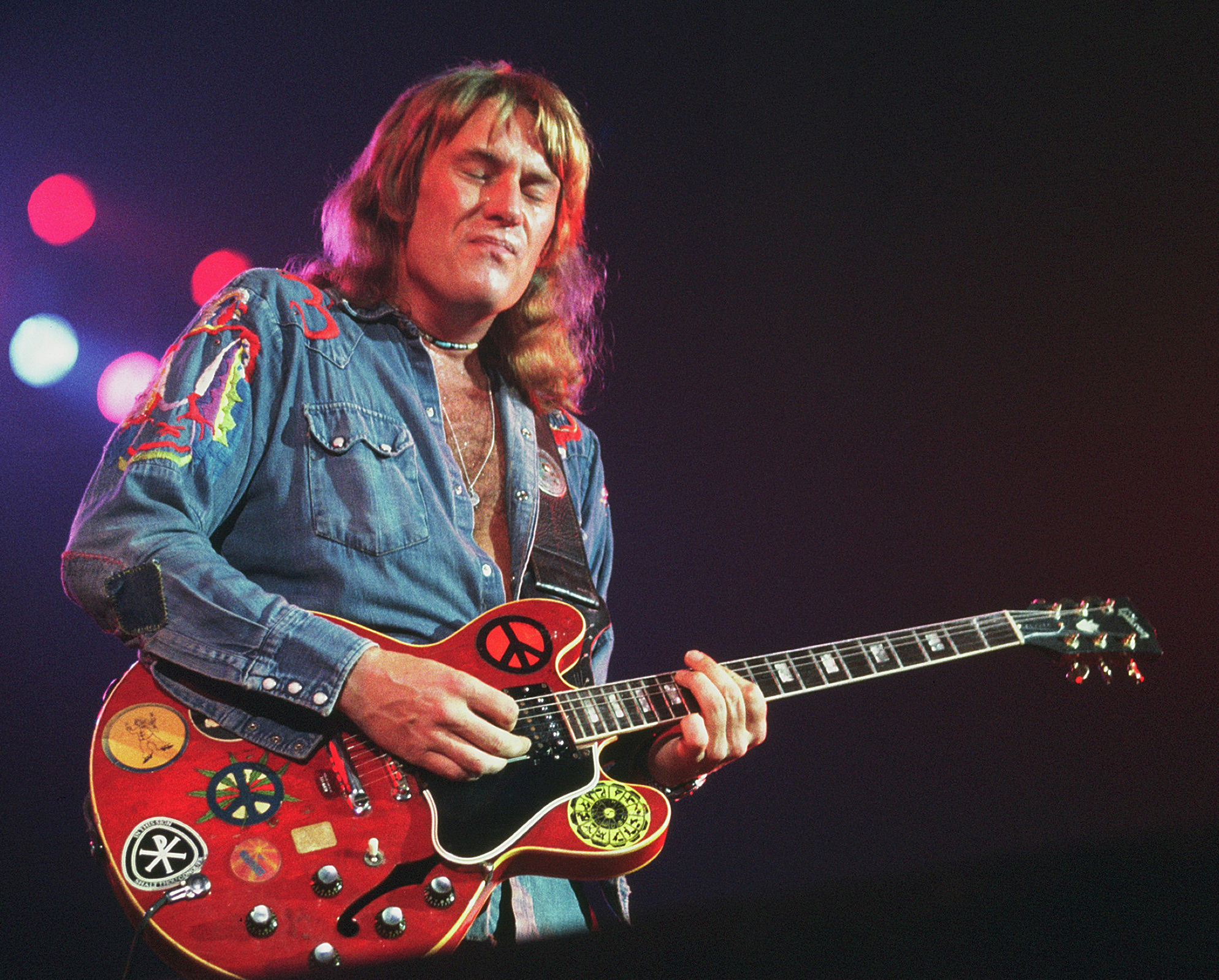 Graham Anthony Barnes (* 19. Dezember 1944 in Nottingham; † 6. März 2013 in Marbella (Spanien)[1]) mit Künstlername Alvin Lee war ein britischer Bluesrockgitarrist und -sänger.
Frühe Jahre
Alvin Lee stammte aus einer musikalischen Familie. Seine Eltern und seine Schwester spielten Country-Musik und traten gelegentlich als Gitarrentrio auf. Im Alter von zwölf Jahren erlernte er das Klarinettenspiel, ein Jahr später wechselte auch er zur Gitarre.
Mit 13 Jahren trat er dem Fanklub von Elvis Presley bei, um an Fotos von dessen Bandgitarristen Scotty Moore heranzukommen, mit dem er später dann zusammen auftreten sollte. Von da an spielte Lee in diversen Bands wie The Atomics, Jaymen, Jaybirds sowie auch bei Ivan Jay and the Jaycats, aus denen später die Band Ten Years After hervorgehen sollte. Anfang der 1960er Jahre übernahm Lee auch den Gesang. Zu dieser Zeit hatte er bereits einen längeren Auftritt im Hamburger Star-Club absolviert. Die Tatsache, dass dort kurz zuvor auch die Beatles aufgetreten waren, machte ihm etwas Angst. Alvin Lees Gitarrenstil war insbesondere auch durch Elemente aus dem Jazz geprägt.
Alvin Lee und Ten Years After
Berühmt wurde Alvin Lee mit Ten Years After, die mit ihrem energischen Bluesrock-Sound in der damaligen Rockszene tonangebend waren. Legendär geworden ist ihr Auftritt beim Woodstock-Festival. Der Konzertfilm zeigt die rasend schnell gespielten Gitarrenläufe in dem Zehn-Minuten-Stück I’m Going Home, ebenso die mit Peace-Zeichen versehene knallrote Gibson ES-335, die zu Lees Markenzeichen wurde. In Fachkreisen galt er als der schnellste Gitarrist der Welt. Ende der 1960er Jahre traf Lee einige Male mit Jimi Hendrix zusammen, dem insbesondere Lees Solo in dem Song I Can’t Keep from Crying gefiel und dem selbst etwas Ähnliches vorschwebte. Ten Years After existierten zunächst bis 1974; nach mehreren Phasen der sporadischen Zusammenarbeit gründeten drei Original-Bandkollegen Lees 2003 mit dem jungen Gitarristen Joe Gooch eine Neuauflage der Gruppe, die bis heute (2013) aktiv ist.[2]
Alvin Lee mit diversen Bands
Nach seiner Trennung von Ten Years After spielte Lee unter diversen Bandnamen wie Alvin Lee & Company oder Ten Years Later. Des Weiteren spielte er auch mit Mick Taylor und George Harrison, der auch auf dem Großteil seiner Soloalben zu hören ist. George Harrison war ebenfalls beteiligt, als Lee 1973, vor der Auflösung seiner Band Ten Years After, mit dem US-amerikanischen Gospelsänger Mylon LeFevre das Album On the Road to Freedom aufnahm. Ebenfalls an den Aufnahmen beteiligt waren Steve Winwood, Tim Hinkley, Ian Wallace, Ron Wood und Mick Fleetwood.
Späte Jahre
Zuletzt lebte Lee in Südspanien. 2012 veröffentlichte er das Album Still on the road to freedom, dessen Titel sich auf das Album von 1973 On the road to freedom bezieht, sein erstes Solo-Album nach Ten Years After.
Lee starb am 6. März 2013 an den Folgen eines chirurgischen Routineeingriffs.
 Alvin Lee (19 December 1944 – 6 March 2013) was an English guitarist and singer, best known as the lead guitarist and lead vocalist with the blues rock band Ten Years After.
Early life
He was born Graham Anthony Barnes in Nottingham[1] and attended the Margaret Glen-Bott School in Wollaton[2] which was a precursor to Comprehensive Schools with grammar and secondary modern streams.[3] He began playing guitar at the age of 13, and with Leo Lyons formed the core of the band Ten Years After in 1960. Influenced by his parents' collection of jazz and blues records, it was the advent of rock and roll that sparked his interest, and guitarists such as Chuck Berry and Scotty Moore provided his inspiration.[citation needed]
Career
Lee began to play professionally in 1962, in a band named the Jaybirds, who enjoyed popularity in their native England, but moved on to seek a wider fan-base. They began that year to perform in the Star-Club in Hamburg, Germany, following closely behind The Beatles. There, with Alvin Lee assuming the permanent role of lead vocalist in addition to that of lead guitarist, they began to build a following. It was not until the band moved to London in 1966 and changed its name, first to Jaybird, dropping 'The' and 's' to make it sound more contemporary; then to Blues Yard (for one gig at the Marquee Club); and finally to Ten Years After, that international success beckoned. The band secured a residency at the Marquee Club, and an invitation to the Windsor Jazz & Blues Festival in 1967 led to their first recording contract. The self-titled début album received airplay on San Francisco's underground music radio stations and was embraced by listeners, including concert promoter Bill Graham, who invited the band to tour the United States for the first time in 1968. Ten Years After would ultimately tour the US twenty-eight times in seven years – more than any other UK band.[citation needed]
Lee's performance at the Woodstock Festival was captured on film in the documentary of the event, and his 'lightning-fast' playing[4] helped catapult him to stardom.[5] Soon the band was playing arenas and stadiums around the globe. The film brought Lee's music to a worldwide audience, although he later lamented that he missed the lost freedom and spiritual dedication with his earlier public.[6]
Lee was named "the Fastest guitarist in the West", and considered a precursor to shred-style playing that would develop in the 1980s.[7]
Ten Years After had success, releasing ten albums together, but by 1973, Lee was feeling limited by the band's style. Moving to Columbia Records had resulted in a radio hit song, "I'd Love To Change the World", but Lee preferred blues-rock to the pop to which the label steered them. He left the group after their second Columbia LP. With American Christian rock pioneer Mylon LeFevre, along with guests George Harrison, Steve Winwood, Ronnie Wood and Mick Fleetwood, he recorded and released On the Road to Freedom, an acclaimed album that was at the forefront of country rock. Also in 1973 he sat in on the Jerry Lee Lewis double album The Session recorded in London featuring many other guest stars including Albert Lee, Peter Frampton and Rory Gallagher. A year later, in response to a dare, Lee formed Alvin Lee & Company to play a show at the Rainbow in London and released it as a double live album, In Flight. Various members of the band continued on with Lee for his next two albums, Pump Iron! and Let It Rock. In late 1975, he played guitar for a couple of tracks on Bo Diddley's The 20th Anniversary of Rock 'n' Roll all-star album. He finished out the 1970s with an outfit called "Ten Years Later", with Tom Compton on drums and Mick Hawksworth on bass, which released two albums, Rocket Fuel (1978) and Ride On (1979), and toured extensively throughout Europe and the United States.
The 1980s brought another change in Lee's direction, with two albums that were collaborations with Rare Bird's Steve Gould, and a tour with the former John Mayall and Rolling Stones' guitarist Mick Taylor joining his band.
Lee's overall musical output includes more than twenty albums, including 1985's Detroit Diesel, 1989's About Time (Ten Years After album), recorded in Memphis with producer Terry Manning, and the back to back 1990s collections of Zoom and Nineteen Ninety-Four (US title I Hear You Rockin' ). Guest artists on both albums included George Harrison.
In Tennessee, recorded with Scotty Moore and D. J. Fontana, was released in 2004. Lee's last album, Still on the Road to Freedom, was released in September 2012.
Lee died on 6 March 2013 in Spain.[8] According to his website, he died from "unforeseen complications following a routine surgical procedure".[9][10][11] He was 68. His former bandmates lamented his death. Leo Lyons called him "the closest thing I had to a brother", while Ric Lee (no relation) said "I don't think it's even sunk in yet as to the reality of his passing". Billboard highlighted such landmark performances as "I'm Going Home" from the Woodstock festival and his 1971 hit single "I'd Love to Change the World".
Moses Rascoe +06.03.1994

Moses
Rascoe got his first guitar in North Carolina at the age of 13 and
turned professional in Pennsylvania some 50-odd years later. In between,
he traveled the roads as a day laborer and truck driver, playing guitar
only for "a dollar or a drink," as he told Jack Roberts in Living
Blues. But he'd picked up plenty of songs over the years, from old
Brownie McGhee Piedmont blues to Jimmy Reed's '50s jukebox hits, and
when he retired from trucking at the age of 65, he gave his music a
shot. The local folk-music community took notice, as did blues and folk
festivals from Chicago to Europe. Rascoe recorded his first album live
at Godfrey Daniels, a Pennsylvania coffeehouse, in 1987.
Moses Rascoe - John Henry
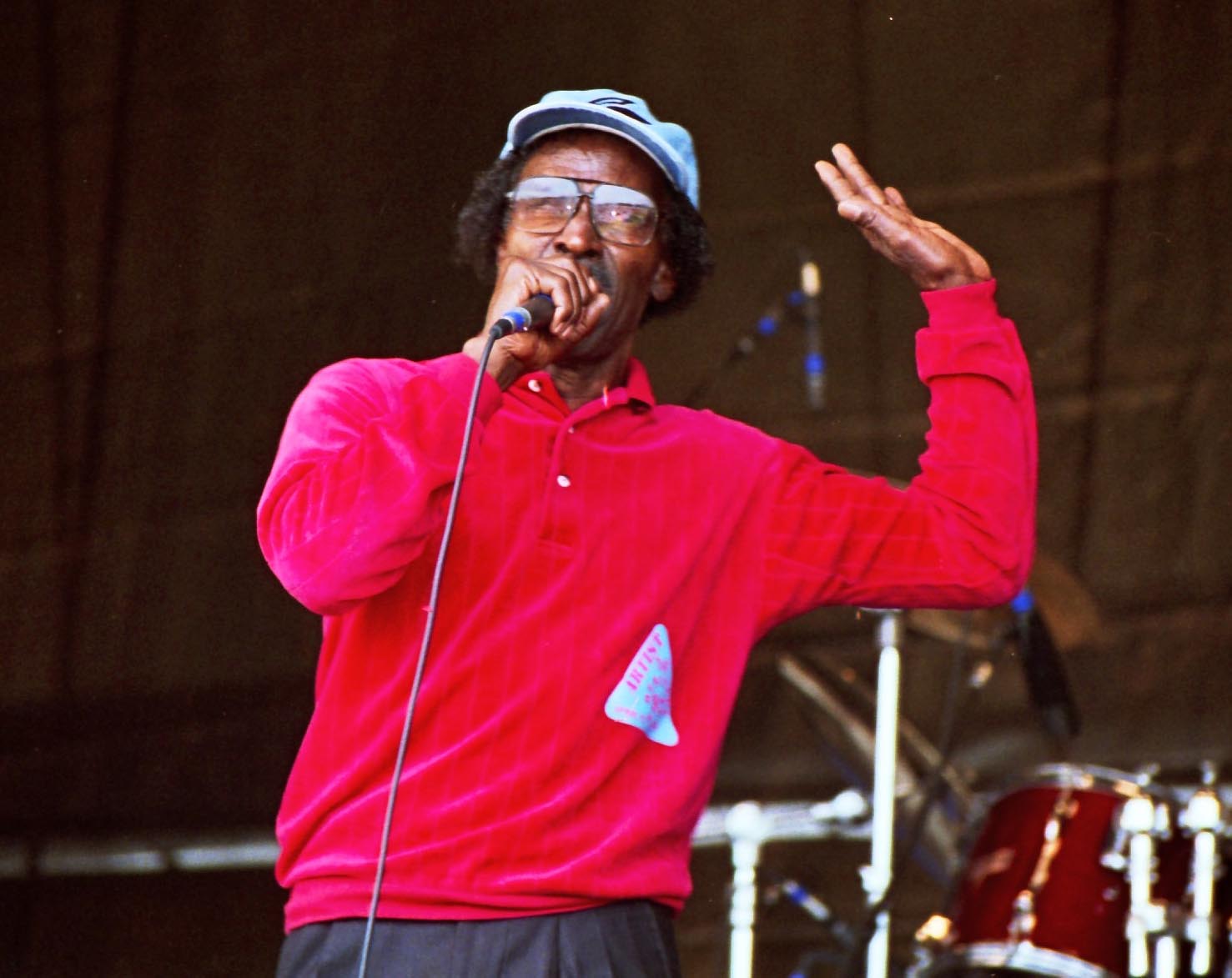
Johnny Williams +06.03.2006

Johnny Williams (May 15, 1906 - March 6, 2006) was an American Chicago-based blues guitar player and singer, who was one of the first of the new generation of electric blues players to record after World War II.
Early life and career
Williams was born in Alexandria, Louisiana, United States, to parents who were both musicians.[1] He was raised in Houston, Texas, and moved to Belzoni, Mississippi to live with his uncle Anthony Williams after his mother died around 1917. There he met local musicians such as the Chatmon brothers and Charley Patton (with whom his uncle played), and learned to play the guitar.[2] After traveling North during the 1920s, he returned to Belzoni around 1930, where he occasionally played locally.[1] Moving to Chicago in 1938,[1] he worked at first in the defense industry and later for Oscar Mayer.[3] By 1943 he was playing in clubs in the evenings while working as a meat packer in the daytime,[4] working with Theodore "Hound Dog" Taylor around 1944.[1] In 1944 he lost the end of a finger in a meat grinder and gave up playing the guitar for a year, until he saw Blind Arvella Gray, who was missing two fingers from his left hand, playing on Maxwell Street, and learned to play the guitar without the missing finger.[4] In the late 1940s Williams was once more playing on Maxwell Street and in clubs, often working with his cousin the mandolin player Johnny Young or with harmonica player Snooky Pryor and guitarists Floyd Jones and Moody Jones,[5] and with Little Walter, and had joined the Musicians' Union.[3] Around this time, he acquired the nickname "Uncle Johnny", by which he was known among his blues associates for the rest of his life.
Recordings
Williams's first recordings were made in 1947 with Johnny Young[6] and resulted in one of the two singles issued on the Ora-Nelle label. On one side of the record Young sang "Money Taking Woman" accompanied by Williams, while the other side featured Williams singing "Worried Man Blues".[7] In December 1948 Young and Williams were joined by Snooky Pryor to record a single for the Planet label.[3]
Williams continued to work in music into the 1950s, eventually joining Big Boy Spires's Rocket Four,[1] with whom he had his final recording session for Chance Records in 1953. The session resulted in a single released under Spires's name,[8] but the two tracks on which Williams sang were unreleased until the 1970s.[3]
Later career and death
After 1953 Williams continued to work with Hound Dog Taylor and others,[1] but stopped playing blues in 1959 after a religious conversion, and joined the Baptist church,[3] becoming an ordained minister in the early 1960s.[1]
Williams died in Chicago on March 6, 2006,[3] at the age of 99.
Blues musicians John Lee Hooker and Baby Boy Warren have also used the name Johnny Williams.
Early life and career
Williams was born in Alexandria, Louisiana, United States, to parents who were both musicians.[1] He was raised in Houston, Texas, and moved to Belzoni, Mississippi to live with his uncle Anthony Williams after his mother died around 1917. There he met local musicians such as the Chatmon brothers and Charley Patton (with whom his uncle played), and learned to play the guitar.[2] After traveling North during the 1920s, he returned to Belzoni around 1930, where he occasionally played locally.[1] Moving to Chicago in 1938,[1] he worked at first in the defense industry and later for Oscar Mayer.[3] By 1943 he was playing in clubs in the evenings while working as a meat packer in the daytime,[4] working with Theodore "Hound Dog" Taylor around 1944.[1] In 1944 he lost the end of a finger in a meat grinder and gave up playing the guitar for a year, until he saw Blind Arvella Gray, who was missing two fingers from his left hand, playing on Maxwell Street, and learned to play the guitar without the missing finger.[4] In the late 1940s Williams was once more playing on Maxwell Street and in clubs, often working with his cousin the mandolin player Johnny Young or with harmonica player Snooky Pryor and guitarists Floyd Jones and Moody Jones,[5] and with Little Walter, and had joined the Musicians' Union.[3] Around this time, he acquired the nickname "Uncle Johnny", by which he was known among his blues associates for the rest of his life.
Recordings
Williams's first recordings were made in 1947 with Johnny Young[6] and resulted in one of the two singles issued on the Ora-Nelle label. On one side of the record Young sang "Money Taking Woman" accompanied by Williams, while the other side featured Williams singing "Worried Man Blues".[7] In December 1948 Young and Williams were joined by Snooky Pryor to record a single for the Planet label.[3]
Williams continued to work in music into the 1950s, eventually joining Big Boy Spires's Rocket Four,[1] with whom he had his final recording session for Chance Records in 1953. The session resulted in a single released under Spires's name,[8] but the two tracks on which Williams sang were unreleased until the 1970s.[3]
Later career and death
After 1953 Williams continued to work with Hound Dog Taylor and others,[1] but stopped playing blues in 1959 after a religious conversion, and joined the Baptist church,[3] becoming an ordained minister in the early 1960s.[1]
Williams died in Chicago on March 6, 2006,[3] at the age of 99.
Blues musicians John Lee Hooker and Baby Boy Warren have also used the name Johnny Williams.

Worried
Man Blues : Johnny Williams