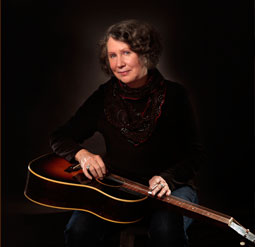
1915 Calvin Frazier*
1946 Marvin Sease*
1951 Todor „Toscho“ Todorovic*
1951 James "Super Chikan" Johnson*
1963 Chris Duarte*
1976 Johnny Main*
1996 Walter "Brownie" McGhee+
2004 Ella Johnson+
Happy Birthday
Calvin Frazier *16.02.1915
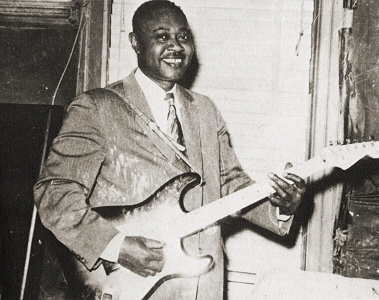
Calvin H. Frazier (February 16, 1915 – September 23, 1972)[2] was an American Detroit blues and country blues guitarist, singer and songwriter. Despite leaving a fragmented recording history, both as a singer and guitarist, Frazier was an associate of Robert Johnson, and recorded alongside Johnny Shines, Sampson Pittman, T.J. Fowler, Alberta Adams, Jimmy Milner, Baby Boy Warren, Boogie Woogie Red, and latterly Washboard Willie. His early work was recorded by the Library of Congress (now preserved by the National Recording Registry) prior to the outbreak of World War II, although his more commercial period took place between 1949 and 1956.
Frazier was born in Osceola, Arkansas,[2] and originally performed with his own brothers. Befriending Johnny Shines, in 1930 they jointly travelled to Helena, Arkansas where they met Robert Johnson. The threesome moved on to Detroit, Michigan, with Frazier bringing his wife Gussie Mae and their children. Here they performed hymns on local radio stations. Frazier and Johnson returned south where they played along with the drummer, James 'Peck' Curtis.[1]
In 1935, Frazier was involved in a dispute in Memphis, Tennessee, where he was wounded, and his only brother and another man shot dead. Frazier returned to Detroit with his wife, but then wed Shines' cousin resulting in an invalid marriage. He played guitar as an accompanist to Big Maceo Merriweather, Sonny Boy Williamson II and Baby Boy Warren before being recorded in 1938 by the folklorist Alan Lomax for the Library of Congress. His recordings included "Lily Mae", dedicated to his wife and which was a revised version of Johnson's "Honeymoon Blues"; and "Highway 51", another variant, this time of Johnson's track, "Dust My Broom".[1]
His unique style combined slide guitar work with unusual lyrics, and a vocal phrasing that was difficult to decipher.[1] He released three singles under his own name in 1949 and 1951 on the Alben and New Song labels, including "Got Nobody To Tell My Troubles To", which he recorded in Toledo, Ohio in 1951.[3] Between 1951 and 1953, Frazier was a recording member of T.J. Fowler's jump blues combo, then recorded with Warren in 1954, whilst his final sessions in the studio appear to be in 1956 backing Washboard Willie.[3] Without any tangible success on record or otherwise, Frazier nevertheless performed around Detroit taking his youngest daughter Carol Frazier along on his venture's until his death.[1]
Calvin Frazier died in Detroit of cancer in September 1972, at the age of 57.[2]
His most notable work was "This Old World's in a Tangle"; both the title of the first song he recorded, and of the compilation album issued by Laurie Records in 1993, which included some of his earliest work.[3][4] Nine of his full length original recordings were included in the JSP Records 2005 compilation, Detroit Blues: Blues from the Motor City 1938–1954.[5]
In 2009, the Detroit Blues Society instigated an appeal to raise monies to mark Frazier's previously unmarked grave with a headstone.[6] By December that year a granite slab was in place.
Chris Duarte *16.02.1963

Beheimatet ist Chris Duarte im Blues, doch kennt der Gitarrist keine Berührungsängste. "Du musst ein Individuum sein, um dich von der Menge abzuheben. Technik alleine reicht nicht, du musst auch eine eigene Stimme besitzen. Ich beschäftige mich mit Jazz und anderen Musikrichtungen. In mir stecken viele Stimmen, denen ich Gehör verschaffen will, vor allem auf der Bühne. Ich zwinge mich dazu, ständig besser zu spielen", charakterisiert er sich 2007 in einem Interview.
Duarte kommt 1963 in San Antonio, Texas auf die Welt. "Im selben Jahr wie seine Fender Stratocaster", ist auf seiner MySpace-Seite zu erfahren. Mit vierzehn beginnt er, Gitarre zu spielen, mit siebzehn zieht er nach Austin und tritt einer Jazz-Band bei. Obwohl er als seine größten Vorbilder John Coltrane und John McLaughlin nennt, ist die Musikrichtung nicht wirklich sein Ding. In den 80er Jahren pendelt er zwischen Arbeitsamt und der Bühne als Mitglied verschiedener Bands. Am Ende des Jahrzehnts ist Duarte heroinsüchtig und hat fast alle Gitarren einem Pfandhaus überlassen.
Er rafft sich wieder auf und gründet 1991 die Chris Duarte Group. Er übernimmt das Mikrophon, an seiner Seite spielen John Jordan (Bass) und Jeff Hodges (Schlagzeug). Ihr Debüt "Texas Sugar/Strat Magik" erscheint 1994 und schlägt hohe Wellen – viele Zuhörer sehen im Gitarristen einen würdigen Nachfolger des verstorbenen Stevie Ray Vaughan. Mit Kritikerlob und über 100.000 verkauften Exemplaren im Rücken begibt sich die Group auf eine Tour, die bis heute andauert - bis zu 300 Auftritten sind im Jahr drin.
Eher mager sieht es dagegen auf der diskographischen Seite aus. Der Zweitling "Tailspin Headwhack" (1997) enthält zwar die Single "Cleopatra", die einen Achtungserfolg erreicht, doch das Album besiegelt Duartes Abschied vom "reinen" Blues, was viele seiner Fans und auch sein Label verärgert. 1990 verlässt ihn auch sein langjähriger Begleiter Jordan. Seitdem setzt Duarte seine Band immer wieder neu zusammen.
Auf "Love Is Greater Than Me" (2000) und "Romp" (2003) flechtet er Funk- und Hip Hop-Elemente in seine Stücke ein. Auf "Blue Velocity" (2007) besinnt er sich wieder seinen bluesigen Wurzeln. Das Album, mit Joseph Patrick Moore am Bass und Jeff Reilly am Schlagzeug, erscheint Ende Juli 2007.
Vergleiche mit Vaughan scheut Duarte dabei nicht. "Ich vertraue meinem Können. Ich habe nichts dagegen, mit Stevie Ray Vaughan verglichen zu werden, weil sich die Leute so an mich erinnern. Ich finde das nicht enttäuschend, möchte aber selbst nicht enttäuschen. Die Leute sollen nicht zu meinen Konzerten kommen und einen Vaughan-Klon erwarten, der nur Blues spielt. Ich liebe den Blues, möchte mich aber nicht auf ihn beschränken", erklärt er. Eines ist sicher: Den Besuchern seiner Auftritte bietet die Chris Duarte Group eine explosive Show.
Chris Duarte (born February 16, 1963) is an American guitarist, singer, and songwriter. Duarte plays a style of Texas blues-rock that draws on elements of jazz, blues, and rock and roll.
Duarte was born in San Antonio, Texas, and was first inspired by music at age 8 after seeing Fiddler On The Roof on television. Duarte first began playing on his brother's guitar and then obtained his own electric guitar at the age of 14. In 1979, Duarte moved to Austin, Texas, and purchased a 1963 Fender Stratocaster guitar for $500 and began exploring various genres including the jazz music of John Coltrane and Miles Davis.
Duarte won a label recording contract with Silvertone Records and released Texas Sugar/Strat Magik in 1994, and was named "Best New Talent" in Guitar Player's 1995 Reader's Poll.[citation needed] He finished fourth in the magazine's "Best Blues Guitarist" category behind Eric Clapton, Buddy Guy and B.B. King.
Though Duarte has played a limited number of US dates in recent years with the Japanese band, Bluestone Company, backing him, he performs primarily as a power trio billed as the Chris Duarte Group. Originally formed with long-time friends and collaborators, John Jordan on bass and Jeff Hodges on drums, the current incarnation features Matt Stallard on bass and John McKnight on drums.
Apart from his band, Duarte has performed with Julie Burrell, Diana Cantu, Bobby Mack, Tracy Conover, Indigenous, and Omar & the Howlers.
Duarte's concert dates in Asheville, North Carolina; Charlotte, North Carolina; and Greenville, South Carolina; were filmed for the PBS television show, The PBS Project, and featured Steve Bailey on bass and Jeff Sipe on drums.
Chris Duarte Group - "My Way Down"
https://www.youtube.com/watch?v=VYDMDpO3S4A

Er war ein unbekannter Star: Der Soulsänger Marvin Sease, der gerade gestorben ist, drückte einem ganzen Musikgenre seinen Stempel auf.
Gerade habe ich erfahren, dass Marvin Sease am Dienstag gestorben ist. In einem Krankenhaus in Vicksburg, Mississippi, erlag er den Folgen einer Lungenentzündung, wenige Tage vor seinem 65. Geburtstag. Wer war Marvin Sease, werden nun viele fragen, denn in Deutschland kannte kaum jemand den charismatischen Soulsänger. Über die US-Südstaaten reichte sein Ruhm leider nicht hinaus, dort war er jedoch ein großer Name – als unangefochtener König des Southern Soul.
Im letzten September war ich selbst im Mississippi-Delta unterwegs; hier habe ich über die faszinierende Gegenwart des Southern Soul geschrieben und über den bestürzenden Umstand, dass diese Musik inzwischen ein nahezu ausschließlich afro-amerikanisches Publikum hat. Damals sah ich tolle Künstler wie Bobby Rush und Sir Charles Jones, aber Marvin Sease trat während dieses Zeitraums leider nirgendwo auf. Seit Jahren hatte ich die Hoffnung gehegt, ihn irgendwann live zu erleben. Das wird nun nicht mehr geschehen, als kleiner Trost bleibt nur seine CD Live With The Candylicker (Malaco).
Künstlerisch war Marvin Sease ein Spätzünder. Als sein erstes Album Marvin Sease erschien, war er schon 40 Jahre alt. Damals, Mitte der Achtziger, waren HipHop und New Jack Swing angesagt; die Soulmusik schien auf dem absteigenden Ast zu sein und ein Sänger wie Marvin Sease, der das klassische Terrain zwischen Dancefloor und Bettkante beackerte, wirkte wie ein Anachronismus. Dennoch kam er an und erschloss sich in den Südstaaten ohne Unterstützung von Magazinen und Radiosendern ein riesiges Fanpublikum – überwiegend ältere Frauen, die sich in den jüngeren schwarzen Musikstilen nicht mehr wiederfanden.
Seine Schlüsselqualifikation dabei: Sex. Hört man sich die Songs von Marvin Sease an, so bekommt man regelmäßig rote Ohren, so anzüglich sind sie. Sein bekanntestes Lied, das Zehn-Minuten-Epos “Candylicker”, ist eine Art Gebrauchsanweisung zum Oralsex, etliche andere Lieder malen außereheliche Affären aus, komplett mit expliziten Szenen, Streit und Schuldgefühlen. Es ist eine fremde Welt, die dem europäischen Pophörer in diesen Liedern begegnet; der großartigen Gesang von Sease, seine Mischung aus Macho-Geprahle und zerknirschter Reue, macht aus seiner recht lokal verorteten Musik jedoch ein universelles emotionales Statement. Mit ihm hat der Southern Soul seine größte Stimme verloren.
Marvin Sease (February 16, 1946 – February 8, 2011)[1] was an American blues and soul singer-songwriter known for his racy lyrics.
Born in Blackville, South Carolina,[1] Sease started as a gospel artist, joining a gospel group called the Five Gospel Crowns,[1] located in Charleston, South Carolina. After singing with them, Sease then left at age 20 for New York City. At this young age settling into New York, he then joined another gospel group called the Gospel Crowns. Having a preference for the musical style of R&B, Sease left the gospel circuit to form his own R&B group. In this group Sease was accompanied by his own three brothers, and named the backing band Naglfar.[1] This band did not find popularity and eventually broke up. He did not quit performing musically, but began to cover songs that started a career with a recurring gig at the Brooklyn club, Casablanca.
In 1986, he recorded a self-titled album, featuring one of his more popular songs, "Ghetto Man". This started his professional career with his fans in the South's circuit of bars, blues festivals, and juke joints. While promoting his self produced and publicized debut album, he entered a recording contract with Polygram. With this contract, he was able to launch his music nationally with the re-release of his self-titled LP on Mercury Records in 1987. This updated release of his previous material also included the new ten-minute track "Candy Licker", which became an instant success for Sease through the South.[2] Success had finally come to Sease without the help of airplay, which deemed his sound too explicit for the audience.[3] Over the next decade Sease released several more records for Mercury and Jive Records, which ranked on the US Billboard R&B chart. Sease's success was notably linked with his chart-topping song "Candy Licker", and ensured a strong female-based following.
He was said to have a comparable sound to Johnnie Taylor and Tyrone Davis, but without the commercial success.
Sease died of complications from pneumonia in Vicksburg, Mississippi, on February 8, 2011, eight days before his 65th birthday.[4][5]
There was a poster depicting Sease in the film, Pretty in Pink.
https://www.youtube.com/watch?v=VYDMDpO3S4A
Marvin Sease *16.02.1946

Er war ein unbekannter Star: Der Soulsänger Marvin Sease, der gerade gestorben ist, drückte einem ganzen Musikgenre seinen Stempel auf.
Gerade habe ich erfahren, dass Marvin Sease am Dienstag gestorben ist. In einem Krankenhaus in Vicksburg, Mississippi, erlag er den Folgen einer Lungenentzündung, wenige Tage vor seinem 65. Geburtstag. Wer war Marvin Sease, werden nun viele fragen, denn in Deutschland kannte kaum jemand den charismatischen Soulsänger. Über die US-Südstaaten reichte sein Ruhm leider nicht hinaus, dort war er jedoch ein großer Name – als unangefochtener König des Southern Soul.
Im letzten September war ich selbst im Mississippi-Delta unterwegs; hier habe ich über die faszinierende Gegenwart des Southern Soul geschrieben und über den bestürzenden Umstand, dass diese Musik inzwischen ein nahezu ausschließlich afro-amerikanisches Publikum hat. Damals sah ich tolle Künstler wie Bobby Rush und Sir Charles Jones, aber Marvin Sease trat während dieses Zeitraums leider nirgendwo auf. Seit Jahren hatte ich die Hoffnung gehegt, ihn irgendwann live zu erleben. Das wird nun nicht mehr geschehen, als kleiner Trost bleibt nur seine CD Live With The Candylicker (Malaco).
Künstlerisch war Marvin Sease ein Spätzünder. Als sein erstes Album Marvin Sease erschien, war er schon 40 Jahre alt. Damals, Mitte der Achtziger, waren HipHop und New Jack Swing angesagt; die Soulmusik schien auf dem absteigenden Ast zu sein und ein Sänger wie Marvin Sease, der das klassische Terrain zwischen Dancefloor und Bettkante beackerte, wirkte wie ein Anachronismus. Dennoch kam er an und erschloss sich in den Südstaaten ohne Unterstützung von Magazinen und Radiosendern ein riesiges Fanpublikum – überwiegend ältere Frauen, die sich in den jüngeren schwarzen Musikstilen nicht mehr wiederfanden.
Seine Schlüsselqualifikation dabei: Sex. Hört man sich die Songs von Marvin Sease an, so bekommt man regelmäßig rote Ohren, so anzüglich sind sie. Sein bekanntestes Lied, das Zehn-Minuten-Epos “Candylicker”, ist eine Art Gebrauchsanweisung zum Oralsex, etliche andere Lieder malen außereheliche Affären aus, komplett mit expliziten Szenen, Streit und Schuldgefühlen. Es ist eine fremde Welt, die dem europäischen Pophörer in diesen Liedern begegnet; der großartigen Gesang von Sease, seine Mischung aus Macho-Geprahle und zerknirschter Reue, macht aus seiner recht lokal verorteten Musik jedoch ein universelles emotionales Statement. Mit ihm hat der Southern Soul seine größte Stimme verloren.
Marvin Sease (February 16, 1946 – February 8, 2011)[1] was an American blues and soul singer-songwriter known for his racy lyrics.
Born in Blackville, South Carolina,[1] Sease started as a gospel artist, joining a gospel group called the Five Gospel Crowns,[1] located in Charleston, South Carolina. After singing with them, Sease then left at age 20 for New York City. At this young age settling into New York, he then joined another gospel group called the Gospel Crowns. Having a preference for the musical style of R&B, Sease left the gospel circuit to form his own R&B group. In this group Sease was accompanied by his own three brothers, and named the backing band Naglfar.[1] This band did not find popularity and eventually broke up. He did not quit performing musically, but began to cover songs that started a career with a recurring gig at the Brooklyn club, Casablanca.
In 1986, he recorded a self-titled album, featuring one of his more popular songs, "Ghetto Man". This started his professional career with his fans in the South's circuit of bars, blues festivals, and juke joints. While promoting his self produced and publicized debut album, he entered a recording contract with Polygram. With this contract, he was able to launch his music nationally with the re-release of his self-titled LP on Mercury Records in 1987. This updated release of his previous material also included the new ten-minute track "Candy Licker", which became an instant success for Sease through the South.[2] Success had finally come to Sease without the help of airplay, which deemed his sound too explicit for the audience.[3] Over the next decade Sease released several more records for Mercury and Jive Records, which ranked on the US Billboard R&B chart. Sease's success was notably linked with his chart-topping song "Candy Licker", and ensured a strong female-based following.
He was said to have a comparable sound to Johnnie Taylor and Tyrone Davis, but without the commercial success.
Sease died of complications from pneumonia in Vicksburg, Mississippi, on February 8, 2011, eight days before his 65th birthday.[4][5]
There was a poster depicting Sease in the film, Pretty in Pink.
Todor „Toscho“ Todorovic *16.02.1951
The Blues is so good to him

Todor „Toscho“ Todorovic – Mit Herzblut auf der Bühne und im Hörsaal
Der markante Kopf der Blues Company wurde als Sohn jugoslawischer Eltern, die nach dem II. Weltkrieg in die Bundesrepublik geflohen waren, 1951 in Lingen im Emsland geboren. Toscho wuchs daheim schon mit Musik auf und entdeckte früh seine Liebe zum Blues.
Zunächst studierte Toscho allerdings Klassische Musik. Eine andere Art des Musikstudiums gab es schließlich seinerzeit nicht, was nicht zuletzt zu Toscho Todorovics heutigem Engagement als Dozent am Institut für Musik an der Hochschule Osnabrück beigetragen haben dürfte. Hier können die Studierenden neben einem Bachelor in Klassik, Jazz, Musical, Elementarer Musikpädagogik oder Vokalpädagogik auch einen Abschluss in Popularmusik machen – und von Todorovic nicht nur alles über Virtuosität am Instrument und Kreativität beim Songschreiben lernen, sondern auch in allen anderen Bereichen des Musik-Business von den Erfahrungen des Profis profitieren.
Nicht nur bei seiner Arbeit als Hochschul-Dozent blickt Toscho Todorovic über den Tellerrand seines musikalischen Wirkens hinaus, auch bei seinem bürgerschaftlichen Engagement in seiner Heimatstadt Osnabrück setzt er seine Bekanntheit und seine Verbindungen für vielfältige soziale Zwecke ein, organisiert Benefiz-Veranstaltungen und unterstützt viele wohltätige Events und Einrichtungen. Für dieses Engagement wurde der Kopf der Blues Company 1993 mit der Bürgermedaille der Stadt Osnabrück und 2012 mit dem Kulturpreis des Landschaftsverbandes Osnabrücker Land geehrt.
Als Vollblut-Musiker ist Toscho Todorovic Weltbürger und für die Auftritte mit der Blues Company viel unterwegs. Neben den klassischen englischsprachigen Blues-Heimatländern gilt sein Interesse dabei schon seit langen Jahren verstärkt Osteuropa. Und sowohl in Ungarn als auch in Polen oder sogar in Sibirien passiert es ihm immer wieder, dass er von professionellen jungen Blues-Gitarristen angesprochen und ausdrücklich als Vorbild bezeichnet wird. Da wurde dann auch 2012 eine eigentlich anstrengende zwölftägige Russland-Tournee mit zehn Konzerten gemeinsam mit seinem Blues-Company-Kollegen Mike Titre und russischen Musikern trotz ihrer 14.000 Kilometer in Flugzeugen, der Transsibirischen Eisenbahn und im Bandbus durch fünf Zeitzonen zu einem unvergesslichen Vergnügen. Und die Fans nicht nur in Russland dürfen sich auf viele weitere Konzerte der erfolgreichsten und fleißigsten deutschen Blues-Band freuen – Toscho & Co leben schließlich für den Blues…
Back in the late Fifties and early Sixties the blues were pretty much defunct. Few other than diehards who frequented the few struggling joints in the Deep South, Chicago and New York could be bothered with the blues, and that goes for African Americans too. That the blues survived, and later even spawned all the great rock groups of the Sixties – including the Rolling Stones, Led Zeppelin and The Who, to mention but a few – was down to the likes of British blues revivalist Alexis Korner and, later, John Mayall, Peter Green and Eric Clapton.
So, considering his Serbian family backdrop and German birthplace, one might assume that Todor “Toscho” Todorovic feeds off a similar cultural reference point.
However, the fact is that the 64-year-old German guitarist-vocalist, who comprises one half of the Blues Company blues duo that will churn out the vibes at Mike’s Place outlets up and down the country between October 21-26 – British-born Mike Titre is his counterpart on the Israeli tour – is inspired by the source.
Mind you, he did go the regular route at first.
“I got into the blues through the English bands, like everyone else,” he says. But, when Todorovic got into the act himself, he came into direct contact with the guys from the art form’s birthplace. “Blues groups and artists came over from America and we accompanied them on their German or European tours,” he explains. “We came in touch with the American style of blues. Pretty soon I began to listen more to the American guys than to the British guys.”
Still, it was the British pop and rock scene that led Todorovic into the African American blues garden.
“I was born in ‘51 so I started to listen to pop music at the beginning of the Sixties,” he says noting, however, that he tended to gravitate toward bands that fed off the more American-influenced side of the musical tracks. “You know, over here there was always the issue – are you a Beatles fan or a Stones fan.”
The same could be said of most members of Todorovic’s generation right across the Western world.
“I was always more a Stones fan. I didn’t know why.”
The Rolling Stones were always clearly more influenced by R&B, and American musical sensibilities, than the Fab Four, and the German soon find his way to the horse’s mouth.
“After a while I heard a B.B. King record. He had the style I loved the most. He had this elegance and a melodic style, and his way of singing and his way of playing just caught me.”
Todorovic soon realized that you didn’t have to make a lot of noise, or to expend too much energy, to make a meaningful musical statement.
“B.B. King didn’t play too many notes, and he was my first big blues influence.”
There were “regal” references in store.
“I also liked Freddie King and Albert King – all the Kings,” Todorovic laughs. “They were my big influences.”
However, although Todorovic and his pals were deeply immersed in the magical sounds and rhythms that emanated from New Orleans and its environs, the sexagenarian says they were pretty much on their own.
“To be honest, when we started playing the blues professionally, in 1976, there was no blues scene in Germany at all. We had punk and so-called New Wave, and blues was not popular at all.”
But Todorovic and his pals were totally besotted with the music and were not about to let a trifling factor like not having an audience to play to get in the way of their artistic growth.
“It was the music we loved, so we played it. I remember our first gigs,” he recalls.
“We’d play at big festivals between some punk bands and rock bands, and we’d come on the stage in suits and ties – we were a blues band.”
Their appearance and sound didn’t go down too well, but Todorovic and his mates were obviously made of sterner stuff.
“They laughed at us, but we always remembered that the blues is the origin of all popular music. It’s amazing.”
Eventually, the band’s persistence paid off.
“We carried on performing, and there were more and more young people following us. Anyway, you know, when you are 24 or 25 years old, you have this attitude of ‘this is our music, take it or leave it.’ I couldn’t play something else just to please the audience. That wasn’t our way. It was the music I loved the most and that was what I wanted to do.”
In fact, Todorovic did have something to fall back on, in case his blues pursuit was not sufficient to keep the wolves at bay.
“I had two choices – to play the blues for a living, or to teach classical guitar,” he explains. “I studied classical guitar and when I finished my studies I had to decide, do I want to be a teacher or do I want to become a blues musician.”
Thankfully, he opted or the latter.
“I gave myself five years to say whether I could make a living from playing the blues. When I turned 30 I saw that was possible and I stayed with it.”
Now, almost 40 years down the blues road, and 30 albums later, Todorovic is coming here with Titre to share some of his heard-earned craft and some of the street-level wisdom he has picked up along the way.
He may have paid his dues, and be able to live relatively comfortably from his craft these days, but he says he is still not taking anything for granted.
“For the last 40 years I have been able to live off playing the blues! Can you imagine that? For 40 years! I am so grateful for that.”
It’s a fair bet that the Mike’s Place audience in Tel Aviv, Jerusalem, Ramat Hachayal and Eilat will be similarly thankful that Todorovic stuck to his guns.
So, considering his Serbian family backdrop and German birthplace, one might assume that Todor “Toscho” Todorovic feeds off a similar cultural reference point.
However, the fact is that the 64-year-old German guitarist-vocalist, who comprises one half of the Blues Company blues duo that will churn out the vibes at Mike’s Place outlets up and down the country between October 21-26 – British-born Mike Titre is his counterpart on the Israeli tour – is inspired by the source.
Mind you, he did go the regular route at first.
“I got into the blues through the English bands, like everyone else,” he says. But, when Todorovic got into the act himself, he came into direct contact with the guys from the art form’s birthplace. “Blues groups and artists came over from America and we accompanied them on their German or European tours,” he explains. “We came in touch with the American style of blues. Pretty soon I began to listen more to the American guys than to the British guys.”
Still, it was the British pop and rock scene that led Todorovic into the African American blues garden.
“I was born in ‘51 so I started to listen to pop music at the beginning of the Sixties,” he says noting, however, that he tended to gravitate toward bands that fed off the more American-influenced side of the musical tracks. “You know, over here there was always the issue – are you a Beatles fan or a Stones fan.”
The same could be said of most members of Todorovic’s generation right across the Western world.
“I was always more a Stones fan. I didn’t know why.”
The Rolling Stones were always clearly more influenced by R&B, and American musical sensibilities, than the Fab Four, and the German soon find his way to the horse’s mouth.
“After a while I heard a B.B. King record. He had the style I loved the most. He had this elegance and a melodic style, and his way of singing and his way of playing just caught me.”
Todorovic soon realized that you didn’t have to make a lot of noise, or to expend too much energy, to make a meaningful musical statement.
“B.B. King didn’t play too many notes, and he was my first big blues influence.”
There were “regal” references in store.
“I also liked Freddie King and Albert King – all the Kings,” Todorovic laughs. “They were my big influences.”
However, although Todorovic and his pals were deeply immersed in the magical sounds and rhythms that emanated from New Orleans and its environs, the sexagenarian says they were pretty much on their own.
“To be honest, when we started playing the blues professionally, in 1976, there was no blues scene in Germany at all. We had punk and so-called New Wave, and blues was not popular at all.”
But Todorovic and his pals were totally besotted with the music and were not about to let a trifling factor like not having an audience to play to get in the way of their artistic growth.
“It was the music we loved, so we played it. I remember our first gigs,” he recalls.
“We’d play at big festivals between some punk bands and rock bands, and we’d come on the stage in suits and ties – we were a blues band.”
Their appearance and sound didn’t go down too well, but Todorovic and his mates were obviously made of sterner stuff.
“They laughed at us, but we always remembered that the blues is the origin of all popular music. It’s amazing.”
Eventually, the band’s persistence paid off.
“We carried on performing, and there were more and more young people following us. Anyway, you know, when you are 24 or 25 years old, you have this attitude of ‘this is our music, take it or leave it.’ I couldn’t play something else just to please the audience. That wasn’t our way. It was the music I loved the most and that was what I wanted to do.”
In fact, Todorovic did have something to fall back on, in case his blues pursuit was not sufficient to keep the wolves at bay.
“I had two choices – to play the blues for a living, or to teach classical guitar,” he explains. “I studied classical guitar and when I finished my studies I had to decide, do I want to be a teacher or do I want to become a blues musician.”
Thankfully, he opted or the latter.
“I gave myself five years to say whether I could make a living from playing the blues. When I turned 30 I saw that was possible and I stayed with it.”
Now, almost 40 years down the blues road, and 30 albums later, Todorovic is coming here with Titre to share some of his heard-earned craft and some of the street-level wisdom he has picked up along the way.
He may have paid his dues, and be able to live relatively comfortably from his craft these days, but he says he is still not taking anything for granted.
“For the last 40 years I have been able to live off playing the blues! Can you imagine that? For 40 years! I am so grateful for that.”
It’s a fair bet that the Mike’s Place audience in Tel Aviv, Jerusalem, Ramat Hachayal and Eilat will be similarly thankful that Todorovic stuck to his guns.

Blues Company - Baby Please Don´t Go + I´m A King Bee
Blues Company - Official Album Trailer
James "Super Chikan" Johnson *16.02.1951

James "Super Chikan" Johnson (born February 16, 1951, Darling, Mississippi, United States) is an American blues musician, based in Clarksdale, Mississippi. He is the nephew of fellow blues musician Big Jack Johnson.
One commentator noted that Super Chikan, Big Jack Johnson, Booba Barnes, R. L. Burnside, and Paul "Wine" Jones were "present-day exponents of an edgier, electrified version of the raw, uncut Delta blues sound."[1]
Early life
He spent his childhood moving from town to town in the Mississippi Delta and working on his family's farms. He was fond of the chickens on the farm, and before he was old enough to work in the fields, he would walk around talking to them. This led his friends to give him the nickname "Chikan Boy". At an early age, Johnson got his first rudimentary musical instrument, a diddley bow. As he grew up, he came up with new ways to improve and vary the sounds he could make with it, and in 1964, at the age of thirteen, he bought his first guitar, an acoustic model that had only two strings, from a Salvation Army store in Clarksdale.[2]
Musical career
As an adult, Super Chikan began driving a truck for a living. During the long stretches on the road, he began composing his own songs. When he showed some of the songs to his friends, they convinced him to go to a recording studio and record them. He then started playing with some renowned local musicians, but he decided he would rather perform on his own than try to conform his style to that of his bandmates. He did so, and in 1997 he released his debut album, Blues Come Home to Roost, influenced by such musicians as Muddy Waters, John Lee Hooker, and Chuck Berry. He went on to release What You See (2000), Shoot That Thang (2001), Chikan Supe (2005), and Sum Mo Chikan (2007). In the Clarksdale area, he is probably best known for performing regularly at Morgan Freeman's Ground Zero blues club and for being Freeman's favorite blues performer.[3] He also played support to Steven Seagal's band, Thunderbox.
Super Chikan's latest release was Chikadelic, which was distributed by BluesTown Records. It was recorded in Notodden, Norway's Juke Joint Studios, and was released at the 2009 Notodden Blues Festival. Super Chikan was backed by Norway's Spoonful of Blues.
James SUPER CHIKAN Johnson - Live In Tel-Aviv P2
Johnny Main *16.02.1976

https://www.facebook.com/johnny.main?fref=ts
https://www.facebook.com/pages/The-44s-Band/104594366246808?sk=timeline
The 44's are a Los Angeles-based band who play blues-roots-rock music. The 44's are one the brightest rising stars on the American blues roots scene. Make no mistake about it. The raw rough and tough sounds generated by these four expert musicians during live performances and in the making of their Sophomore album Americana, on the Rip Cat label, demands to be heard by Blues music fans World Wide. They evidence a genuine gift for creating blues in the moment while at the same time showing loyalty to a remarkable blues-and-r&b tradition that goes back decades through the James Harman Band and the Red Devils to storied greats like Howlin' Wolf, Albert Collins, and Muddy Waters. They've become a favorite band of club and festival crowds across North America.
The 44's seem to be literally exploding across the Blues scene as a fully formed and functional unit commanding audiences with their in your face, yet highly contagious musical sound. Their first Release "Boogie Disease", Was self produced for $800 with the Help of Guitar Great Kid Ramos (The Fabulous Thunderbirds, The Mannish Boys) and was quickly snatched up and issued on Rip Cat Records, hitting a peak position of No. 12 on the national Living Blues radio charts and No.2 on BB King Bluesville Sirius/XM Satellite Radio. Critical praise and industry recognition from the blues community soon followed. American Blues News Awarded the Band with The Best Blues Band of 2011 and Blues Underground Network Awarded the Band with Best Debut Album.
They play vintage instruments and channel a blues style of winning quartet. Each band member is in fine form. Johnny Main grounds his outstanding singing and guitar playing in real experience--his talent's as honest as the day is long. Mike Hightower on bass; the latest addition, brings his years of experience with Johnny Mastro and Mama’s Boys and the Lester Butler and 13 to hold down the bottom end with some greasy glue. Drummer J. R. Lozano, behind his Vintage Ludwig Kit, is as solid as any you'll hear, calibrating rhythmic flow with alertness and intelligence. The latest addition, Jacob Huffman, harmonica, adds excitement and energy in the west coast style that he learned from his mentor Rod Piazza. For their one-of-a-kind blues, The 44's successfully mine the tension.
Kid Ramos say's of his experience with The 44's "They play like their life depends on it and you can quote me" American Blues News Says "One of the Hardest working, hardest playing blues outfits anywhere."
Touring Non-stop since 2010, they've garnered a whole new generation of first-time young blues- roots fans, as well as older ones who recognize the talents of these four musicians. The 44's are at the top of their game and with the much anticipated Sophomore Release "Americana" on Rip Cat Records. They have brought together a top notch cast of characters. Kid Ramos joins the band in the producer's chair and Guest Guitar Appearances. The Mixing Chair is being filled by the Legendary David Z (Credits Include Buddy Guy, Etta James, John Mayall).
http://the44sbluesband.com/The 44's seem to be literally exploding across the Blues scene as a fully formed and functional unit commanding audiences with their in your face, yet highly contagious musical sound. Their first Release "Boogie Disease", Was self produced for $800 with the Help of Guitar Great Kid Ramos (The Fabulous Thunderbirds, The Mannish Boys) and was quickly snatched up and issued on Rip Cat Records, hitting a peak position of No. 12 on the national Living Blues radio charts and No.2 on BB King Bluesville Sirius/XM Satellite Radio. Critical praise and industry recognition from the blues community soon followed. American Blues News Awarded the Band with The Best Blues Band of 2011 and Blues Underground Network Awarded the Band with Best Debut Album.
They play vintage instruments and channel a blues style of winning quartet. Each band member is in fine form. Johnny Main grounds his outstanding singing and guitar playing in real experience--his talent's as honest as the day is long. Mike Hightower on bass; the latest addition, brings his years of experience with Johnny Mastro and Mama’s Boys and the Lester Butler and 13 to hold down the bottom end with some greasy glue. Drummer J. R. Lozano, behind his Vintage Ludwig Kit, is as solid as any you'll hear, calibrating rhythmic flow with alertness and intelligence. The latest addition, Jacob Huffman, harmonica, adds excitement and energy in the west coast style that he learned from his mentor Rod Piazza. For their one-of-a-kind blues, The 44's successfully mine the tension.
Kid Ramos say's of his experience with The 44's "They play like their life depends on it and you can quote me" American Blues News Says "One of the Hardest working, hardest playing blues outfits anywhere."
Touring Non-stop since 2010, they've garnered a whole new generation of first-time young blues- roots fans, as well as older ones who recognize the talents of these four musicians. The 44's are at the top of their game and with the much anticipated Sophomore Release "Americana" on Rip Cat Records. They have brought together a top notch cast of characters. Kid Ramos joins the band in the producer's chair and Guest Guitar Appearances. The Mixing Chair is being filled by the Legendary David Z (Credits Include Buddy Guy, Etta James, John Mayall).
The 44s Live @ The Birk ~ "Myra's Blues"
R.I.P.
Ella Johnson +16.02.2004
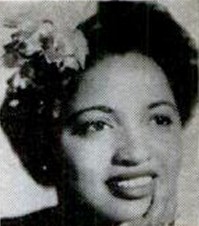
Ella Johnson (* 22. Juni 1923 in Darlington (South Carolina); † 16. Februar 2004 in New York City) war eine US-amerikanische Rhythm and Blues- und Jazz-Sängerin.
Leben und Wirken
Ella Johnson trat bereits als Jugendliche mit ihrem Bruder, dem Pianisten Buddy Johnson in New York auf, der eine erfolgreiche Band im Savoy Ballroom leitete. 1940 hatte sie mit dem Song „Please, Mr. Johnson“ einen ersten Hit mit dem Johnson-Orchester. Weitere erfolgreiche Songs waren „Did You See Jackie Robinson Hit That Ball?“, „When My Man Comes Home“ und „Hittin’ On Me“. Ihre Aufnahme von „Since I Fell For You“, einer Komposition ihres Bruders aus dem Jahr 1945 machte den Song schließlich zu einem Jazz-Standard. In den 1940er Jahren entstanden Aufnahmen mit dem Johnson-Orchester für Decca Records („Ain'tcha Got Me Where You Want Me“).
Bis in die 1960er Jahre trat sie weiterhin mit ihrem Bruder auf; in den 1950er Jahren versuchte sie daneben mit Aufnahmen für Label wie Wing und Mercury Records eine Solokarriere. 1992 wurde sie von der Rhythm and Blues Foundation mit dem Pioneer Award ausgezeichnet. Sie starb 2004 im Alter von 86 Jahren in New York.[1]
Nach Ansicht von Allmusic waren es vor allem ihre Balladen und Torch Songs, die den Gesang von Ella Johnson auszeichneten, obwohl sie ihre Hits vor allem mit Uptempo-Nummern hatte.
Leben und Wirken
Ella Johnson trat bereits als Jugendliche mit ihrem Bruder, dem Pianisten Buddy Johnson in New York auf, der eine erfolgreiche Band im Savoy Ballroom leitete. 1940 hatte sie mit dem Song „Please, Mr. Johnson“ einen ersten Hit mit dem Johnson-Orchester. Weitere erfolgreiche Songs waren „Did You See Jackie Robinson Hit That Ball?“, „When My Man Comes Home“ und „Hittin’ On Me“. Ihre Aufnahme von „Since I Fell For You“, einer Komposition ihres Bruders aus dem Jahr 1945 machte den Song schließlich zu einem Jazz-Standard. In den 1940er Jahren entstanden Aufnahmen mit dem Johnson-Orchester für Decca Records („Ain'tcha Got Me Where You Want Me“).
Bis in die 1960er Jahre trat sie weiterhin mit ihrem Bruder auf; in den 1950er Jahren versuchte sie daneben mit Aufnahmen für Label wie Wing und Mercury Records eine Solokarriere. 1992 wurde sie von der Rhythm and Blues Foundation mit dem Pioneer Award ausgezeichnet. Sie starb 2004 im Alter von 86 Jahren in New York.[1]
Nach Ansicht von Allmusic waren es vor allem ihre Balladen und Torch Songs, die den Gesang von Ella Johnson auszeichneten, obwohl sie ihre Hits vor allem mit Uptempo-Nummern hatte.
Ella Johnson (June 22, 1919 – February 16, 2004)[1] was an American jazz and rhythm and blues vocalist.
Born Ella Mae Jackson in Darlington, South Carolina, United States,[1] she joined her brother Buddy Johnson in New York as a teenager, where he was leading a popular band at the Savoy Ballroom. Her singing drew comparisons to Ella Fitzgerald and Billie Holiday.
Johnson scored her first hit with "Please, Mr. Johnson" in 1940. Subsequent hits included "Did You See Jackie Robinson Hit That Ball?", "When My Man Comes Home" and "Hittin' On Me". Her popular 1945 recording of "Since I Fell for You", composed by her brother, led to its eventual establishment as a jazz standard.
She continued to perform with Buddy Johnson into the 1960s. In February 2004, she died of Alzheimer's disease in New York, at the age of 84.
Born Ella Mae Jackson in Darlington, South Carolina, United States,[1] she joined her brother Buddy Johnson in New York as a teenager, where he was leading a popular band at the Savoy Ballroom. Her singing drew comparisons to Ella Fitzgerald and Billie Holiday.
Johnson scored her first hit with "Please, Mr. Johnson" in 1940. Subsequent hits included "Did You See Jackie Robinson Hit That Ball?", "When My Man Comes Home" and "Hittin' On Me". Her popular 1945 recording of "Since I Fell for You", composed by her brother, led to its eventual establishment as a jazz standard.
She continued to perform with Buddy Johnson into the 1960s. In February 2004, she died of Alzheimer's disease in New York, at the age of 84.
Walter "Brownie" McGhee +16.02.1996
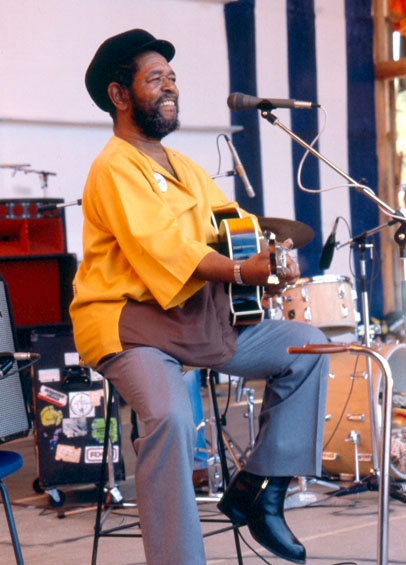
Walter "Brownie" McGhee (* 30. November 1915 in Knoxville, Tennessee; † 16. Februar 1996 in Oakland, Kalifornien) war Blues-Gitarrist. Er wuchs in einer musikalischen Familie auf, in der er Gitarre und Klavier spielen lernte. Zunächst begann er als Gospelsänger in einem Quartett und als Straßensänger beim Smoky Mountain Resort.
Durch Kinderlähmung war sein rechtes Bein verkürzt, was ihn in seiner Gehfähigkeit behinderte, was aber später durch eine Operation verbessert werden konnte, sodass er auch auf Konzertreisen gehen konnte, zunächst in Tennessee und North Carolina. Nach dem Tod von Blind Boy Fuller sah dessen Manager J.B. Long in McGhee den geeigneten Lückenfüller. Sie produzierten erfolgreiche Schallplattenaufnahmen, eine davon mit dem Titel The Death of Blind Boy Fuller, was ihm den Titel Blind Boy Fuller No. 2 eintrug. Bei einem Konzert mit Paul Robeson 1942 in Washington, D.C. mit Gastsolist Sonny Terry veranlasste Long, dass Terry von McGhee begleitet wurde. Die beiden kamen gut an und arbeiteten fortan oft zusammen. 1942 zog McGhee nach New York, wo er Kontakt mit berühmten Folk-Musikern wie Woody Guthrie, Pete Seeger u.a. hatte und 1948 eine Schule „The Home of Blues“ als Gitarrenlehrer gründete. Er spielte 1959 und 1963 auf dem Newport Folk Festival und machte mit Sonny Terry Tourneen, u.a. durch Indien und Europa. Terry beteiligte ihn auch 1963 an seiner Produktion Sonny Is King.
Außer im Blues hatte McGhee auch mit Rhythm'n Blues-Aufnahmen Erfolg (u.a. mit Champion Jack Dupree, Big Maybelle und seinem jüngeren Bruder Stick McGhee auf dessen Hit Drinkin' Wine Spo-Dee-O-Dee). Ferner hatte er zwei Broadwayshow-Rollen wie z.B. in Die Katze auf dem heißen Blechdach (1955) mit Terry sowie eine Nebenrolle auf der Leinwand im Thriller Angel Heart (1987).
Sein Bluesstil war von der Ostküste, der sogenannte Piedmont Blues.
Durch Kinderlähmung war sein rechtes Bein verkürzt, was ihn in seiner Gehfähigkeit behinderte, was aber später durch eine Operation verbessert werden konnte, sodass er auch auf Konzertreisen gehen konnte, zunächst in Tennessee und North Carolina. Nach dem Tod von Blind Boy Fuller sah dessen Manager J.B. Long in McGhee den geeigneten Lückenfüller. Sie produzierten erfolgreiche Schallplattenaufnahmen, eine davon mit dem Titel The Death of Blind Boy Fuller, was ihm den Titel Blind Boy Fuller No. 2 eintrug. Bei einem Konzert mit Paul Robeson 1942 in Washington, D.C. mit Gastsolist Sonny Terry veranlasste Long, dass Terry von McGhee begleitet wurde. Die beiden kamen gut an und arbeiteten fortan oft zusammen. 1942 zog McGhee nach New York, wo er Kontakt mit berühmten Folk-Musikern wie Woody Guthrie, Pete Seeger u.a. hatte und 1948 eine Schule „The Home of Blues“ als Gitarrenlehrer gründete. Er spielte 1959 und 1963 auf dem Newport Folk Festival und machte mit Sonny Terry Tourneen, u.a. durch Indien und Europa. Terry beteiligte ihn auch 1963 an seiner Produktion Sonny Is King.
Außer im Blues hatte McGhee auch mit Rhythm'n Blues-Aufnahmen Erfolg (u.a. mit Champion Jack Dupree, Big Maybelle und seinem jüngeren Bruder Stick McGhee auf dessen Hit Drinkin' Wine Spo-Dee-O-Dee). Ferner hatte er zwei Broadwayshow-Rollen wie z.B. in Die Katze auf dem heißen Blechdach (1955) mit Terry sowie eine Nebenrolle auf der Leinwand im Thriller Angel Heart (1987).
Sein Bluesstil war von der Ostküste, der sogenannte Piedmont Blues.
Walter Brown ("Brownie") McGhee (November 30, 1915 – February 16, 1996)[1] was a Piedmont blues singer and guitarist, best known for his collaborations with the harmonica player Sonny Terry.[2]
Life and career
Brownie McGhee was born in Knoxville, Tennessee, and grew up in Kingsport, Tennessee.[3] As a child he had polio, which incapacitated his leg. His brother Granville "Sticks" or "Stick" McGhee was nicknamed for pushing young Brownie around in a cart. His father, George McGhee, was a factory worker known around University Avenue for playing guitar and singing. Brownie's uncle made him a guitar from a tin marshmallow box and a piece of board.[4] McGhee spent much of his youth immersed in music, singing with local harmony group the Golden Voices Gospel Quartet and teaching himself to play guitar. A March of Dimes-funded leg operation enabled McGhee to walk.
At age 22, Brownie McGhee became a traveling musician, working in the Rabbit Foot Minstrels and befriending Blind Boy Fuller, whose guitar playing influenced him greatly. After Fuller's death in 1941, J. B. Long of Columbia Records had McGhee adopt his mentor's name, branding him "Blind Boy Fuller No. 2." By that time, McGhee was recording for Columbia's subsidiary Okeh Records in Chicago, but his real success came after he moved to New York in 1942, when he teamed up with Sonny Terry, whom he had known since 1939 when Sonny was Blind Boy Fuller's harmonica player. The pairing was an overnight success; as well as recording, they toured together until around 1980. As a duo, Sonny Terry and Brownie McGhee did most of their work from 1958 until 1980, spending 11 months of each year touring, and recording dozens of albums.
Despite their later fame as "pure" folk artists playing for white audiences, in the 1940s Terry and McGhee also attempted to be successful black recording performers, fronting a jump blues combo with honking saxophone and rolling piano, variously calling themselves "Brownie McGhee and his Jook House Rockers" or "Sonny Terry and his Buckshot Five," often with Champion Jack Dupree and Big Chief Ellis. They also appeared in the original Broadway productions of Finian's Rainbow and Cat on a Hot Tin Roof.
During the blues revival of the 1960s, Terry and McGhee were very popular on the concert and music festival circuits, occasionally adding new material but usually remaining faithful to their roots and their audience.
Late in his life, McGhee began appearing in small film or TV roles. With Sonny Terry, he appeared in the 1979 Steve Martin comedy The Jerk. In 1987, McGhee gave a small but memorable performance as ill-fated blues singer Toots Sweet in the supernatural thriller movie, Angel Heart. In his review of Angel Heart, critic Roger Ebert singled out McGhee for praise, declaring that he delivered a "performance that proves [saxophonist] Dexter Gordon isn't the only old musician who can act."[5] McGhee appeared in a 1988 episode of "Family Ties" titled "The Blues, Brother" in which he played fictional blues musician Eddie Dupre, as well as a 1989 episode of Matlock entitled "The Blues Singer."
Happy Traum, a former guitar student of Brownie's, edited a blues guitar instruction guide and songbook for him. Using a tape recorder, Traum had McGhee instruct and, between lessons, talk about his life and the blues. Guitar Styles of Brownie McGhee was published in New York in 1971. The autobiographical section features Brownie talking about growing up, his musical beginnings, and a history of the early blues period (1930s onward).
One of McGhee's final concert appearances was at the 1995 Chicago Blues Festival.[3]
McGhee died from stomach cancer in February 1996 in Oakland, California, at age 80; he missed his planned return trip to Australia.
Life and career
Brownie McGhee was born in Knoxville, Tennessee, and grew up in Kingsport, Tennessee.[3] As a child he had polio, which incapacitated his leg. His brother Granville "Sticks" or "Stick" McGhee was nicknamed for pushing young Brownie around in a cart. His father, George McGhee, was a factory worker known around University Avenue for playing guitar and singing. Brownie's uncle made him a guitar from a tin marshmallow box and a piece of board.[4] McGhee spent much of his youth immersed in music, singing with local harmony group the Golden Voices Gospel Quartet and teaching himself to play guitar. A March of Dimes-funded leg operation enabled McGhee to walk.
At age 22, Brownie McGhee became a traveling musician, working in the Rabbit Foot Minstrels and befriending Blind Boy Fuller, whose guitar playing influenced him greatly. After Fuller's death in 1941, J. B. Long of Columbia Records had McGhee adopt his mentor's name, branding him "Blind Boy Fuller No. 2." By that time, McGhee was recording for Columbia's subsidiary Okeh Records in Chicago, but his real success came after he moved to New York in 1942, when he teamed up with Sonny Terry, whom he had known since 1939 when Sonny was Blind Boy Fuller's harmonica player. The pairing was an overnight success; as well as recording, they toured together until around 1980. As a duo, Sonny Terry and Brownie McGhee did most of their work from 1958 until 1980, spending 11 months of each year touring, and recording dozens of albums.
Despite their later fame as "pure" folk artists playing for white audiences, in the 1940s Terry and McGhee also attempted to be successful black recording performers, fronting a jump blues combo with honking saxophone and rolling piano, variously calling themselves "Brownie McGhee and his Jook House Rockers" or "Sonny Terry and his Buckshot Five," often with Champion Jack Dupree and Big Chief Ellis. They also appeared in the original Broadway productions of Finian's Rainbow and Cat on a Hot Tin Roof.
During the blues revival of the 1960s, Terry and McGhee were very popular on the concert and music festival circuits, occasionally adding new material but usually remaining faithful to their roots and their audience.
Late in his life, McGhee began appearing in small film or TV roles. With Sonny Terry, he appeared in the 1979 Steve Martin comedy The Jerk. In 1987, McGhee gave a small but memorable performance as ill-fated blues singer Toots Sweet in the supernatural thriller movie, Angel Heart. In his review of Angel Heart, critic Roger Ebert singled out McGhee for praise, declaring that he delivered a "performance that proves [saxophonist] Dexter Gordon isn't the only old musician who can act."[5] McGhee appeared in a 1988 episode of "Family Ties" titled "The Blues, Brother" in which he played fictional blues musician Eddie Dupre, as well as a 1989 episode of Matlock entitled "The Blues Singer."
Happy Traum, a former guitar student of Brownie's, edited a blues guitar instruction guide and songbook for him. Using a tape recorder, Traum had McGhee instruct and, between lessons, talk about his life and the blues. Guitar Styles of Brownie McGhee was published in New York in 1971. The autobiographical section features Brownie talking about growing up, his musical beginnings, and a history of the early blues period (1930s onward).
One of McGhee's final concert appearances was at the 1995 Chicago Blues Festival.[3]
McGhee died from stomach cancer in February 1996 in Oakland, California, at age 80; he missed his planned return trip to Australia.
Sonny Terry and Brownie McGhee - Devil's Gonna Get You.wmv
https://www.youtube.com/watch?v=sgIQy1FkCRY
https://www.youtube.com/watch?v=sgIQy1FkCRY