1883 Gus Cannon*
1900 Texas Alexander*
1919 Bill Jennings*
1943 Maria Muldaur*
1946 Dickie Peterson*
1952 Steve Guyger*
1955 Frank Stokes+
1976 J.T. Ross*
Christian Peters*
Happy Birthday
Steve Guyger *12.09.1952

Der Harper und Sänger aus Philadelphia gilt als Maestro seines Fachs. Musikalisches Können eignete er sich im Chicago der Sechzigerjahre an. Er lernte Paul Butterfield kennen und war mit der Legende Jimmy Rogers unterwegs. Darüber hinaus spielte er mit Charlie Musselwhite, Litte Sammy Davis oder Mark Hummel.
Steve Guygers aktuelles Album, „Radio Blues“, bestätigt erneut seinen exzellenten Ruf und macht klar, weshalb ihn Kollege Mark Hummel einen „Monster-Player“ nannte. Steve Guyger wird in Luzern die Fans mit der diatonischen und chromatischen Harp ebenso überzeugen, wie mit seiner ausdrucksstarken Stimme.
Steve Guyger (born September 12, 1952) is an American Chicago blues harmonica player, singer, and songwriter. He has recorded five albums since 1997,[1] having previously backed Jimmy Rogers for almost fifteen years.[2]
Rick Estrin, from Rick Estrin & the Nightcats, referred to Guyger in the liner notes of one of the latter's albums as "a true master of the blues harmonica."[2] Guyger has played with Rogers, Charlie Musselwhite, Little Sammy Davis and Mark Hummel, and is proficient in both diatonic and chromatic instruments.[3]
Guyger was born in Philadelphia, Pennsylvania, United States, and initially studied guitar for five years before his future sister-in-law gave him a harmonica as a gift. Inspired by watching various blues musicians following trips to both New York and Chicago, Guyger formed his own band in the late 1970s. Personnel came and went and he changed the name of the band to the Excellos in 1980, who steadily built up a growing reputation playing in both Philadelphia and New York.[2] Guyger started backing Jimmy Rogers in 1980, and played with him until just before Rogers' death in 1997.[4][5] That same year Guyger's debut album, Last Train to Dover, was released.[1]
In 1999, Severn Records released Guyger's third album, Past Life Blues.[1][6]
In 2008, Guyger performed at the Lucerne Blues Festival.[7] His most recent album, Radio Blues was released in March the same year to critical acclaim.[4][8][9] His guest musicians included Johnny Moeller.[10] The following year his work saw Guyger nominated for a Blues Music Award.[11]
In 2010, he issued an instructional DVD, entitled Blues Harmonica, published by the Hal Leonard Corporation. He currently endorses Hohner harmonicas.[11]
Steve Guyger - Louis X, Terra Blues
Bill Jennings *12.09.1919

Jenning's sound has been compared to Tiny Grimes with a hint of early Charlie Christian. A peer of Billy Butler, Jennings played with Louis Jordan in the late '40s and early '50s. He also recorded R&B sides with Leo Parker and Bill Doggett.
R.I.P.
Frank Stokes +12.09.1955

Frank Stokes (* 1. Januar 1888 in Whitehaven, Tennessee; † 12. September 1955 in Memphis, Tennessee) war ein US-amerikanischer Blues-Gitarrist.
Geboren in Tennessee, wuchs Stokes nach dem Tod seiner Eltern in Tutwiler in Mississippi auf. Hier lernte er das Gitarrespielen. Später lebte er als Hufschmied in Hernando, ebenfalls in Mississippi. An den Wochenenden ging er nach Memphis, um dort Musik zu machen.
Zur Zeit des Ersten Weltkrieges zog Stokes gemeinsam mit Garfield Akers mit einer Medizinshow umher. Danach blieb er in Oakville, Tennessee, wo er wieder seine Tätigkeit als Hufschmied aufnahm.
1927 formierte er gemeinsam mit Dan Sane das Duo Beale Street Sheiks, mit denen er in Memphis auftrat und erste Aufnahmen machte. 1928 nahm er für Victor Records in vier Sitzungen als Solist auf. 1929 endete mit den letzten Einspielungen als Beale Street Sheiks seine kurze Aufnahmekarriere, doch trat er weiterhin erfolgreich auf.
In den 1940ern zog Stokes nach Clarksdale in Mississippi und spielte gelegentlich mit Bukka White. Frank Stokes starb 1955 in Memphis.
Frank Stokes (January 1, 1888 – September 12, 1955)[1] was an American blues musician, songster, and blackface minstrel, who is considered by many musicologists to be the father of the Memphis blues guitar style.[2]
Biography
Stokes was born in Shelby County, Tennessee, in the largest southern vicinity Whitehaven, located two miles north of the Mississippi line.[2] He was raised by his stepfather in Tutwiler, Mississippi, after the death of his parents.[3] Stokes learned to play guitar as a youth in Tutwiler, and, after 1895, in Hernando, Mississippi, which was home to such African American guitarists as Jim Jackson, Dan Sane, Elijah Avery (of Cannon's Jug Stompers), and Robert Wilkins.[4] By the turn of the century, at the age of 12, Stokes worked as a blacksmith, traveling the 25 miles to Memphis on the weekends to sing and play guitar with Sane, with whom he developed a long-term musical partnership. Together, they busked on the streets and in Church's Park (now W. C. Handy Park) on Memphis' Beale Street.[4]
In the mid 1910s, Stokes joined forces with fellow Mississippian Garfield Akers as a blackface songster, comedian, and buck dancer in the Doc Watts Medicine Show, a tent show that toured the South. During this period of touring, Stokes developed a sense of show business professionalism that set him apart from many of the more rural, less polished blues musicians of that time and place. It is said that his performances on the southern minstrel and vaudeville circuit around this time influenced Jimmie Rodgers, who played the same circuit. Rodgers borrowed songs and song fragments from Stokes and was influenced stylistically as well.[5]
Around 1920, Stokes settled in Oakville, Tennessee, where he went back to work as a blacksmith.[2] Stokes teamed up again with Sane and went to work playing dances, picnics, fish fries, saloons, and parties in his free time. Stokes and Sane joined Jack Kelly's Jug Busters to play white country clubs, parties and dances, and to play Beale Street together as the Beale Street Sheiks, first recording under that name for Paramount Records in August 1927.[2] All told, Stokes was to cut 38 sides for Paramount and Victor Records. "The fluid guitar interplay between Stokes and Sane, combined with a propulsive beat, witty lyrics, and Stokes's stentorian voice, make their recordings irresistible."[6] Their duet style influenced the young Memphis Minnie in her duets with husband Kansas Joe McCoy.[4]
The Sheiks next recorded at a session for Victor Records where Furry Lewis also recorded.[4] At this session, in February 1928, the emphasis was on blues, rather than the older songs that were also part of Stokes' repertoire. Stokes recorded again for Victor that August, playing "I Got Mine", one of a body of pre-blues songs about gambling, stealing and living high. He also recorded the more modern "Nehi Mamma Blues", which puns on the Nehi soft drink and the "knee-high" skirts that were fashionable at the time. Sane rejoined Stokes for the second day of the August 1928 session, and they produced a two-part version of "Tain't Nobody's Business If I Do", a song well known in later versions by Bessie Smith and Jimmy Witherspoon, but whose origin lies somewhere in the pre-blues era.[7] The Sheiks also continued to busk the streets, and play informally at parties.[4]
In 1929, Stokes and Sane recorded again for Paramount, resuming their 'Beale Street Sheiks' billing for a few cuts. In September, Stokes was back on Victor to make what were to be his last recordings, this time without Sane, but with Will Batts on fiddle.[2] Stokes and Batts were a team as evidenced by these records, which are both traditional and wildly original, but their style had fallen out of favor with the blues record buying public. Stokes was still a popular live performer, however, appearing in medicine shows, the Ringling Brothers Circus, and other tent shows and similar venues during the 1930s and 1940s. During the 1940s, Stokes moved to Clarksdale, and occasionally worked with Bukka White in local juke joints.[2]
Stokes died of a stroke in Memphis on September 12, 1955.[1][4] He is buried there in Hollywood Cemetery.
Happy Birthday
Gus Cannon *12.09.1883

Gus Cannon (links) und seine Jug Stompers
Gus Cannon (* 12. September 1883 in Red Banks, Mississippi; † 15. Oktober 1979 in Memphis, Tennessee) war ein amerikanischer Blues-Musiker, der vor allem mit seiner Band Cannon’s Jug Stompers Ende der 1920er bekannt wurde.
Cannon wurde 1883 als der jüngste von zehn Söhnen der Sharecropper John und Ellen Cannon geboren. Mit zwölf Jahren arbeitete er in Clarksdale, Mississippi auf den Baumwollfeldern. Hier kam er mit dem Blues in Berührung. Er brachte sich das Musizieren selbst bei, wobei er zunächst auf einem Banjo spielte, das er sich aus einer Pfanne und einem Gitarrenhals gebaut hatte.
Karriere
Um 1900 spielte Cannon in verschiedenen Bands in der Gegend von Clarksdale. Er gründete seine erste Jugband, als er für die Eisenbahn in Greenville arbeitete. Er lernte den Mundharmonikaspieler Noah Lewis und den jungen Gitarristen Ashley Thompson kennen, mit denen er häufig zusammen spielte. 1910 heiratete Cannon. Ab 1914 trat er regelmäßig bei Medicine Shows auf. In den 1920er Jahren hielt er sich in der Gegend von Memphis (Tennessee) auf und trat auch in der berüchtigten Beale Street auf. In dieser Zeit kam die Memphis Jug Band zu einigem Ruhm. 1927 begann seine professionelle Karriere als Musiker. Seine ersten Platten spielte er 1927 als „Banjo Joe“ bei den Paramount Records ein, wobei er von Blind Blake an der Gitarre begleitet wurde. 1928 machte Gus Cannon mit Lewis und Thompson unter dem Namen Cannon’s Jug Stompers erste Aufnahmen. Später spielten unter anderem auch Hosea Wood und Elijah Avery in der Gruppe. Weitere Aufnahmen, auch solo, folgten bis 1930. Danach ließ der Erfolg rasch nach. Cannon wohnte weiterhin in Memphis, wo er Anfang der 1950er-Jahre den jungen Johnny Cash kennenlernte, der zu der damaligen Zeit noch Haushaltswarenvertreter war.
Erst in den späten 1950er-Jahren wurde Gus Cannon wieder „entdeckt“. Mit Will Shade und Milton Ruby nahm er 1963 ein Album bei Stax Records auf. Nach seinem Tod 1979 gaben die The Lovin’ Spoonful ein Benefizkonzert, um Geld für Gus Cannons Grabstein zu sammeln. 2010 wurde Gus Cannon, gemeinsam mit den Cannon’s Jug Stompers in die Blues Hall of Fame aufgenommen.
Gus Cannon (September 12, 1883 – October 15, 1979) was an American blues musician who helped to popularize jug bands (such as his own Cannon's Jug Stompers) in the 1920s and 1930s. There is doubt about his birth year; his tombstone gives the date as 1874.[1]
Career
Born on a plantation at Red Banks, Mississippi, Cannon moved a hundred miles to Clarksdale, then the home of W. C. Handy, at the age of 12. Cannon's musical skills came without training; he taught himself to play using a banjo that he made from a frying pan and raccoon skin. He ran away from home at the age of fifteen and began his career entertaining at sawmills and levee and railroad camps in the Mississippi Delta around the turn of the century.
While in Clarksdale, Cannon was influenced by local musicians Jim Turner and Alec Lee. Turner's fiddle playing in W. C. Handy’s band so impressed Cannon that he decided to learn the fiddle himself. Lee, a guitarist, taught Cannon his first folk blues, "Po' Boy, Long Ways from Home", and showed him how to use a knife blade as a slide, a technique that Cannon adapted to his banjo playing.[2]
Cannon left Clarksdale around 1907. He soon settled near Memphis, Tennessee and played in a jug band led by Jim Guffin.[2] He began playing in Memphis with Jim Jackson. He met harmonica player Noah Lewis, who introduced him to a young guitar player named Ashley Thompson. Both Lewis and Thompson would eventually become members of Cannon's Jug Stompers. The three of them formed a band to play parties and dances. In 1914 Cannon began touring in medicine shows.[2] He supported his family through a variety of jobs, including sharecropping, ditch digging, and yard work, but supplemented his income with music.
Cannon began recording as "Banjo Joe" for Paramount Records in 1927. At that session he was backed up by Blind Blake.[2] After the success of the Memphis Jug Band's first records, he quickly assembled a jug band featuring Noah Lewis and Ashley Thompson (later replaced by Elijah Avery).[3] Cannon's Jug Stompers first recorded at the Memphis Auditorium for the Victor record label in January 1928.[4] Hosea Woods joined the Jug Stompers in the late 1920s, playing guitar, banjo and kazoo, and also providing some vocals. Modern listeners can hear Cannon's Jug Stompers recording of "Big Railroad Blues" on the compilation album The Music Never Stopped: Roots of the Grateful Dead.
Although their last recordings were made in 1930, Cannon's Jug Stompers were one of Beale Street's most popular jug bands through the 1930s. A few songs Cannon recorded with Cannon's Jug Stompers are "Minglewood Blues", "Pig Ankle Strut", "Wolf River Blues", "Viola Lee Blues", "White House Station" and "Walk Right In" (later made into a pop hit by The Rooftop Singers[3] in the 1960s, and later a hit rock/pop version by Dr. Hook in the 1970s). By the end of the 1930s, Cannon had effectively retired, although he occasionally performed as a solo musician.
He returned in 1956 to make a few recordings for Folkways Records. In the "blues revival" of the 1960s, he made some college and coffee house appearances with Furry Lewis and Bukka White,[3] but he had to pawn his banjo to pay his heating bill the winter before the Rooftop Singers had a hit with "Walk Right In".[5]
In the wake of becoming a hit composer, he recorded an album for Stax Records in 1963, with fellow Memphis musicians Will Shade, the former leader of the Memphis Jug Band, on jug and Milton Roby on washboard. Cannon performs a series of traditional songs, including "Kill It," "Salty Dog," "Going Around," "The Mountain," "Ol' Hen", "Gonna Raise A Ruckus Tonight," "Ain't Gonna Rain No More," "Boll-Weevil," "Come On Down To My House," "Make Me a Pallet on Your Floor," "Get Up In The Morning Soon," and "Crawdad Hole" along with his own "Walk Right In," plus various stories and introductions between the songs.[6]
Cannon can be seen in the King Vidor produced film, Hallelujah! (1929), during the late night wedding scene.
Texas Alexander *12.09.1900

Algernon "Texas" Alexander (* 12. September 1900 in Jewett, Texas; † 18. April 1954 in Richards, Texas[1]) war ein US-amerikanischer Blues-Sänger.
Alexander, der selbst kein Instrument spielte, machte seine ersten Aufnahmen 1927 für Okeh Records. Für seine musikalische Begleitung sorgten im Laufe der Zeit Gitarristen wie Little Hat Jones, Lonnie Johnson und Lowell Fulson, aber auch bekannte Gruppen wie die The Mississippi Sheiks, King Oliver's New Orleans Band und Clarence Williams.
Neben seiner musikalischen Tätigkeit arbeitete er als Baumwollpflücker oder im Gleisbau. Um 1940 wurde seine Karriere unterbrochen, da er wegen Mordes ins Gefängnis musste. Nach seiner Freilassung trat er wieder auf, oft gemeinsam mit Lightnin’ Hopkins, der gelegentlich als sein Cousin bezeichnet wird, wofür es aber keinen Beleg gibt.[2] Mit ihm machte er 1947 auch einige Aufnahmen für Aladdin Records. Auch mit dem Pianisten Buster Pickens machte er Aufnahmen. Seine letzten Aufnahmen stammen aus dem Jahr 1950, sie waren weitgehend erfolglos. 1954 starb Texas Alexander an Syphilis.
Insgesamt nahm Alexander über 60 Titel auf, die Mehrzahl davon vor 1930. Sein Gesangsstil war eng angelehnt an die Field Hollers. Zu seinen bekanntesten Stücken gehören Corn Bread Blues und Frisco Train.
Alger "Texas" Alexander (September 12, 1900 – April 18, 1954)[1] was an American blues singer from Jewett, Texas.[2] Some sources claim that he was the cousin of Lightnin' Hopkins, but no direct kinship has ever been established.[3] It was also claimed that he was the uncle of Texas country blues guitarist Frankie Lee Sims.[4]
Career
A short man with a big, deep voice, Alexander started his career performing on the streets and at local parties and picnics in the Brazos River bottomlands, where he sometimes worked with Blind Lemon Jefferson.[5] In 1927 he began a recording career that continued into the 1930s,[6] recording sides for the Okeh and Vocalion record labels in New York, San Antonio, and Fort Worth.
Songs he recorded include "Mama's Bad Luck Child," "Sittin' on a Log," "Texas Special," "Broken Yo Yo" and "Don't You Wish Your Baby was Built Up Like Mine?"[2]
His early records for Okeh are notable not only for the personal originality of his songs, but for the musical motifs against which they are set.[7] On April 9, 1934, Alexander recorded backed by the Mississippi Sheiks. Their line-up featured Bo Carter on violin, plus Sam Chatman and Walter Vinson on guitar. The eight tracks recorded included "Seen Better Days", and "Frost Texas Tornado Blues", the latter of which spoke of the tornado which destroyed Frost, Texas on May 6, 1930, leaving 41 dead.[8]
Alexander did not play a musical instrument himself, and over the years he worked with a number of other artists including King Oliver, Eddie Lang, Lonnie Johnson, Little Hat Jones, the Mississippi Sheiks, and Lightnin' Hopkins. He sang in the free rhythm of work songs, such as the migrant cotton pickers he performed for might have sung, which posed a challenge for those accompanying him. Indeed, his singing is difficult to follow, and on his gramophone records his accompanists can often be heard resetting their watches to 'Alexander Time'.[9] Lonnie Johnson devised free-form guitar melodies in counterpoint to his vocal lines.[9]
In 1939, Alexander allegedly murdered his wife, resulting in a stay in the state penitentiary in Paris, Texas from 1940 to 1945.[7] Research by writer Coy Prather in the Spring 2014 issue of Texas Music Magazine revealed that the often printed prison stay by Alexander may be a myth. There are no records of Alexander ever serving a sentence in a Texas prison, and there was never a prison in Paris, Texas. Prather believes Alexander may have served time on a county work farm for playing lewd music in public. After that he returned to performing and recording, and Alexander made his last recording in 1950 with Benton's Busy Bees[2] (Leon Benton, guitar and Buster Pickens, piano), before dying at the age of 53 of syphilis in 1954.[10]
Alexander's body is buried in Longstreet Cemetery, Montgomery County, Texas.


Maria Muldaur (* 12. September 1943 als Maria d'Amato in Greenwich Village, New York, New York, USA), ist eine US-amerikanische Folk-, Jazz- und Blues-Sängerin.
Die in eine musikalische Familie italienischer Herkunft geborene Maria Muldaur war schon früh vielen musikalischen Einflüssen ausgesetzt, die sie nach einer frühen Rock'n'Roll-Phase in der Schulzeit zur Folkmusik im Greenwich Village der frühen 1960er Jahre führten. Nach ersten Auftritten mit lokalen Gruppen wie der Even Dozen Jug Band und Geigenunterricht bei Doc Watson in North Carolina zog die Sängerin nach Cambridge, Massachusetts, eine andere Folk- und Protest-Hochburg der damaligen Zeit. Dort traf sie ihren künftigen Ehemann, den Folk-Sänger Geoff Muldaur, der Mitglied der Jim Kweskin Jug Band war. Eine gemeinsame Tochter, Jenni, wurde geboren, außerdem entstanden mehrere gemeinsame LPs.
Doch 1972 endete die Zusammenarbeit und auch die Ehe, und Maria Muldaur begann ihre Solokarriere. Sie wurde eine vielseitige Folk-, Country-, Jazz- und Blues-Sängerin, die im Lauf ihrer Karriere Einflüsse zahlreicher bedeutender Musiker verarbeitet hat. Maria Muldaurs erste Solo-LP, Maria Muldaur, wurde 1973 zu einem Erfolg mit dem Hit Midnight At The Oasis.
Maria Muldaur (born September 12, 1943) is an American folk-blues singer who was part of the American folk music revival in the early 1960s. She recorded the 1974 hit song "Midnight at the Oasis", and continues to record albums in the folk traditions.[1]
Biography
Muldaur was born Maria Grazia Rosa Domenica D'Amato in Greenwich Village, New York City, where she attended Hunter College High School.[2]
Muldaur began her career in the early 1960s as Maria D'Amato, performing with John Sebastian, David Grisman, and Stefan Grossman as a member of the Even Dozen Jug Band. She then joined Jim Kweskin & His Jug Band as a featured vocalist and occasional violinist. During this time, she was part of the Greenwich Village scene that included Bob Dylan, and some of her recollections of the period, particularly with respect to Dylan, appear in Martin Scorsese's 2005 documentary film, No Direction Home.
She married fellow Jug Band member Geoff Muldaur, and after the Kweskin outfit broke up the two of them produced two albums. She began her solo career when their marriage ended in 1972, but retained her married name.[3]
Her first solo album Maria Muldaur, released in 1973, contained her hit single "Midnight at the Oasis", which reached number 6 on the Billboard Hot 100 in 1974. It also peaked at number 21 in the UK Singles Chart.[4] Later that year, she released her second album Waitress In A Donut Shop. This included a re-recording of "I'm a Woman", the Leiber and Stoller number first associated with Peggy Lee and a standout feature from her Jug Band days. The title of this album is taken from a line in another song on the album, "Sweetheart" by Ken Burgan.
Around this time, Muldaur established a relationship with the Grateful Dead. Opening for some Grateful Dead shows in the summer of 1974 with John Kahn, bassist of the Jerry Garcia Band, which would eventually earn her a seat in that group as a backing vocalist in the late 1970s. Around the same time Muldaur met and eventually collaborated with bluegrass icon Peter Rowan. The two became close, and she was chosen to be his daughter Amanda Rowan's godmother. She appeared on Super Jam (1989), the live recording of the German TV series Villa Fantastica with Brian Auger on piano, Pete York on drums, Dick Morrissey on tenor saxophone, Roy Williams on trombone, Harvey Weston on bass and Zoot Money, also on vocals.[citation needed]
Muldaur continued to perform, tour, and record after her success in the mid-1970s, including a turn at the Teatro ZinZanni in 2001.[5][6]
Her 2005 release Sweet Lovin' Ol' Soul was nominated for both a Blues Music Award (formerly a W.C. Handy Award) and a Grammy Award in the Traditional Blues Category. In 2013, she was nominated for a Blues Music Award in the Koko Taylor Award (Traditional Blues Female)' category.

Maria Muldaur - Cajun Moon - Live
J.T. Ross *12.09.1976
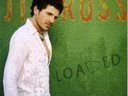
JT Ross was born on September 12th 1976 in downtown Chicago. The son of a German born artist and a Chicago born stage actress. As a child in Chicago, JT's family didn't have much. Lucky for JT, a family friend gave him a $2.00 harmonica when he was just a baby and little JT took to it like a fish to water. JT's father was thoroughly immersed in the Chicago Blues scene of the seventies - giving him the chance to make friends and jam with the likes of Howlin Wolf and Hound Dog Taylor and Brit Rockers Rod Stewart and Ron Wood. This, is how the young lad received his pre-eminent Blues experience.
JT Ross has been playing Harmonica since he was just two years old and is entirely self taught. As a boy JTs Father would accompany him on guitar and had the 4 year old Ross sitting in with legendary Chicago blues acts. It was in the famed Checkerboard Lounge on the South Side of Chicago where JT learned many of his tricks -- first hand -- at the feet of such legends as Buddy Scott, James Cotton and Junior Wells. Since then Ross has done numerous acclaimed recordings, played shows all over the world and worked with countless Blues Legends. As one journalist put it ..."It sounds as if JT was born with the Harmonica in his mouth".
Aside From JT's blues accomplishments he has also done many Rock, Jazz, Folk & Country recordings - working with such luminary producers as Glen Ballard.
JT's got a style all his own -- part Chicago and part West Coast . His friend and mentor [the late] William Clarke (LA's leading Blues Harmonica strongman) encouraged JT to find his own sound. Careful not to copy-cat his Chicago mentors or Clarke -- JT's fresh and unique sound has listeners wondering how he gets the harmonica tones he does. His live performances pay tribute to the greats and are dazzling displays of amazing Harmonica wizardry which leave audiences stunned.
JT Ross now lives in Venice California. He plays Hohner Marine Band and Hohner Super Chromonica Chromatic Harmonicas exclusively. JT's Singing and Harmonica Microphones are made by SHURE and his Harmonica microphones are modified by Tom Austin he uses Fender and Victoria Amplifiers. JT's Custom Harmonica Microphone cables are made by Tom Austin. JT has a four octave singing range and plays: Drums & Percussion, Sax, Guitar, Jaw Harp, Piano and more.
http://www.jtross.com/soundbio.html JT Ross has been playing Harmonica since he was just two years old and is entirely self taught. As a boy JTs Father would accompany him on guitar and had the 4 year old Ross sitting in with legendary Chicago blues acts. It was in the famed Checkerboard Lounge on the South Side of Chicago where JT learned many of his tricks -- first hand -- at the feet of such legends as Buddy Scott, James Cotton and Junior Wells. Since then Ross has done numerous acclaimed recordings, played shows all over the world and worked with countless Blues Legends. As one journalist put it ..."It sounds as if JT was born with the Harmonica in his mouth".
Aside From JT's blues accomplishments he has also done many Rock, Jazz, Folk & Country recordings - working with such luminary producers as Glen Ballard.
JT's got a style all his own -- part Chicago and part West Coast . His friend and mentor [the late] William Clarke (LA's leading Blues Harmonica strongman) encouraged JT to find his own sound. Careful not to copy-cat his Chicago mentors or Clarke -- JT's fresh and unique sound has listeners wondering how he gets the harmonica tones he does. His live performances pay tribute to the greats and are dazzling displays of amazing Harmonica wizardry which leave audiences stunned.
JT Ross now lives in Venice California. He plays Hohner Marine Band and Hohner Super Chromonica Chromatic Harmonicas exclusively. JT's Singing and Harmonica Microphones are made by SHURE and his Harmonica microphones are modified by Tom Austin he uses Fender and Victoria Amplifiers. JT's Custom Harmonica Microphone cables are made by Tom Austin. JT has a four octave singing range and plays: Drums & Percussion, Sax, Guitar, Jaw Harp, Piano and more.
JT Ross, AKA the "Harmonica Boss", is an american Blues singer and harmonia virtuoso. he was born on September 12th 1974 in downtown Chicago. The son of a German born artist and a Chicago born stage actress. As a child in Chicago, JT's family didn't have much. Lucky for JT, a family friend gave him a $2.00 harmonica when he was just a baby and little JT took to it like a fish to water. JT's father was thoroughly immersed in the Chicago Blues scene of the seventies - giving him the chance to make friends and jam with the likes of Howlin Wolf and Hound Dog Taylor and Brit Rockers Rod Stewart and Ron Wood. This, is how the young lad received his pre-eminent Blues experience.
JT Ross has been playing Harmonica since he was just two years old and is entirely self taught. As a boy JTs Father would accompany him on guitar and had the 4 year old Ross sitting in with legendary Chicago blues acts. It was in the famed Checkerboard Lounge on the South Side of Chicago where JT learned many of his tricks -- first hand -- at the feet of such legends as Buddy Scott, James Cotton and Junior Wells. Since then Ross has done numerous acclaimed recordings, played shows all over the world and worked with countless Blues Legends. As one journalist put it ..."It sounds as if JT was born with the Harmonica in his mouth".
Aside From JT's blues accomplishments he has also done many Rock, Jazz, Folk & Country recordings - working with such luminary producers as Glen Ballard.
JT's got a style all his own -- part Chicago and part West Coast . His friend and mentor [the late] William Clarke (LA's leading Blues Harmonica strongman) encouraged JT to find his own sound. Careful not to copy-cat his Chicago mentors or Clarke -- JT's fresh and unique sound has listeners wondering how he gets the harmonica tones he does. His live performances pay tribute to the greats and are dazzling displays of amazing Harmonica wizardry which leave audiences stunned.
JT Ross now lives in Venice California. He plays Hohner Marine Band and Hohner Super Chromonica Chromatic Harmonicas exclusively. JT's Singing and Harmonica Microphones are made by SHURE and his Harmonica microphones are modified by Tom Austin he uses Fender and Victoria Amplifiers. JT's Custom Harmonica Microphone cables are made by Tom Austin. JT has a four octave singing range and plays: Drums & Percussion, Sax, Guitar, Jaw Harp, Piano and more.
Christian Peters *12.09.

Samsara Blues Experiment - Into the Black - Leipzig/UT Connewitz
Samsara Blues Experiment
Leipzig - UT Connewitz
Christian Peters - guitar, vocals, synthesizers
Hans Eiselt - bass
Thomas Vedder - drums
Leipzig - UT Connewitz
Christian Peters - guitar, vocals, synthesizers
Hans Eiselt - bass
Thomas Vedder - drums
Samsara Blues Experiment - Midnight Boogie / Revelation & Mystery (live )
Dickie Peterson *12.09.1946

Richard Allan "Dickie" Peterson war der Bassist und Sänger für Blue Cheer. Er nahm zwei Solo-Alben: Kind der Dunkelheit und Tramp.
Biographie
Geboren in Grand Forks, North Dakota, Peterson spielte Bass seit dem Alter von dreizehn, und wusste, dass im Alter von acht Jahren, die er ein professioneller Musiker werden wollte. Er stammte aus einer musikalischen Familie: Sein Vater spielte Posaune, seine Mutter spielte Klavier und sein Bruder, Jerre Peterson, zunächst spielte Flöte. Drums waren Petersons erste Instrument.
Peterson verbrachte einen Großteil seiner Jugend in East Grand Forks, Minnesota, der Partnerstadt nach Grand Forks, North Dakota, wo er geboren wurde. Er besuchte Grand Forks Central High School von der Besoldungsgruppe 10 bis 12. Klasse Seine Eltern starben als er jung war, was in ihm lebt mit seiner Tante und Onkel auf einer Farm in North Dakota, für einen Teil seiner Jugend.
Peterson zitiert Otis Redding als wesentlichen Einfluss. Er schrieb seinen Bruder, den späten Jerre Peterson, als seinen lebenslangen musikalischen Einfluss. Jerre Peterson war einer der Lead-Gitarristen in der Anfangsformation der Blue Cheer und spielte mit verschiedenen Formationen der Band in späteren Jahren.
Peterson verbrachte einen Großteil der vergangenen zwei Jahrzehnte in Deutschland, spielen mit Blue Cheer und anderen Gruppen bei Gelegenheit. In 1998 und 1999 hatte er verschiedene Termine spielte in Deutschland mit dem Hank Davison Band und als akustisches Duo mit Hank Davison unter dem Namen "Dos Hombres". Er erschien auf dem Album, Hank Davison and Friends - Real Live. In 2001 und 2002, Peterson gespielt, vor allem in Deutschland, mit Mutter Ozean, einer Gruppe, die er ausgebildet, dass der ehemalige Blue Cheer Gitarrist Tony Rainier sowie Bruder Jerre Peterson enthalten. Es hat keine öffentlichen Ausgabe von Aufnahmen von dieser Gruppe gewesen.
Sein ganzes Leben lang hatte Peterson Beziehung zur Musik alles verzehr gewesen. Peterson, sofern die folgenden Selbstbeschreibung: "Ich habe zweimal verheiratet, ich habe viele Freundinnen gehabt, und sie werden alle sagen, dass, wenn ich nicht spielen Musik Ich bin ein Tier zu leben .... Musik ist ein Ort, an dem ich mit vielen meiner Emotionen und Vertriebenen Energie umzugehen. Ich habe immer nur wollte, Musik zu spielen, und das ist alles was ich will immer noch zu tun ist. "
In seinem früheren Leben war Peterson ein Benutzer der verschiedenen Drogen und war ein Heroinsüchtiger für eine Reihe von Jahren. Im Jahr 2007, sagte Peterson er glaubte, LSD und andere ähnliche Medikamente können positive Auswirkungen haben, sondern dass er und andere Mitglieder der Blue Cheer "übernahm sie die Spitze". Er war von Mitte der 1970er Jahre einen Großteil seines Drogenkonsums aufgehört, und aufgehört zu trinken zehn Jahre vor seinem Tod.
Blue Cheer hat in vielen Genres wurde als bahnbrechende Band. Peterson nicht der Ansicht, dass die Band gehörte zu einem bestimmten Genre:. "Die Leute halten versucht zu sagen, dass wir Schwermetall oder Grunge oder Punk, oder wir dies oder das sind Die Realität ist, sind wir nur ein Power-Trio, und wir spielen extrem Blues, und es ist Rock 'n Roll. Es ist wirklich einfach, was wir tun. "
Am 12. Oktober 2009 starb Peterson in Erkelenz, Deutschland im Alter von 63 an Leberkrebs, nach Prostata-Krebs im ganzen Körper verteilt. Er wurde von seiner zweiten Frau, seiner Ex-Frau, eine Tochter aus erster Ehe, und ein sechs Jahre alter Enkel überlebt.
Peterson wurde eingeäschert und seine Asche an seine Tochter, Corrina gegeben. Peterson wollte seine Asche in den Rhein in Deutschland und in den Redwoods von Nord-Kalifornien verteilt werden, an einer Stelle, die von seiner Tochter bestimmt werden.
Richard Allan "Dickie" Peterson[1] (September 12, 1946 – October 12, 2009)[2] was the bassist and lead singer for Blue Cheer. He also recorded two solo albums: Child of the Darkness and Tramp.
Biography
Born in Grand Forks, North Dakota, Peterson played bass since the age of thirteen, and knew at the age of eight that he wanted to become a professional musician. He came from a musical family: his father played trombone, his mother played piano and his brother, Jerre Peterson, initially played flute. Drums were Peterson's first instrument.
Peterson spent much of his youth in East Grand Forks, Minnesota, the twin city to Grand Forks, North Dakota, where he was born.[3][4] He attended Grand Forks Central High School from Grade 10 to Grade 12.[5] His parents died when he was young, resulting in him living with his aunt and uncle on a farm in North Dakota, for part of his youth.[4]
Peterson cited Otis Redding as a significant influence.[6] He credited his brother, the late Jerre Peterson,[7] as being his lifelong musical influence.[8] Jerre Peterson was one of the lead guitarists in the initial lineup of Blue Cheer (the other being Leigh Stephens) and played with various formations of the band in later years.[9]
Peterson spent much of the past two decades based in Germany, playing with Blue Cheer and other groups on occasion. In 1998 and 1999, he played various dates in Germany with the Hank Davison Band and as an acoustic duo with Hank Davison under the name "Dos Hombres."[10] He appeared on the album, Hank Davison and Friends - Real Live. In 2001 and 2002, Peterson played, principally in Germany, with Mother Ocean, a group he formed that included former Blue Cheer guitarist Tony Rainier, as well as brother Jerre Peterson.[11] There are 4 tracks by Mother Ocean available for listening through their Myspace page.[12]
Throughout his life, Peterson's relationship to music had been all-consuming. Peterson provided the following self-description: "I've been married twice, I’ve had numerous girlfriends, and they’ll all tell you that if I’m not playing music I am an animal to live with. ...Music is a place where I get to deal with a lot of my emotion and displaced energy. I always only wanted to play music, and that’s all I still want to do."[8]
In his early life Peterson was a user of various drugs and was a heroin addict for a number of years. In 2007, Peterson said he believed LSD and other similar drugs can have positive effects, but that he and other members of Blue Cheer "took it over the top".[13] He had ceased much of his drug use by the mid-1970s, and stopped drinking ten years before his death.[14]
Blue Cheer has been considered a pioneering band in many genres. Peterson did not consider that the band belonged to any particular genre: "People keep trying to say that we’re heavy metal or grunge or punk, or we’re this or that. The reality is, we’re just a power trio, and we play ultra blues, and it’s rock ‘n roll. It’s really simple what we do."[8]
On October 12, 2009, Peterson died[2] in Erkelenz, Germany at the age of 63 from liver cancer, after prostate cancer spread throughout his body.[13][15] He was survived by his second wife,[16] his former wife,[17] a daughter from his first marriage,[18] and a six-year-old grandson.[1][15][19][20]
Peterson was cremated and his ashes given to his daughter, Corrina. Peterson wished his ashes to be spread in the Rhine River in Germany and in the Redwoods of Northern California, at a site to be determined by his daughter.[21]
Dickie Peterson was present at the creation — stood at the roaring heart of the creation, a primal scream through wild hair, bass hung low, in an aural apocalypse of defiant energy. His music left deafening echoes in a thousand other bands in the following decades, thrilling some, angering others, and disturbing everything — like art is supposed to do.
Neil Peart, drummer for Rush; Tribute to Dickie Peterson
https://en.wikipedia.org/wiki/Dickie_PetersonBiography
Born in Grand Forks, North Dakota, Peterson played bass since the age of thirteen, and knew at the age of eight that he wanted to become a professional musician. He came from a musical family: his father played trombone, his mother played piano and his brother, Jerre Peterson, initially played flute. Drums were Peterson's first instrument.
Peterson spent much of his youth in East Grand Forks, Minnesota, the twin city to Grand Forks, North Dakota, where he was born.[3][4] He attended Grand Forks Central High School from Grade 10 to Grade 12.[5] His parents died when he was young, resulting in him living with his aunt and uncle on a farm in North Dakota, for part of his youth.[4]
Peterson cited Otis Redding as a significant influence.[6] He credited his brother, the late Jerre Peterson,[7] as being his lifelong musical influence.[8] Jerre Peterson was one of the lead guitarists in the initial lineup of Blue Cheer (the other being Leigh Stephens) and played with various formations of the band in later years.[9]
Peterson spent much of the past two decades based in Germany, playing with Blue Cheer and other groups on occasion. In 1998 and 1999, he played various dates in Germany with the Hank Davison Band and as an acoustic duo with Hank Davison under the name "Dos Hombres."[10] He appeared on the album, Hank Davison and Friends - Real Live. In 2001 and 2002, Peterson played, principally in Germany, with Mother Ocean, a group he formed that included former Blue Cheer guitarist Tony Rainier, as well as brother Jerre Peterson.[11] There are 4 tracks by Mother Ocean available for listening through their Myspace page.[12]
Throughout his life, Peterson's relationship to music had been all-consuming. Peterson provided the following self-description: "I've been married twice, I’ve had numerous girlfriends, and they’ll all tell you that if I’m not playing music I am an animal to live with. ...Music is a place where I get to deal with a lot of my emotion and displaced energy. I always only wanted to play music, and that’s all I still want to do."[8]
In his early life Peterson was a user of various drugs and was a heroin addict for a number of years. In 2007, Peterson said he believed LSD and other similar drugs can have positive effects, but that he and other members of Blue Cheer "took it over the top".[13] He had ceased much of his drug use by the mid-1970s, and stopped drinking ten years before his death.[14]
Blue Cheer has been considered a pioneering band in many genres. Peterson did not consider that the band belonged to any particular genre: "People keep trying to say that we’re heavy metal or grunge or punk, or we’re this or that. The reality is, we’re just a power trio, and we play ultra blues, and it’s rock ‘n roll. It’s really simple what we do."[8]
On October 12, 2009, Peterson died[2] in Erkelenz, Germany at the age of 63 from liver cancer, after prostate cancer spread throughout his body.[13][15] He was survived by his second wife,[16] his former wife,[17] a daughter from his first marriage,[18] and a six-year-old grandson.[1][15][19][20]
Peterson was cremated and his ashes given to his daughter, Corrina. Peterson wished his ashes to be spread in the Rhine River in Germany and in the Redwoods of Northern California, at a site to be determined by his daughter.[21]
Dickie Peterson was present at the creation — stood at the roaring heart of the creation, a primal scream through wild hair, bass hung low, in an aural apocalypse of defiant energy. His music left deafening echoes in a thousand other bands in the following decades, thrilling some, angering others, and disturbing everything — like art is supposed to do.
Neil Peart, drummer for Rush; Tribute to Dickie Peterson
BLUE CHEER Out of Focus Dickie Peterson live in NYC 2007 shot by Bill Baker
BLUE CHEER Summertime Blues 2005