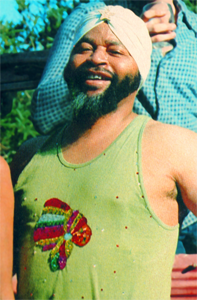
1928 Ruth Brown*
1937 Dr. G.B. Burt*
1942 Marty Balin*
1957 Janiva Magness*
1958 Karen Carroll*
1976 Buster Brown+
1976 Mance Lipscomb+
1980 Professor Longhair+
1982 Lightnin’ Hopkins+
1983 Big Creek Slim*
1989 Samantha Fish*
2013 Ann Rabson+
Happy Birthday
Marty Balin *30.01.1942

Marty Balin (* 30. Januar 1942 in Cincinnati, Ohio als Martyn Jerel Buchwald) ist ein amerikanischer Rockmusiker (Gesang, Gitarre, Mundharmonika). Er war Gründer der Rockband Jefferson Airplane.
Balin, der in San Francisco studierte, wollte ursprünglich Maler werden. Seine Teilnahme an einer Produktion des Musicals West Side Story weckte jedoch seine Liebe zur Musik. 1962 nahm er die Singles Nobody But You und I Specialize In Love auf. Er musizierte mit verschiedenen Bands, darunter die Town Criers und die Gateway Singers.
1965 traf er Paul Kantner, mit dem er Jefferson Airplane gründete. Zunächst spielten sie Folk Rock, wurden aber bald eine treibende Kraft des aufkommenden Psychedelic Rock.
Aufgrund interner Reibereien verließ Balin die Gruppe 1971. Seine Band Bodacious D. F. bestand nur kurz und produzierte ein einziges Album. 1975 kam er zu seiner ursprünglichen Band zurück, die sich mittlerweile in Jefferson Starship umbenannt hatte. Sein Song Miracles wurde ein Hit.
1978 begann Balin eine Solokarriere. Er hatte einige Hits wie Hearts und Atlanta Lady. Mit Paul Kantner und Jack Casady, seinen alten Kollegen von Jefferson Airplane, stellte er 1985 die KBC Band auf die Beine. 1989 gab es eine kurzzeitige Wiedervereinigung von Jefferson Airplane.
Marty Balin war danach weiterhin solo aktiv, beteiligte sich aber auch an Kantners Jefferson Starship – The Next Generation.
Marty Balin (born Martyn Jerel Buchwald; January 30, 1942) is an American musician. He is best known as the founder and one of the lead singers of the psychedelic rock band Jefferson Airplane and its spin-off Jefferson Starship.
Balin’s distinctive voice and style are heard on memorable recordings including the Billboard top chart hits “Miracles,” “Hearts,” “Atlanta Lady,” “Count On Me” and “Runaway” and album, radio, film and television soundtrack classics such as “Comin’ Back to Me,” “Today,” and “Volunteers.” A variety of musical styles are represented in his concert performances, from his classic hits with Jefferson Airplane and Jefferson Starship to new songs from recent albums and current studio sessions.
He is also a painter.
Early life
Balin was born Martyn Jerel Buchwald in Cincinnati, Ohio, the son of Catherine Eugenia "Jean" (née Talbot) and Joseph Buchwald. His paternal grandparents immigrated from Eastern Europe. His father was Jewish and his mother was Episcopalian. Marty attended Washington High School in San Francisco, California.
Career
In 1962, Martyn Jerel Buchwald renamed himself Marty Balin. He began recording with Challenge Records, releasing the singles “Nobody But You” and “I Specialize in Love.”[1] By 1964, Balin was leading a folk music quartet called The Town Criers with fellow band members Larry Vargo, Jan Ellickson, and Bill Collins.[1]
Balin was the founder and one of the lead vocalists for Jefferson Airplane, along with Grace Slick, from 1965 to 1971.[1]
In 1971, he departed Jefferson Airplane, and went on to produce an album for the group Grootna[2] before joining them and recording vocals for the album Bodacious DF.[3] In 1974, Paul Kantner asked Marty to write a song for his new Airplane offshoot group, Jefferson Starship. Together they wrote "Caroline"[1] which appeared on the album Dragon Fly. Marty joined Jefferson Starship permanently in 1975 [1] and contributed to several hit songs (including "Miracles" (#3), "With Your Love" (#12), "Count on Me" (#8), and "Runaway" (#12).[4] In 1978, Balin left the group.[1]
In 1979, he produced a rock opera entitled Rock Justice,[5] about a rock star who was put in jail for failing to produce a hit for his record company, based on his experiences with the lawsuits fought for years with former Airplane manager Matthew Katz.[1] The cast recording was produced by Balin, but did not feature him in performance.
Balin continued with EMI as a solo artist, and in 1981 he released his first solo album, Balin, featuring two songs that became Top 40 hits, “Hearts” (#8) and “Atlanta Lady” (#27). This was followed in 1983 by a second solo album, Lucky, along with a Japanese-only EP produced by EMI called There's No Shoulder. Balin's contract with EMI ended shortly after.[1]
In 1985, he teamed up with Paul Kantner and Jack Casady to form the KBC Band.[1] After the breakup of the KBC band, a 1989 reunion album and tour with Jefferson Airplane followed.
Balin continued recording solo albums in the years following the reunion, and reunited with Kantner in the latest incarnation of Jefferson Starship.[1]
Balin had intended to record lead vocals for two tracks for Jefferson Starship's album, Jefferson's Tree of Liberty. However, his art touring schedule conflicted with studio sessions and instead the track “Maybe for You” from the German release of Windows of Heaven was included.[6][7]
On July 2, 2007, the music publishing firm Bicycle Music, Inc. announced that it had acquired an interest in songs written or performed by Balin, including hits from his days with Jefferson Airplane and Jefferson Starship.[8]
Personal life
Balin has also enjoyed painting all his life. He loves doing paintings of performers he has performed with and his fantasy paintings of Le Pétomane, Paris 1896, the only performer with whom he had never performed. He has painted many of the most influential musicians of the last half of the 20th century. Marty Balin’s Atelier is located at 130 King Fine Art in Saint Augustine Florida, Balin's permanent signature collection Gallery. [9]
Marty Balin resides in Florida and San Francisco with his wife Susan Joy Buchwald, formerly Susan Joy Finkelstein. Together they have four daughters; Balin's daughters: Jennifer Edwards and Delaney Balin, and Susan's daughters: Rebekah Geier and Moriah Geier.


Ruth Brown *30.01.1928

Ruth Brown (* 30. Januar 1928 in Portsmouth, Virginia, geborene Ruth Weston; † 17. November 2006 in Las Vegas, Nevada) war eine der populärsten amerikanischen Rhythm-and-Blues-Sängerinnen der 1950er Jahre.
Ruth Brown sang schon früh in verschiedenen Kirchenchören, sattelte später aber, entgegen dem Willen ihres Vaters, zur weltlichen Musik um. 1945 lernte sie den Trompeter Jimmy Brown kennen, den sie kurze Zeit später heiratete. Bei einem Auftritt im New Yorker Apollo Theater wurde sie entdeckt, als sie einen Song von Bing Crosby vortrug. Als Folge davon erhielt sie 1946 ein Engagement in der Band von Lucky Millinder, wurde aber in Washington, D.C. später entlassen, als sie zwei Musiker mit Alkohol versorgte haben soll. Es dauerte jedoch nicht lange, bis sich Blanche Calloway, Cab Calloways Schwester, ihrer annahm und sie als Solo-Künstlerin verpflichtete.
Kurz vor ihrem geplanten ersten Auftritt, abermals im Apollo Theater, wurde sie am 28. Oktober 1948 in Chester von einem Auto angefahren, brach sich beide Beine und mehrere Rippen und lag mehrere Monate im Krankenhaus. Erst 1949 nahm sie mit „So Long“ unter dem Label Atlantic Records ihre erste Single auf, die sich schon bald als Erfolg entpuppte. Der Song war die Erkennungsmelodie der Chicagoer Sängerin Little Miss Cornshucks, die sie als ihr größtes Vorbild bezeichnete. Mit dem 1950 erschienenen „ Teardrops from My Eyes “ landete sie ihren ersten Nr.-1-Hit in den R&B-Charts, dem noch weitere folgen sollten. Z. B. 1952 (Mama) He Treats Your Daughter Mean, mit dem sie sich gleichzeitig auch erstmals in den US-Pop-Charts platzieren konnte. 1954 sang sie Sentimantal Journey mit den Delta Rhythm Boys. 1957 schaffte sie mit dem Leiber/Stoller-Song Lucky Lips erstmals einen größeren Erfolg in den US-Pop-Charts, den sie 1958 mit This Little Girl’s Gone Rockin sogar noch übertreffen konnte.
Anfang der 1960er Jahre ließen ihre Erfolge stark nach, sodass sie Mitte der 1960er der Plattenindustrie vollkommen den Rücken kehrte, sie wurde jedoch zu allen nennenswerten Blues- und Jazzfestivals eingeladen. Erst in den späten 1970er spielte sie wieder Songs ein. Sie tourte mit dem Musical Guys and Dolls, nahm 1982 die Show The Soul Survives auf und erhielt Anfang der 1980er Jahre für ihre Rolle in dem Broadway-Stück Black And Blue einen Tony Award sowie einen Outer Critics Circle Award. Sie übernahm auch in dem Off-Broadway-Musical Stagger Lee von Allen Toussaint eine Hauptrolle und war jetzt als Schauspielerin auch in Spielfilmen wie Under The Rainbow und Hairspray zu sehen. Für ihr Album Blues On Broadway, das 1989 auf Fantasy Records erschienen war, bekam sie sogar einen Grammy in der Kategorie beste Jazz-Sängerin. 1998 wurde sie mit dem Living Blues Award als beste Blueskünstlerin ausgezeichnet.
In den 1990er Jahren trat sie weiterhin regelmäßig auf, darunter im New Yorker Blue Note und, zum ersten Mal seit 1968, auch wieder im Apollo. Sie unterstützte Bonnie Raitt bei ihren Platten-Aufnahmen und wurde 1993 in die Rock and Roll Hall of Fame aufgenommen[1]. 1994 tourte sie mit ihrem Programm Ruth Brown Goes To Town durch Europa und nahm im Ronnie Scott’s Club in London das Album Live In London auf. Sie sang 1995 mit Jon Hendricks und unterschrieb 1996 bei Bullseye Blues Records. Dort erschien 1997 auch das Album R + B = Ruth Brown, auf dem Bonnie Raitt, Johnny Adams, Duke Robillard und Clarence „Gatemouth“ Brown als Gaststars zu hören sind.
2002 wurde Ruth Brown in die Blues Hall of Fame aufgenommen. Der Rapper Rakim ist Ruth Browns Neffe.
Ruth Brown verstarb am Freitag, den 17. November 2006 in Las Vegas im Alter von 78 Jahren.
Ruth Brown (January 12/January 30, 1928 – November 17, 2006) was an American singer-songwriter and actress, sometimes known as the "Queen of R&B". She was noted for bringing a pop music style to R&B music in a series of hit songs for Atlantic Records in the 1950s, such as "So Long", "Teardrops from My Eyes" and "(Mama) He Treats Your Daughter Mean".[1] For these contributions, Atlantic became known as "The house that Ruth built" (alluding to the popular nickname for Old Yankee Stadium).[2][3]
Following a resurgence that began in the mid-1970s and peaked in the 1980s, Brown used her influence to press for musicians' rights regarding royalties and contracts, which led to the founding of the Rhythm and Blues Foundation.[4] Her performances in the Broadway musical Black and Blue earned Brown a Tony Award, and the original cast recording won a Grammy Award.
Early life
Born Ruth Alston Weston in Portsmouth, Virginia, she was the eldest of seven siblings.[5] She attended I. C. Norcom High School, which was then legally segregated. Brown's father was a dockhand who directed the local church choir, but the young Ruth showed more interest in singing at USO shows and nightclubs. She was inspired by Sarah Vaughan, Billie Holiday, and Dinah Washington.[6]
In 1945, aged 17, Brown ran away from her home in Portsmouth along with trumpeter Jimmy Brown, whom she soon married, to sing in bars and clubs. She then spent a month with Lucky Millinder's orchestra.[1]
Career
Blanche Calloway, Cab Calloway's sister, also a bandleader, arranged a gig for Brown at a Washington, D.C. nightclub called Crystal Caverns and soon became her manager. Willis Conover, a Voice of America disc jockey, caught her act with Duke Ellington and recommended her to Atlantic Records bosses, Ahmet Ertegün and Herb Abramson. Brown was unable to audition as planned because of a serious car accident that resulted in a nine-month hospital stay. She signed with Atlantic Records on her hospital bed.[7] In 1948, Ertegün and Abramson drove to Washington, D.C., from New York City to hear her sing in the club. Although her repertoire was mostly popular ballads, Ertegün convinced her to switch to rhythm and blues.[8]
In her first audition, in 1949, she sang "So Long," which ended up becoming a hit. This was followed by "Teardrops from My Eyes" in 1950. Written by Rudy Toombs, it was the first upbeat major hit for Brown. Recorded for Atlantic Records in New York City in September 1950, and released in October, it was Billboard's R&B number one for 11 weeks. The hit earned her the nickname "Miss Rhythm" and within a few months Brown became the acknowledged queen of R&B.[9]
She followed up this hit with "I'll Wait for You" (1951), "I Know" (1951), "5-10-15 Hours" (1953), "(Mama) He Treats Your Daughter Mean" (1953), "Oh What a Dream" (1954),[8] "Mambo Baby" (1954), and "Don't Deceive Me" (1960), some of which were credited to Ruth Brown and the Rhythm Makers. In all, between 1949 and 1955, she stayed on the R&B chart for a total 149 weeks, with sixteen Top 10 records including five number ones. Brown played many dances that were deeply segregated in the Southern States, where she toured extensively and was immensely popular. Brown herself claimed that a writer had once summed up her popularity by saying: "In the South Ruth Brown is better known than Coca Cola."[citation needed]
Her first pop hit came with "Lucky Lips", a song written by Jerry Leiber and Mike Stoller and recorded in 1957. The single reached number 6 on the R&B chart, and number 25 on the US pop chart.[10] The 1958 follow up was "This Little Girl's Gone Rockin'", written by Bobby Darin and Mann Curtis. It reached number 7 on the R&B chart and number 24 on the pop chart.[11]
She was to have further hits with "I Don't Know" in 1959 and "Don't Deceive Me" in 1960, although these were more successful on the R&B chart than on the pop chart.
Later life
During the 1960s, Brown faded from public view to become a housewife and mother. She returned to music in 1975 at the urging of Redd Foxx, followed by a series of comedic acting gigs. These included a role in the sitcom Hello, Larry, and the John Waters film, Hairspray, as well as Broadway appearances in Amen Corner and Black and Blue. The latter earned her a Tony Award as "Best Actress in a Musical", and a Grammy Award as Best Female Jazz Artist for her album, Blues on Broadway, featuring hits from the show.
Brown's fight for musicians' rights and royalties in 1987 led to the founding of the Rhythm and Blues Foundation. She was inducted as a Pioneer Award recipient in its first year, 1989, and inducted into the Oklahoma Jazz Hall of Fame in 1992. In 1993, she was inducted into the Rock and Roll Hall of Fame.
Brown recorded and sang along with fellow rhythm and blues performer Charles Brown, and toured with Bonnie Raitt in the late 1990s. Her 1995 autobiography, Miss Rhythm,[12] won the Gleason Award for music journalism. She also appeared on Bonnie Raitt's 1995 live DVD Road Tested singing the song "Never Make Your Move Too Soon."[13] She was nominated for another Grammy in the Traditional Blues category for her 1997 album, R+B=Ruth Brown.
She hosted the radio program BluesStage, carried by over 200 NPR affiliates, for six years starting in 1989.[14]
Brown was still touring at the age of 77.[7] She had completed pre-production work on the Danny Glover film, Honeydripper, which she did not live to finish, but her recording of "Things About Comin' My Way" was released posthumously on the soundtrack CD. Her last interview was in August 2006.[15]
Death
Brown died in a Las Vegas-area hospital on November 17, 2006, from complications following a heart attack and stroke she suffered after surgery in the previous month. She was 78 years old.[16] A memorial concert for her was held on January 22, 2007 at the Abyssinian Baptist Church in Harlem, New York.
Brown is buried at Roosevelt Memorial Park, Chesapeake City, Virginia.
Ruth Brown - Miss Brown's Blues
Dr. G.B. Burt *30.01.1937
Dr. Burt passed away in November 2013


Grover "Dr. G. B." Burt, Jr (born January 30, 1937 in Birmingham) is a blues musician and songwriter based in Birmingham. Burt's songs focus on historical persons and events, such as the Civil Rights movement and Bo Diddley.
Burt's family moved to Portland, Oregon during World War II, where his father got work as a shipbuilder. Afterwards they moved back to Birmingham, then to Florida. While there, Burt began learning to box and play guitar from his uncle, Arthur Hubbard. After they moved back to Birmingham again, Burt continued training as a boxer. He and his father began tramping around the South and he eventually met trainer Ezzard Charles in Cincinnati and competed in a Golden Gloves tournament in 1954. He continued to travel alone, carrying his guitar and boxing gloves with him, taking odd jobs as a mechanic or driver.
Burt married in 1957 and settled in Detroit, Michigan in the early 1960s, working for the Ford Motor Company. He retired from boxing and sent for his family back in Birmingham, eventually raising seven children. He got interested in 12-string guitar playing when he caught a showing of the 1976 documentary Leadbelly at Detroit's Fox Theater. He found one in a pawn shop soon later. In the 1970s he left Ford to start his own towing and repair shop. In December 1979 Burt returned to Birmingham to care for his mother, who had suffered a heart attack. While here, he found out that he had cancer and stayed to receive treatment.
Through Adolphus Bell, Burt came to the attention of the Music Maker Relief Foundation, which has helped him pursue a professional music career. In early 2008 he recorded an album for Ardie Dean in Huntsville, but had to return to Detroit soon afterward due to the death of his daughter. That Fall he went on tour to Australia and built his own second 12-string out of a regular 6-string guitar.
In February, 2009, a group of middle school students from North Carolina met Burt at his North Birmingham home, where he performed, and the students did yardwork and painted his house.
Dr. Burt: What can an Old Man Do?
Samantha Fish *30.01.1989

Samantha Fish (* 1989 in Kansas City) ist eine US-amerikanische Blues-Gitarristin, Sängerin und Songwriterin.[1]
Karriere
Samantha Fishs erste Auftritte erfolgten im Alter von 17 Jahren in Knuckleheads Saloon in Kansas City. In den folgenden Jahren spielte sie unter anderem gemeinsam mit Buddy Guy in dessen Club in Chicago und mit Ana Popović auf deren Europa-Tour. Ihr erstes Album Runaway erschien im Jahr 2011 bei Ruf Records. Auf demselben Label erschienen 2011 mit Girls with guitars und 2012 mit Girls with guitars live Aufnahmen ihrer Tourneen durch Europa.
Kansas City native Samantha Fish may have been the least experienced member of last year's "Girls with Guitars" trio, but she quickly became a powerful presence at the very center of the show. Her performances lived up to - no, check that - surpassed all the pre-tour hype surrounding this rising star of the blues. Just 22 years old, Fish sings and plays at an astounding level of maturity. She made that clear on her debut album Runaway, released during Blues Caravan 2011 - a convincing blend of blues, boogie, rock and country. "Smoking, amped up blues/rock that just doesn't quit and keeps you coming back for more. Hot stuff." (MidwestRecord.com)
''WAR PIGS'' - SAMANTHA FISH BAND, Jan 31, 2014
Marc Koldkjaer Rune (Big Creek Slim) *30.01.1983

Big Creek Slim, a.k.a. Marc Rune, was born and raised in Ikast, a small town in Denmark. He traveled in the United States for a spell around 2008, playing music and writing songs. He now lives in Brazil, in a cabin by the ocean.
And Big Creek Slim is a bluesman, as sure as the day is long. Don’t believe it? Just listen to Hope For My Soul. Listen to that voice. Hear the passion and the intensity that he brings to Charlie Patton’s “Down The Dirt Road Blues,” Robert Petway’s “Catfish Blues,” Tommy Johnson’s “Big Road Blues,” and to his own, self-penned title track. Hear the effortless, natural command of his guitar work throughout the album. This man has lived with the blues.
So, why would a Danish musician find such a definitive personal connection in a music created by black Americans in the rural Southern reaches of the United States, thousands of miles from his home? And, specifically, what connects him to the earliest days of that music, primarily the years before World War II?
Part of it has to do with the nature of the man, and part of it has to do with nature of the music.
“It ain’t that much about American or black music as it’s about the blues,” Big Creek says. “The blues should be a universal feeling, and a world patrimony. Why I play them in this style – old, black, American – has something to do with the way I am. I always liked to find the roots of things. I also search for the roots of Scandinavian culture. I played a lot of Irish traditional music, and the roots of Brazilian samba fascinate me.”
At the roots of the blues, Big Creek found a blend of power and simplicity and, ultimately, a spiritual essence.
“The thing that inspired me so about old blues and folk music is the strong sound. Less is more if you play it with attitude. The sound of the Delta blues carries me to a more primitive state of mind, and I get to cut the cheese out of my life, if you know what I mean,” he says.
As blues music is part of Big Creek Slim, so is his recognition of the conditions that created that music. This awareness fundamentally changed his outlook on life.
“In the old American blues, you hear a purity that you don´t find in music nowadays, not in contemporary blues and not in popular music at all,” Big Creek explains. “The first blues records are the first recorded sounds of an oppressed people. It´s a very important moment in the history of humankind. It surely opened my eyes and made me a more tolerant person toward the indifferences of human beings, and it taught me how to love myself. I guess that´s why I got to play them so bad.”
Big Creek Slim - Mean Old Sunrise
R.I.P.
Lightnin’ Hopkins +30.01.1982

Sam Hopkins, bekannt unter dem Künstlernamen Lightnin’ Hopkins (* 15. März 1912 in Centerville, Texas; † 30. Januar 1982 in Houston, Texas) war ein afroamerikanischer Blues-Sänger und -Gitarrist. Er gilt als einflussreicher Vertreter des Texas Blues.
Leben
Hopkins stammte aus einer musikalischen Familie: Zwei ältere Brüder, Joel und John Henry, waren ebenfalls Bluesgitarristen, die Mitte der 1960er Jahre eine LP auf Arhoolie Records veröffentlichten. Den Blues lernte Hopkins in Buffalo, Texas, von Blind Lemon Jefferson und dem Country-Blues-Sänger Alger 'Texas' Alexander, angeblich seinem Cousin, mit dem er von Lola Anne Cullum von Aladdin Records in Los Angeles entdeckt wurde. Seinen Spitznamen „Lightnin’“ bekam er, als er 1946 mit dem Pianisten Thunder Smith Aufnahmen machte. Hopkins nahm für viele Plattenfirmen (Modern, Ace und anderen) auf, in den 1960er Jahren vor allem LPs bei Arhoolie und Prestige – meist mit Schlagzeug und Bass. Sonny Terry beteiligte ihn 1963 an seiner Produktion Sonny Is King. 1964 nahm Hopkins am American Folk Blues Festival teil.
Mitte der 1960er Jahre spielte er auf dem Newport Folk Festival mit dem Schlagzeuger Sam Lay. Diese Aufnahmen erschienen zum Teil auf Vanguard Records. Ende der 60er drehte der Dokumentarfilmer Les Blank den Film The Blues According To Lightning Hopkins mit Mance Lipscomb und dem Blues-Harp-Spieler Billy Bizor (1913-1969), der ein Cousin von Hopkins war und ihn bei einigen "Prestige Records" Studio-Sessions in den frühen 1960er Jahren begleitete. Zwei Jahre später, 1970, wurde ein britischer Film mit Hopkins gedreht: Blues Like Showers. Ein Autounfall in den 1970er Jahren beeinträchtigte seine Gesundheit, trotzdem tourte er weiter in Amerika und Europa. 1976 spielte er beim New Orleans Blues & Jazz Festival – dieser Auftritt erschien zum Teil auf einem Doppelalbum.
In den 1980er Jahren erkrankte Hopkins an Lungen- und Kehlkopf-Krebs, so dass er unter anderem seinen Auftritt beim Münchner Blues und Jazzfestival 1981 absagen musste und stattdessen sein Cousin Albert Collins für ihn einsprang.
Musik
Vorrangig spielte Hopkins eine akustische Gitarre (häufig von der Firma Gibson), die er mit einem Tonabnehmer elektrisch verstärkte. Seit den 1970er Jahren spielte er meist eine E-Gitarre, oft eine Fender Stratocaster, aber auch eine Halb-Resonanzgitarre der Firma Gibson. In der Regel spielte er in der Tonart E-Dur auf einer standardgestimmten Gitarre mit einem Daumenpick. In einigen anderen Liedern spielte Hopkins auch in der ersten Lage in der Tonart C-Dur - meist hatten diese Songs dann eher einen Folk- als Blues-Charakter. In diesen Liedern zupfte Hopkins einen Wechselbass auf seiner Gitarre, während er seine Bluessongs mit einem Walking Bass oder den jeweiligen Grundton des Akkords begleitete. Außer der Gitarre, die neben dem Gesang sein Hauptinstrument war, spielte Hopkins auch Piano und Orgel.
Hopkins war ein eigenwilliger Musiker, was sein Taktmaß und die Einhaltung von Harmonieschemen betraf. Dies hatte seinen Ursprung darin, dass sein bereits erwähnter Cousin Texas Alexander sich ebenfalls an keinerlei Regeln hielt, zumal dieser nur Sänger war. So war es für viele Begleitmusiker nicht immer einfach, Hopkins adäquat zu unterstützen.
Er beeinflusste vor allem Buddy Guy, Louisiana Red, Wild Child Butler und Jimmie Vaughan, aber auch den Singer-Songwriter Townes Van Zandt, der häufig bei seinen Konzerten Lieder von Hopkins spielte, und den texanischen Rockabilly-Musiker Sonny Fisher. Ein nach Hopkins benannter Song wurde von R.E.M. auf ihrem Album Document veröffentlicht.
1980 wurde Sam Lightnin’ Hopkins in die Blues Hall of Fame aufgenommen.
Sam John Hopkins (March 15, 1912 – January 30, 1982[1]), better known as Lightnin’ Hopkins, was an American country blues singer, songwriter, guitarist and occasional pianist, from Houston, Texas. Rolling Stone magazine included Hopkins at number 71 on their list of the 100 greatest guitarists of all time.[2]
Musicologist Robert "Mack" McCormick opined that Hopkins "is the embodiment of the jazz-and-poetry spirit, representing its ancient form in the single creator whose words and music are one act".[3]
Life
Born Sam John Hopkins in Centerville, Texas,[4] Hopkins' childhood was immersed in the sounds of the blues and he developed a deeper appreciation at the age of 8 when he met Blind Lemon Jefferson at a church picnic in Buffalo, Texas.[1] That day, Hopkins felt the blues was "in him" and went on to learn from his older (somewhat distant) cousin, country blues singer Alger "Texas" Alexander.[1] Hopkins had another cousin, the Texas electric blues guitarist Frankie Lee Sims, with whom he later recorded.[5] Hopkins began accompanying Blind Lemon Jefferson on guitar in informal church gatherings. Jefferson supposedly never let anyone play with him except for young Hopkins, who learned much from and was influenced greatly by Blind Lemon Jefferson thanks to these gatherings. In the mid-1930s, Hopkins was sent to Houston County Prison Farm for an unknown offense.[1] In the late 1930s, Hopkins moved to Houston with Alexander in an unsuccessful attempt to break into the music scene there. By the early 1940s, he was back in Centerville working as a farm hand.
Hopkins took a second shot at Houston in 1946. While singing on Dowling St. in Houston's Third Ward (which would become his home base), he was discovered by Lola Anne Cullum from the Los Angeles-based record label Aladdin Records.[1] She convinced Hopkins to travel to Los Angeles, where he accompanied pianist Wilson Smith. The duo recorded twelve tracks in their first sessions in 1946. An Aladdin Records executive decided the pair needed more dynamism in their names and dubbed Hopkins "Lightnin'" and Wilson "Thunder".
Hopkins recorded more sides for Aladdin in 1947. He returned to Houston and began recording for the Gold Star Records label. During the late 1940s and 1950s Hopkins rarely performed outside Texas. He occasionally traveled to the Mid-West and Eastern United States for recording sessions and concert appearances. It has been estimated that he recorded between 800 and 1000 songs during his career. He performed regularly at clubs in and around Houston, particularly in Dowling St. where he had first been discovered. He recorded his hits "T-Model Blues" and "Tim Moore's Farm" at SugarHill Recording Studios in Houston. By the mid to late 1950s, his prodigious output of quality recordings had gained him a following among African Americans and blues music aficionados.
In 1959, Hopkins was contacted by Mack McCormick, who hoped to bring him to the attention of the broader musical audience, which was caught up in the folk revival.[1] McCormack presented Hopkins to integrated audiences first in Houston and then in California. Hopkins debuted at Carnegie Hall on October 14, 1960, appearing alongside Joan Baez and Pete Seeger performing the spiritual "Mary Don't You Weep". In 1960, he signed to Tradition Records. The recordings which followed included his song "Mojo Hand" in 1960.
In 1968, Hopkins recorded the album Free Form Patterns backed by the rhythm section of psychedelic rock band the 13th Floor Elevators. Through the 1960s and into the 1970s, Hopkins released one or sometimes two albums a year and toured, playing at major folk festivals and at folk clubs and on college campuses in the U.S. and internationally. He toured extensively in the United States[3] and played a six-city tour of Japan in 1978.
Houston's poet-in-residence for 35 years, Hopkins recorded more albums than any other bluesman.[3]
Hopkins died of esophageal cancer in Houston on January 30, 1982, at the age of 69. His New York Times obituary named him as "one of the great country blues and perhaps the greatest single influence on rock guitar players."[6]
References in popular culture
A statue of Hopkins sits in Crockett, Texas.[3]
Hopkins is referenced in Erykah Badu's 2010 "Window Seat": "I don't want to time-travel no more, I want to be here. On this porch I'm rockin', back and forth like Lightnin' Hopkins."
R.E.M features a song named "Lightnin' Hopkins" on their 1987 album Document.
Style
Hopkins' style was born from spending many hours playing informally without a backing band. His distinctive fingerstyle playing often included playing, in effect, bass, rhythm, lead, percussion, and vocals, all at the same time.[citation needed] He played both "alternating" and "monotonic" bass styles incorporating imaginative, often chromatic turnarounds and single-note lead lines. Tapping or slapping the body of his guitar added rhythmic accompaniment.
Much of Hopkins' music follows the standard 12-bar blues template but his phrasing was very free and loose. Many of his songs were in the talking blues style, but he was a powerful and confident singer.[citation needed] Lyrically his songs chronicled the problems of life in the segregated south, bad luck in love and other usual subjects of the blues idiom. He did however deal with these subjects with humor and good nature. Many of his songs are filled with double entendres and he was known for his humorous introductions.
Some of his songs were of warning and sour prediction such as "Fast Life Woman":
"You may see a fast life woman sittin' round a whiskey joint,
Yes, you know, she'll be sittin' there smilin',
'Cause she knows some man gonna buy her half a pint,
Take it easy, fast life woman, 'cause you ain't gon' live always..."[3]
"You may see a fast life woman sittin' round a whiskey joint,
Yes, you know, she'll be sittin' there smilin',
'Cause she knows some man gonna buy her half a pint,
Take it easy, fast life woman, 'cause you ain't gon' live always..."[3]
Lightnin' Hopkins: Austin City Limits - 1979
Ann Rabson +30.01.2013
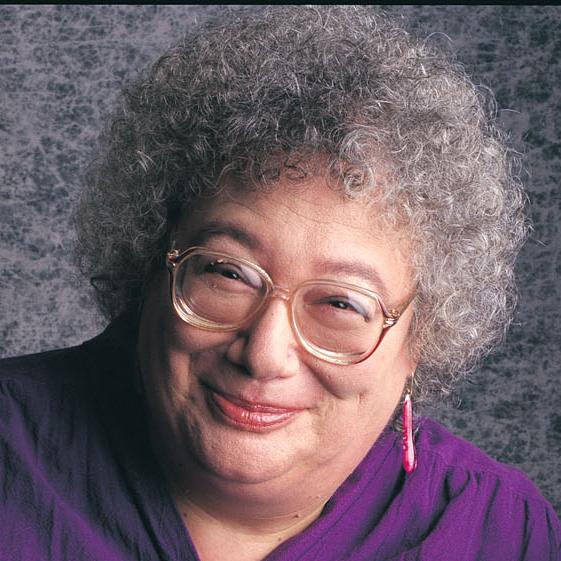
Ann Rabson (* 12. April 1945 in New York City; † 30. Januar 2013 in Fredericksburg, Virginia[1][2][3]) war eine US-amerikanische Blues-Pianistin, Sängerin und Gitarristin.
Leben
Bereits als Kind war sie dem Blues verfallen, nachdem sie zum ersten Mal eine Platte von Big Bill Broonzy gehört hatte. Mit 17 Jahren erhielt sie von ihrem Vater eine Gitarre und spielte seitdem als Berufsmusikerin. Mit dem Klavierspielen begann sie erst mit 35 Jahren, erreichte aber bald ein solches Niveau, dass sie in die Boogie Woogie Hall of Fame aufgenommen wurde. Für Aufnahmen von Jimmy Rogers,Robert Jr. Lockwood, Hubert Sumlin, Bob Margolin, Francine Reed, Carey Bell, Cephas and Wiggins, Johnny Shines, Levon Helm, John Jackson und Snooky Pryor spielte sie Klavier. Sie trat sowohl solo als auch als Mitglied verschiedenster Bands auf und war 25 Jahre Mitglied von Saffire—The Uppity Blues Women. Nach der Auflösung der Band Ende 2009 trat sie vermehrt solistisch auf.
Nach langer Krankheit verstarb Rabson am 30. Januar 2013 an Krebs. Sie hinterlässt ihren Ehemann George Newman, ihre Tochter und eine Enkeltochter.
Auszeichnungen
Blues Music Award Nominierung Music Makin' Mama als Album of the Year in der Kategorie Traditional Blues und Acoustic Blues, Elevator Man als Song of the Year
Blues Music Award, achtmal Nominierung als Traditional Blues Female Artist of the Year
Ann Rabson (April 12, 1945 – January 30, 2013)[1][2] was an American blues vocalist, pianist and guitar player. She was a solo recording artist signed to Alligator Records and was a member of Saffire - The Uppity Blues Women, an acoustic blues band that disbanded amicably in 2009.
Life
Born in New York City in 1945, Rabson had been playing and singing the blues professionally since 1962. She also performed as a solo act and with various other bands.[1]
She had been nominated eight times for a Blues Music Award (formerly W.C. Handy Award) as Traditional Blues Female Artist of the Year.[3] Her first solo album, Music Makin' Mama, was nominated as Album of the Year in both the Traditional Blues and Acoustic Blues categories, and her composition "Elevator Man" was nominated as Song of the Year.
Rabson's second solo album, Struttin' My Stuff, was released by M.C. Records in September 2000.[1] Her joint album with Bob Margolin, Not Alone, won a Blues Music Award in 2013 in the 'Acoustic Album' category.[4]
Rabson died on January 30, 2013, in Fredericksburg, Virginia, after a long battle with cancer. She was 67.
Mance Lipscomb +30.01.1976

Mance Lipscomb, eigentlich Bowdie Glenn Lipscomb (* 9. April 1895 bei Navasota, Texas; † 30. Januar 1976 in Navasota, Texas), war ein einflussreicher Bluessänger und -gitarrist.
Leben
Das Leben Mance Lipscombs ist, anders als das vieler seiner Zeitgenossen wie Blind Blake und Blind Willie McTell, sehr gut dokumentiert. Lipscomb wirkte an einer Reihe von Blues-Dokumentationen mit, darunter an dem ihm als Hauptperson gewidmeten Dokumentarfilm A Well Spent Life aus dem Jahre 1970.
Geboren als Sohn eines Ex-Sklaven aus Alabama und einer Mutter halbindianischer Abstammung, gab Lipscomb sich bereits als Jugendlicher selbst den Namen „Mance“ (nach dem Freund seines ältesten Bruders Charlie), der als Abkürzung für „emancipation“ (aus lat. emancipare = einen Sklaven oder erwachsenen Sohn in die Eigenständigkeit entlassen) zu verstehen ist.
Mance Lipscomb wuchs in einem musikalischen Umfeld auf; sein Vater war Fiddler, ein Onkel spielte Banjo und seine Brüder Gitarre. Mit elf Jahren bekam er selbst eine Gitarre geschenkt und begleitete bald seinen Vater. Später trat er allein als Unterhaltungsmusiker auf. In der Folge hatte er Kontakt zu berühmten Musikern wie den Bluesinterpreten Blind Lemon Jefferson, Blind Willie Johnson oder dem Country-Sänger Jimmy Rodgers. Dennoch nahm er nie eine Gelegenheit wahr, selbst Musikaufnahmen zu machen.
Lipscomb verdiente seinen Lebensunterhalt seit seiner Jugend fast ununterbrochen als Sharecropper in Texas. 1905–1956 arbeitete er für verschiedene Grundeigentümer in der Gegend seiner Heimat. 1956–1958 lebte er in Houston, wo er in einem Holzunternehmen tätig war. Hier spielte er auch zusammen mit dem Bluesmusiker Lightnin' Hopkins. Nach einem Arbeitsunfall kehrte Lipscomb wieder in seine Heimatgegend zurück, wo er sich ein eigenes Haus und etwas Land kaufen konnte. 1960 wurde er während des damaligen Country-Blues-Revivals von Mack McCormick und Chris Strachwitz ‚entdeckt‘ und nutzte die Gelegenheit zu Schallplattenaufnahmen. In der Folge trat er auch vor größerem Publikum auf, so etwa 1961 beim Berkeley Folk Festival vor über 40.000 Zuschauern.
Trotz seiner Bekanntheit in den 1960er und frühen 1970er Jahren starb Mance Lipscomb 1976 arm in seiner Heimatstadt Navasota zwei Jahre nach einem schweren Schlaganfall. Mance Lipscomb und seine Frau Elnora hatten einen leiblichen Sohn, Mance Lipscomb Jr., und drei adoptierte Kinder.
Werk
Mance Lipscomb gilt als Vertreter des Country-Blues. Er stand in der Tradition der populären Sänger des 19. Jahrhunderts, die eine große Bandbreite an musikalischen Stilen aufwiesen und neben Blues auch Folk, Ragtime, Gospel und Musik aus anderen schwarzen und weißen Musikgenres interpretierten. Lipscomb verfügte über ein solches Repertoire, bestehend aus rund 350 Liedern aus zwei Jahrhunderten, und er beharrte deshalb darauf, dass man ihn als „songster“ wahrnehme und nicht als Bluessänger oder als Gitarristen.
Lipscombs Musik ist auf einer Vielzahl von Langspielplatten und CDs zu hören, vor allem auf Strachwitz' Label Arhoolie Records. Da Lipscomb neben seiner eigentlichen Beschäftigung als Farmer seine Stimme und sein Gitarrespiel sein ganzes Leben lang geübt hatte, beherrschte er auch noch in hohem Alter die komplizierte Fingerpicking-Gitarrentechnik; seine ausdrucksstarke Stimme passte außerdem hervorragend zu seinem neben Blues vor allem aus Traditionals aus der Vor-Blues-Zeit bestehenden Songmaterial.
Sein Song Baby, Let Me Lay It On You wurde von den Folksängern Eric Von Schmidt und Bob Dylan nach einem Auftritt Lipscombs in New York aufgegriffen und als Baby, Let Me Follow You Down neu interpretiert. Einer von Lipscombs besten Songs, Sugar Babe, war das erste Lied, das er auf der Gitarre zu spielen lernte. Zu Lipscombs Repertoire gehörten auch Country-Blues-Versionen der Schlager Shine On, Harvest Moon und It's a Long Way to Tipperary sowie zahlreiche Evergreens aus dem Bluesgenre.
Lipscomb war bekannt für seine ausführlichen Erinnerungen und Ausführungen zum Thema „Musik und das Leben“. Aufzeichnungen hiervon existieren sowohl auf Band als auch schriftlich und sind in der „Mance Lipscomb – Glenn Myers“-Sammlung im Center for American History an der University of Texas in Austin dokumentiert.
Ehrungen
Im Jahr 2005 hat der Bundesstaat Texas Lipscombs Heimatstadt Navasota zu Ehren ihres verstorbenen Sohns den Titel The Blues Capital of Texas verliehen.
Mance Lipscomb (April 9, 1895 – January 30, 1976)[1] was an American blues singer, guitarist and songster. Born Beau De Glen Lipscomb near Navasota, Texas, United States, he as a youth took the name of 'Mance' from a friend of his oldest brother Charlie ("Mance" being short for emancipation).
Biography
Lipscomb was born April 9, 1895 to an ex-slave father from Alabama and a half Native American (Choctaw) mother.[2][3] Lipscomb spent most of his life working as a tenant farmer in Texas and was "discovered" and recorded by Mack McCormick and Chris Strachwitz in 1960 during the country blues revival. He released many albums of blues, ragtime, Tin Pan Alley and folk music (most of them on Strachwitz' Arhoolie label),[1] singing and accompanying himself on acoustic guitar. He had a "dead-thumb" finger-picking guitar technique, and an expressive voice. Lipscomb often honed his skills by playing in nearby Brenham, Texas, with a blind musician, Sam Rogers. His debut release was Texas Songster (1960). Lipscomb performed old songs like "Sugar Babe," the first song he ever learned, to pop numbers like "Shine On, Harvest Moon" and "It's a Long Way to Tipperary".[4]
Trouble in Mind was recorded in 1961 and released by Reprise Records.[5] In May 1963, Lipscomb appeared at the first Monterey Folk Festival in California.[6]
Unlike many of his contemporaries, he did not record in the early blues era, but his life is well documented thanks to his autobiography, I Say Me for a Parable: The Oral Autobiography of Mance Lipscomb, Texas Bluesman, narrated to Glen Alyn, which was published posthumously, and also a short 1971 documentary by Les Blank, A Well Spent Life.[1]
He began playing guitar early on and played regularly for years at local gatherings, mostly what he called "Saturday Night Suppers" hosted by someone in the area. These gatherings were hosted regularly for a while by himself and his wife. The majority of his musical activity took place within what he called his "precinct", meaning the local area around Navasota, until around 1960.
Following his "discovery" by McCormick and Strachwitz, Lipscomb became an important figure in the folk music revival of the 1960s. He was a regular performer at folk festivals and folk-blues clubs around the United States, notably the Ash Grove in Los Angeles, CA.
He died in Navasota in 1976, two years after suffering a stroke.
Film
A Well Spent Life (1971). Documentary directed by Les Blank and Skip Gerson. El Cerrito, California: Flower Films. Released on video in 1979. ISBN 0-933621-09-4.
He also appeared in Blank's The Blues Accordin' to Lightnin' Hopkins (1970)
Honors
An annual Navasota Blues Festival is held in his honor, and on August 12, 2011, a bronze sculpture of him was unveiled in Mance Lipscomb Park in Navasota. The statue was sculpted by artist Sid Henderson of California and weighs almost 300 pounds. It portrays Lipscomb playing his guitar whilst seated on a bench, with room for fans to sit beside him and play their own guitars "with" him.
Professor Longhair +30.01.1980

Professor Longhair
Professor Longhair, eigentlich Henry Roeland Byrd (* 19. Dezember 1918 in Bogalusa, Louisiana; † 30. Januar 1980 in New Orleans, Louisiana), war ein US-amerikanischer Musiker, der als Sänger, Komponist und Pianist dem Rhythm and Blues New Orleans' besonders in dessen früher Phase Impulse gab und darüber hinaus einige Klassiker des Mardi Gras verfasste, die bis zum heutigen Tage zum Standardprogramm des dortigen Karnevals gehören. Er prägte Rock 'n' Roll, Soul, Funk und Ska, indem er jüngere Musiker aus New Orleans wie z. B. Fats Domino, Huey „Piano“ Smith, Allen Toussaint, die Meters und die jamaikanischen Gründerväter der dortigen Schallplattenindustrie Duke Reid und Coxsone Dodd beeinflusste. Nach seiner Wiederentdeckung inspirierte Professor Longhair Musiker wie Dr. John, Allen Toussaint oder die Neville Brothers; Paul McCartney gehört zu seinen erklärten Bewunderern.
Biographie
Frühe Jahre
Seit seinem zweiten Lebensjahr lebte der später „Professor Longhair“ oder „Fess“ genannte Musiker in New Orleans. Seine Mutter Ella Mae Byrd spielte selbst in Jazz-Bands das Piano und förderte schon früh das musikalische Talente ihres Sohnes. Geld verdiente sich Henry als Jugendlicher mit Straßen-Stepptanz sowie mit einem Werbesong für Schlangenöl-Medizin. Sein erstes Klavier fand er angeblich im Sperrmüll, diverse Tasten fehlten, was Henry nicht vom Spielen abhielt. Später arbeitete er als Koch, kurzzeitig auch als Boxer, und immer wieder betätigte er sich als Kartenspieler. Um 1937 fand er als Pianist und Gitarrist erstmals ein größeres Publikum: er spielte vor Kollegen, die mit ihm in Arbeitsbeschaffungsprogrammen der Regierung Roosevelt arbeiteten. Beeinflusst war sein Spiel damals auch vom Boogie-Woogie des kreolischen New Orleans-Musikers Tuts Washington (1907–1984).
Erfolge
Longhair diente im Zweiten Weltkrieg bis zum Jahr 1943. Ab 1947/48 nahm seine Laufbahn als Profi-Musiker Konturen an: er trat im örtlichen Caledonia Club auf und erhielt dort auch seinen Künstlernamen. Seine Band „Professor Longhair and the Four Hairs“ verdrängte die Combo des Bandleaders Dave Bartholomew, mit dem auch der später so erfolgreiche Fats Domino auftrat. 1949 nahm Longhair dann seine ersten Schallplatten auf, unter anderem vier Stücke für das Star Talent-Label, darunter das legendäre Mardi Gras in New Orleans. Seine Begleitband nannte sich damals aus unerfindlichen Gründen The Shuffling Hungarians. In die Rhythm-&-Blues-Charts kam Longhair allerdings erst 1950 als Roy Byrd & his Blues Jumpers mit dem Hit Bald Head, der auf Platz 5 landete. Die Platte erschien bei Mercury Records und sollte Longhairs einziger nationaler Chart-Hit bleiben.
In New Orleans und in Louisiana wurde Fess aber schnell zu einer Musikgröße. Sein „Mambo-Rumba-Boogie-Stil“ beeinflusste alle Mardi Gras-Klavierspieler, die nach ihm kamen. Dabei spielte der Professor mit einer Hand Boogie-Woogie Bassläufe, synkopierte mit der anderen und sang dazu in seinem unverkennbaren Stil, der auch Elvis Presley inspiriert haben soll. In seiner Musik waren, neben den Rhythmen der Karnevalsparaden und des Zydeco, auch karibische Einflüsse - wie Calypso-Anklänge - zu bemerken; einige von Longhairs Vorfahren stammten von den Westindischen Inseln.
1953 nahm Longhair seinen unvergessenen Titel Tipitina auf. Seit 1977 nennt sich auch ein bekannter Nachtclub in New Orleans nach dem Song. Longhair arbeitete inzwischen für das Plattenlabel Atlantic, wo Kenner populärer Musik wie Jerry Wexler und Ahmet Ertegün produzierten und komponierten. 1959 spielte Professor Longhair nochmals seine Nummer Mardi Gras ein. Es ist diese Version des Songs, die seither regelmäßig beim Karneval in New Orleans erklingt, die „definitive“ Fassung also. 1964/65 wurde eine aufwändige Produktion des Songs Big Chief angeschoben, danach ging es für Fess aber einige Jahre bergab: er musste als Hausmeister arbeiten, fegte - bittere Ironie - Plattenläden aus oder versuchte sich wieder beim Kartenspiel. Zudem verlor er eines seiner Kinder durch ein Gewaltverbrechen.
Wiederentdeckung
Junge R&B-Fans entdeckten den verarmten und teilweise vergessenen Longhair jedoch Anfang der 1970er neu, Fess trat 1971 beim größten Musikfestival des Bundesstaates, dem Jazz & Heritage Festival auf und wurde enthusiastisch gefeiert. 1973 war Longhair zu Gast beim Montreux Jazz Festival. 1975 trat er bei einer privaten Party des Ex-Beatle Paul McCartney an Bord der alten RMS Queen Mary auf. Ab 1977 hatte Longhair endlich in dem erwähnten Nachtclub wieder einen regulären Auftrittsort, Bekanntheiten wie Robbie Robertson und Robert Plant besuchten seine Vorstellungen. 1978 ging Fess auf seine erste Europa-Tour, 1979 auf eine US-Tournee; sogar ein Auftritt im Vorprogramm der Punkband The Clash war geplant.
1979 bekam Professor Longhair zum ersten Mal in seinem Leben freie Hand bei der Produktion eines eigenen Albums. Außerdem wurde ein Dokumentarfilm über ihn gedreht. Longhair starb vor Fertigstellung des Streifens, genau einen Tag vor der Veröffentlichung seines neuen Albums Crawfish Fiesta (Alligator Records). Das Album wurde mit dem W. C. Handy Preis 1980 für das beste zeitgenössische Bluesalbum ausgezeichnet und im Jahr darauf das Album "The London Concert".
Im November 1981 wurde er in die Blues Hall of Fame, im Januar 1992 in die Rock and Roll Hall of Fame aufgenommen. Für die Wiederveröffentlichung seiner frühen Atlantic-Aufnahmen bekam er 1987 postum einen Grammy verliehen. Dank Verwendung seiner Songs in internationalen TV-Werbespots ist die Musik Professor Longhairs heute vielleicht präsenter, als sie es zu seinen Lebzeiten je war.
Die Sessions
Die Musik Professor Longhairs lebte im Wesentlichen in Live-Auftritten. Studioaufnahmen des Professors waren vergleichsweise selten und litten in mehrerlei Hinsicht an einem erheblichen Mangel an Kontinuität.
Seit 1949 spielte Professor Longhair für eine Reihe von Labels Aufnahmen ein, von denen nur einzelne zeitnah veröffentlicht wurden. Eine Reihe von Aufnahmen wurden gar nicht, andere erst Jahre oder gar Jahrzehnte später veröffentlicht.
Viele Aufnahmen Longhairs wurden insbesondere in den frühen 1950er-Jahren unter verschiedenen Namen veröffentlicht. Die Notwendigkeit, einen abweichenden Namen für eine Veröffentlichung zu wählen, beruhte zumeist auf vertraglichen Gründen. So wurden beispielsweise einige Mercury-Aufnahmen aus dem Frühjahr 1950 zu einer Zeit eingespielt und veröffentlicht, als Professor Longhair (unter diesem Namen) einen Exklusivvertrag mit dem kleinen Label Star Talent hatte. Um einen Konflikt mit Star Talent zu vermeiden, veröffentlichte Mercury die Aufnahmen unter dem Namen Roy Byrd And His Blues Jumpers. Ähnlich verhielt es sich mit den (wenigen) Aufnahmen für das kleine Wasco-Label aus Memphis, Tennessee, aus dem Herbst 1950, für die Professor Longhair den Namen Robert Boyd erhielt.
In musikalischer Hinsicht wiederholen sich viele von Longhairs Themen über die Jahrzehnte hinweg. Viele Lieder wurden immer wieder neu eingespielt. Sie unterschieden sich wesentlich im Arrangement, gelegentlich erhielten sie auch andere Bezeichnungen. Mardi Gras in New Orleans etwa spielte Professor Longhair zwischen 1949 und 1978 in mindestens sieben verschiedenen Versionen ein. In einem direkten Vergleich der unterschiedlichen Versionen eines Liedes lässt sich die musikalische Entwicklung Longhairs gut nachverfolgen.
Einige Lieder wurden im Laufe der Jahre mit unterschiedlichen Bezeichnungen eingespielt. Der Klassiker Got My Mojo Working hieß auf Longhairs letztem Album "Crawfish Fiesta" beispielsweise Got My Red Beans Cooking, und das Instrumentalstück 501 Stomp wurde auf einigen Einspielungen auch als Longhair Stomp oder Stompin’ with Fess bezeichnet.
The music journalist Tony Russell, in his book The Blues – From Robert Johnson to Robert Cray, stated "The vivacious rhumba-rhythmed piano blues and choked singing typical of Fess were too weird to sell millions of records; he had to be content with siring musical offspring who were simple enough to manage that, like Fats Domino or Huey "Piano" Smith. But he is also acknowledged as a father figure by subtler players like Allen Toussaint and Dr. John."[1][2]
Biography
Professor Longhair's House 2010
Professor Longhair was born on December 19, 1918 in Bogalusa, Louisiana.[1] His distinctive style was the result of learning to play piano on an instrument that was missing some keys.[1]
He began his career in New Orleans in 1948. Mike Tessitore, owner of the Caldonia Club, gave Longhair his stage name.[3] Longhair first recorded in a band called the Shuffling Hungarians in 1949, creating four songs (including the first version of his signature song, "Mardi Gras in New Orleans") for the Star Talent record label. Union problems curtailed their release, but Longhair's next effort for Mercury Records the same year was a winner.[3] Throughout the 1950s, he recorded for Atlantic Records, Federal Records and other, local, labels. Professor Longhair had only one national commercial hit, "Bald Head" in 1950, under the name Roy Byrd and His Blues Jumpers.[3] He also recorded his favorites, "Tipitina" and "Go to the Mardi Gras".[1] However, he lacked crossover appeal for white audiences.[1]
After suffering a stroke, Professor Longhair recorded "No Buts - No Maybes" in 1957.[3] He re-recorded "Go to the Mardi Gras" in 1959.[3]
He first recorded "Big Chief" with its composer Earl King in 1964. In the 1960s, Professor Longhair's career faltered.[1] He became a janitor to support himself, and fell into a gambling habit.[4]
He appeared at the New Orleans Jazz and Heritage Festival in 1971 and at the Newport Jazz Festival and the Montreux Jazz Festival in 1973.[1] His album The London Concert showcases work he did on a visit to the United Kingdom.
By the 1980s his albums, such as Crawfish Fiesta on Alligator and New Orleans Piano for Atlantic, had become readily available across America.[4] He appeared on the PBS series Soundstage (with Dr. John, Earl King, and The Meters) and co-starred in the film documentary Piano Players Rarely Ever Play Together.[3] Longhair died of a heart attack while filming was underway.[3][4] Footage from his funeral was included.[3]
In 1981, he was inducted into the Blues Hall of Fame. He was awarded a posthumous Grammy for his early recordings released as House Party New Orleans Style, and in 1992 was inducted into the Rock and Roll Hall of Fame.[5]
The B side of the 1985 Paul McCartney single 'Spies Like Us', entitled 'My Carnival', credited to Paul McCartney and Wings, was recorded in New Orleans and dedicated to Professor Longhair.
Fess's song "Tipitina" was covered by Hugh Laurie on the 2011 CD album "Let Them Talk". Laurie is a long-time fan, having used Fess's "Go to the Mardi Gras" as the theme for the pilot episode of A Bit of Fry & Laurie.
Afro-Cuban elements
In the 1940s, Professor Longhair was playing with Caribbean musicians, listening a lot to Perez Prado's mambo records, and absorbing and experimenting with it all.[6] He was especially enamored with Cuban music. Longhair's style was known locally as rumba-boogie.[7] Alexander Stewart states that Longhair was a key figure bridging the worlds of boogie-woogie and the new style of rhythm and blues."[8] In his composition "Misery," Professor Longhair plays a habanera-like figure in his left hand. The deft use of triplets in the right hand is a characteristic of Longhair's style.
Tresillo, the habanera, and related African-based single-celled figures have long been heard in the left hand part of piano compositions by New Orleans musicians, for example—Louis Moreau Gottschalk ("Souvenirs From Havana" 1859), and Jelly Roll Morton ("The Crave" 1910). One of Longhair's great contributions was the adaptation of Afro-Cuban two-celled, clave-based patterns in New Orleans blues. Michael Campbell states: "Rhythm and blues influenced by Afro-Cuban music first surfaced in New Orleans. Professor Longhair's influence was ... far reaching. In several of his early recordings, Professor Longhair blended Afro-Cuban rhythms with rhythm and blues. The most explicit is 'Longhair's Blues Rhumba,' where he overlays a straightforward blues with a clave rhythm."[9] The guajeo-like piano part for the rumba-boogie "Mardi Gras in New Orleans" (1949), employs the 2-3 clave onbeat/offbeat motif.[10] The 2-3 clave time-line is written above the piano excerpt for reference.
According to Dr. John (Malcolm John "Mac" Rebennack, Jr.), the Professor "put funk into music ... Longhair's thing had a direct bearing I'd say on a large portion of the funk music that evolved in New Orleans."[11] This is the syncopated, but straight subdivision feel of Cuban music (as opposed to swung subdivisions). Alexander Stewart states that the popular feel was passed along from "New Orleans—through James Brown's music, to the popular music of the 1970s," adding: "The singular style of rhythm & blues that emerged from New Orleans in the years after World War II played an important role in the development of funk. In a related development, the underlying rhythms of American popular music underwent a basic, yet generally unacknowledged transition from triplet or shuffle feel to even or straight eighth notes.[12] Concerning funk motifs, Stewart states: "This model, it should be noted, is different from a time line (such as clave and tresillo) in that it is not an exact pattern, but more of a loose organizing principle."